


Vietnam runs long and narrow along the South China Sea, which means a proper trip through the country is really a journey from one end to the other — misty mountains and a historic old quarter in the north, imperial history in the center, and a fast-paced, modern metropolis in the south. This Vietnam travel guide covers that full north-to-south route, along with when to go and how to get between each stop.

Why Travel Vietnam North to South (or Vice Versa)
Vietnam’s shape makes a linear itinerary the natural choice — rather than backtracking, most travelers fly into one end of the country and out the other, covering Hanoi, central Vietnam, and Ho Chi Minh City in a single directional sweep. This Vietnam travel guide follows that structure, though it works equally well reversed depending on your international flight connections.
Hanoi: 2-3 Days
Vietnam’s capital blends a chaotic, motorbike-filled Old Quarter with French colonial architecture and a genuinely excellent street food scene.
What to see:
- The Old Quarter — best explored on foot, with each street historically tied to a specific trade or craft
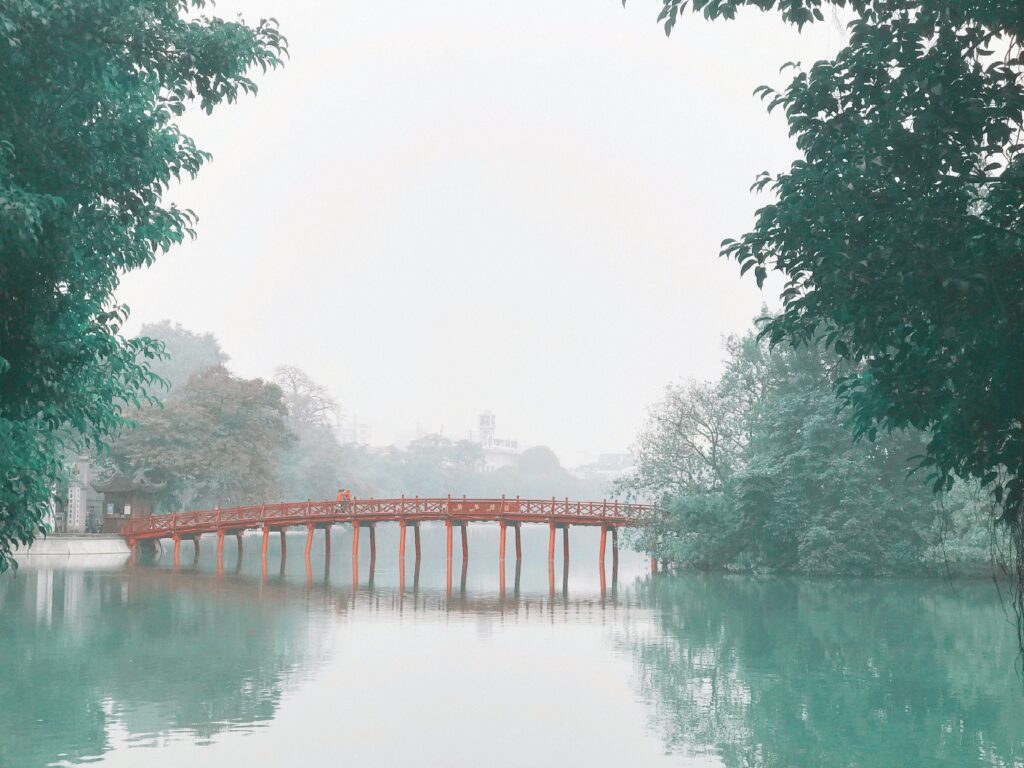
- Hoan Kiem Lake — a calm center point, especially atmospheric at sunrise when locals gather for tai chi
- Ho Chi Minh Mausoleum and the Temple of Literature — Vietnam’s most significant historical and political sites
- Egg coffee and bun cha — two Hanoi specialties worth seeking out specifically, the latter made famous internationally after a well-known presidential visit
- A water puppet show — a traditional Vietnamese art form dating back centuries, still performed regularly in the city
Halong Bay: 1-2 Days
A few hours east of Hanoi, Halong Bay’s dramatic limestone karsts rising out of emerald water make it one of the most photographed landscapes in Southeast Asia.
How to visit: An overnight boat cruise is the standard way to experience the bay, typically including kayaking, cave visits, and a sunset or sunrise view from the deck. Day trips are possible but rushed — an overnight cruise is worth the extra time if your schedule allows it.
Hoi An: 2-3 Days
Central Vietnam’s standout stop is this beautifully preserved trading port town, known for its lantern-lit old town and a UNESCO World Heritage designation protecting its historic character.
What to see:
- The Ancient Town — best explored on foot or by bicycle, especially magical in the evening when lanterns light up the streets
- Tailor-made clothing — Hoi An is famous for custom tailoring, often completed within 24-48 hours
- An Bang Beach — a relaxed beach a short ride from the old town, good for a half-day break from sightseeing
- My Son Sanctuary — a day trip to ancient Cham temple ruins set in a jungle valley, a UNESCO site with a very different character from Vietnam’s more famous northern landmarks

Ho Chi Minh City: 2-3 Days
Formerly Saigon, Vietnam’s largest city is fast, modern, and a striking contrast to Hanoi’s older, quieter pace.
What to see:
- The War Remnants Museum — a sobering, essential stop for understanding Vietnam’s twentieth-century history
- The Cu Chi Tunnels — an extensive underground tunnel network used during the war, located a couple of hours outside the city and typically visited as a half-day tour
- Ben Thanh Market — a central market good for souvenirs, street food, and a sense of the city’s everyday commerce
- Rooftop bars and modern cafés — a reflection of the city’s fast-growing, increasingly cosmopolitan side

The Mekong Delta: Optional 1-2 Days
A short trip from Ho Chi Minh City brings you to the Mekong Delta, where floating markets, river life, and lush countryside offer a genuinely different pace from the cities. A one or two-day tour, including a boat trip through the canals, is the most common way to experience it.
Suggested 12-Day Itinerary
| Days | Location | Focus |
|---|---|---|
| 1-3 | Hanoi | Old Quarter, food, water puppets |
| 4-5 | Halong Bay | Overnight cruise |
| 6-8 | Hoi An | Ancient Town, tailoring, My Son |
| 9-11 | Ho Chi Minh City | War history, Cu Chi Tunnels, markets |
| 12 | Mekong Delta | Day trip before departure |
Getting Around
- Domestic flights connect Hanoi, Da Nang (the nearest airport to Hoi An), and Ho Chi Minh City in one to two hours each, and are the most time-efficient way to cover the country’s length.
- The Reunification Express train runs the full length of the country and is a genuine experience in itself for travelers with more time, though it takes considerably longer than flying.
- Within cities, taxis and ride-hailing apps (Grab is widely used) are the most straightforward option for visitors unfamiliar with the traffic; motorbike rental is common among more experienced or longer-term travelers.
When to Go
Vietnam’s length means its climate genuinely differs by region at any given time, which is one of the more important things a Vietnam travel guide needs to flag clearly.
- Northern Vietnam (Hanoi, Halong Bay): Best from October to April, avoiding the hot, humid summer months. Winter (December–February) can be surprisingly chilly and overcast in Hanoi.
- Central Vietnam (Hoi An, Hue): Best from February to August, avoiding the heavy rain and occasional typhoon activity that affects the region from September to November.
- Southern Vietnam (Ho Chi Minh City, Mekong Delta): Follows a simpler wet/dry pattern, with December to April being the driest and most comfortable window.
For a trip covering the whole country, February to April offers the best overall compromise across all three regions.
Practical Tips
- Most nationalities need an e-visa, arranged online in advance — apply at least a couple of weeks before travel to avoid last-minute issues.
- Carry Vietnamese dong for smaller purchases, though cards are increasingly accepted in cities and larger establishments.
- Cross streets with confidence, not hesitation. Vietnam’s traffic, especially in Hanoi and Ho Chi Minh City, can be intimidating at first, but drivers generally expect pedestrians to move at a steady, predictable pace rather than stopping mid-crossing.
- Bargain at markets, but expect fixed prices at restaurants, cafés, and modern shops.
- Try regional specialties as you travel — pho and bun cha in the north, banh mi and cao lau in the center, and southern-style dishes with more herbs and sweetness in Ho Chi Minh City.
Frequently Asked Questions
How many days do you need for Vietnam? 12-14 days allows a comfortable pace covering Hanoi, Halong Bay, Hoi An, and Ho Chi Minh City. A shorter 8-10 day trip is workable if you focus on the north or south rather than the full length of the country.
Should I start my trip in Hanoi or Ho Chi Minh City? Either works well — it largely depends on your international flight connections. Starting in Hanoi and ending in Ho Chi Minh City (as this itinerary does) is slightly more common, but the reverse direction is equally practical.
Is Vietnam a budget-friendly destination? Yes — Vietnam remains one of the more affordable countries in Southeast Asia for food, accommodation, and local transport, making it popular with both backpackers and travelers looking for good value on a more comfortable trip.
Is an overnight Halong Bay cruise worth it over a day trip? Generally yes — a day trip involves a lot of travel time relative to time actually on the water, while an overnight cruise allows for a sunset or sunrise view, kayaking, and a more relaxed pace through the bay.
Planning more of your Asia trip? Check out our Southeast Asia backpacking itinerary or best time to visit Asia guide, and browse all our Asia travel guides for more.