


Figuring out whether you need a full US visa or just an ESTA is the first real planning step for any trip to the United States, and getting it wrong can mean a denied boarding at your home airport. This USA ESTA visa guide breaks down the Visa Waiver Program, the standard B-2 tourist visa, and a set of entry restrictions introduced in January 2026 that travelers from certain countries specifically need to know about.
This USA ESTA Visa Guide: The Two Main Paths
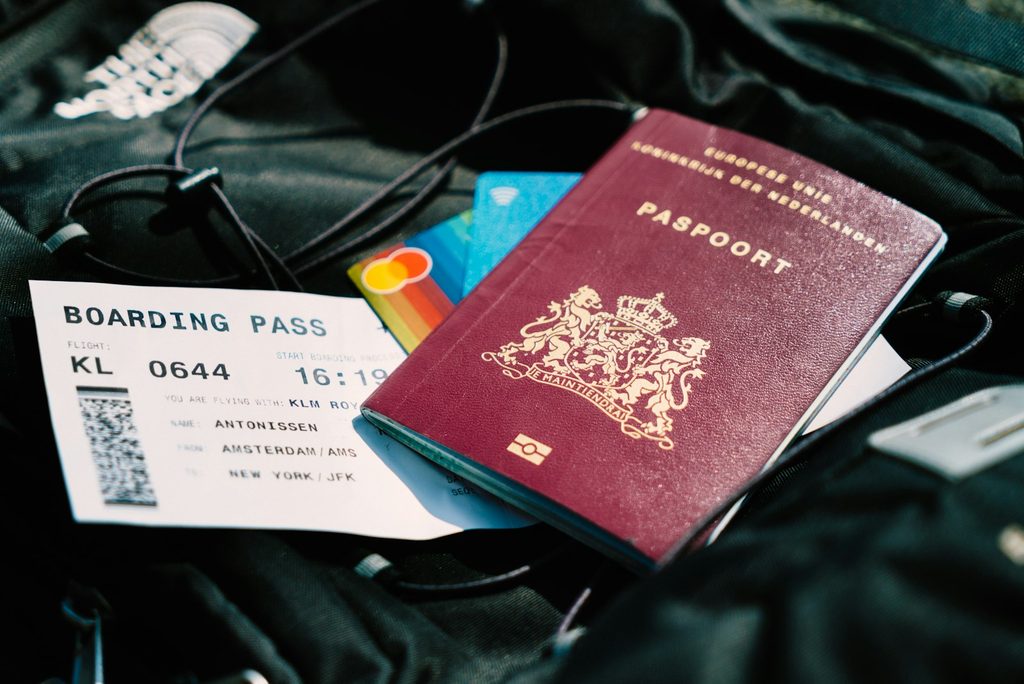
Nearly every tourist entering the United States goes through one of two paths: the Visa Waiver Program using an ESTA, for eligible nationalities, or a standard B-2 tourist visa for everyone else. Which one applies to you depends entirely on your passport, and the rules have genuinely changed as of early 2026, so checking current status matters even for travelers who’ve visited before.
What Is ESTA?
ESTA (the Electronic System for Travel Authorization) is an online screening system run by US Customs and Border Protection, used to pre-approve travelers from Visa Waiver Program countries before they fly. It’s important to understand that ESTA approval doesn’t guarantee entry on its own — a Customs and Border Protection officer still makes the final admissibility decision when you arrive.
Key ESTA facts:
- The application currently costs around $40, and approval is often issued within minutes to a day of submitting the online form.
- An approved ESTA is typically valid for two years (or until your passport expires, if sooner), covering multiple trips without needing to reapply each time.
- Each individual stay under the Visa Waiver Program is capped at 90 days.
- You need a valid e-Passport (one with an embedded electronic chip) to use the Visa Waiver Program at all — an older, non-chip passport isn’t eligible.
Roughly 40 countries currently participate in the Visa Waiver Program, though the exact list is worth double-checking on the official ESTA application site run by US Customs and Border Protection, given how often policy shifts.
What Is the B-2 Tourist Visa?
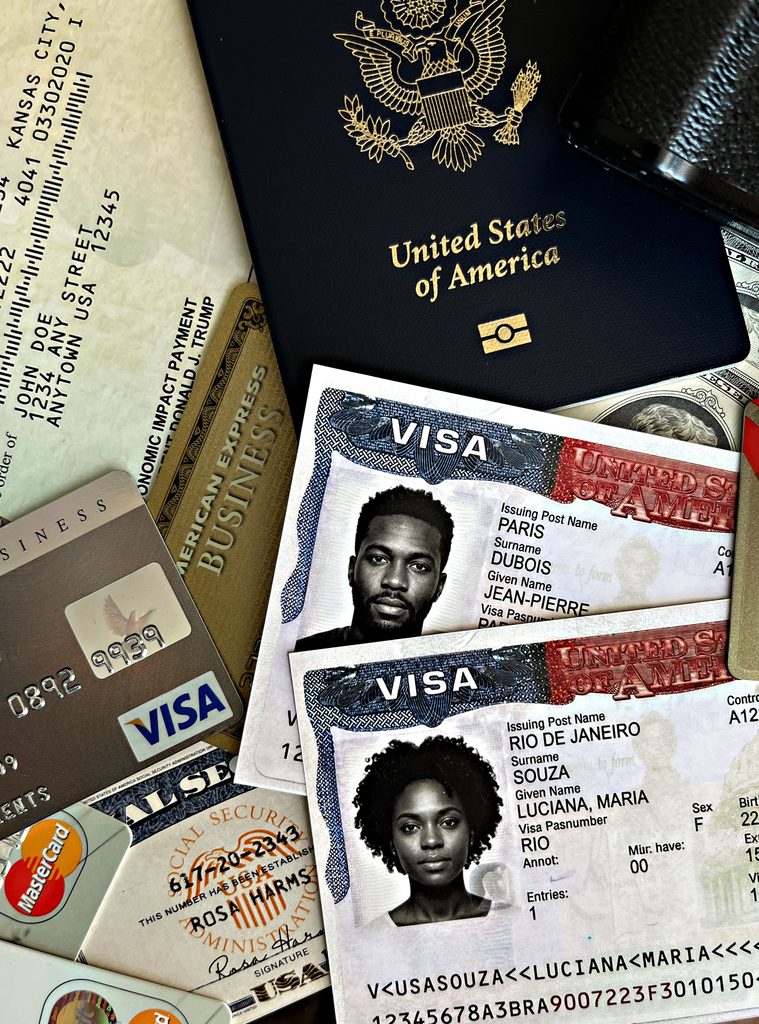
The B-2 visa covers tourism, family visits, and medical treatment for travelers whose nationality isn’t part of the Visa Waiver Program, and it allows a considerably longer stay — up to six months, with the possibility of an extension in some cases. Applying involves completing the DS-160 form online, paying a visa fee (commonly cited in the $185 range), and attending an in-person interview at a US embassy or consulate with your passport, a photo, and supporting documents.
Important: 2026 Entry Changes
A genuinely significant policy shift took effect at the start of 2026: nationals from a substantial number of countries — around 39 by recent counts — became fully or partially restricted from entering the US or receiving a new tourist visa, under a pair of presidential proclamations announced by the State Department. This is a real, current change rather than a minor technical update, and it means travelers from affected countries need to verify their specific status directly through official US government sources before making any booking decisions, rather than relying on older guidance or a previous successful trip.
Separately, and unrelated to the 2026 restrictions, Visa Waiver Program travelers who have visited certain higher-risk countries — including Iran, Iraq, Libya, North Korea, Somalia, Sudan, Syria, and Yemen — are not eligible to use ESTA and must instead apply for a standard visa through an embassy or consulate.
How to Apply for ESTA
- Apply as soon as you start planning your trip, ideally before purchasing airline tickets, rather than waiting until close to departure.
- Complete the online application with your passport details and answers to standard eligibility questions.
- Pay the application fee through the accepted online payment methods.
- Save your application number so you can check status afterward.
- Print or save a digital copy of your approval to have on hand for check-in and border entry.
How to Apply for a B-2 Tourist Visa
- Complete the DS-160 form online.
- Pay the visa application fee.
- Schedule and attend an interview at your nearest US embassy or consulate.
- Bring your passport, a passport photo, and any required supporting documents to the interview.
- Allow for processing time, which varies considerably by embassy location and time of year.
Common Mistakes to Avoid
- Assuming ESTA and a visa are interchangeable terms — they apply to different nationalities and carry different costs, validity periods, and application steps.
- Not checking the 2026 restricted-country list before booking, given how recent and significant this change is — relying on last year’s experience or general assumptions is a genuine risk right now.
- Submitting inaccurate ESTA information, even by accident — misspelled names, an incorrect passport number, or an inconsistent answer to a security question are common, avoidable reasons for denial.
- Overstaying, even briefly — this can affect eligibility for future ESTA approvals or visas, not just the current trip.
- Forgetting that Mexico, Canada, and adjacent islands count toward the 90-day Visa Waiver limit if visited during the same overall trip — the clock doesn’t reset just because you briefly left and re-entered the US.
Quick Reference
| Path | Who It’s For | Approximate Cost | Max Stay |
|---|---|---|---|
| ESTA | Visa Waiver Program countries (~40 nationalities) | ~$40 | 90 days per visit |
| B-2 Tourist Visa | All other eligible nationalities | ~$185 | Up to 6 months |
| Currently Restricted (2026) | Nationals of ~39 affected countries | N/A | Check current official status |
Frequently Asked Questions
Do I need a visa or just ESTA to visit the USA? It depends on your nationality — if your country participates in the Visa Waiver Program, ESTA covers tourism stays up to 90 days; if not, you’ll need to apply for a standard B-2 tourist visa instead.
How much does ESTA cost? The application fee is currently around $40, payable online as part of the application process.
How long is an approved ESTA valid? Generally two years, or until your passport expires if that happens sooner, and it covers multiple separate trips within that window.
Have US entry rules really changed in 2026? Yes — a set of restrictions affecting nationals of roughly 39 countries took effect at the start of 2026. This is a genuine, recent policy shift, so travelers from potentially affected countries should verify their current status directly through official channels before booking, rather than assuming past eligibility still applies.
Planning more of your North America trip? Check out our best time to visit North America guide, or browse all our North America travel guides for more.