
South Africa manages something few countries can: a genuinely world-class city, one of the best safari destinations on the continent, and a scenic coastal drive, all reachable within the same two-week trip. This South Africa travel guide covers the classic combination — Cape Town, Kruger National Park, and the Garden Route — along with how to string them together sensibly.
Why South Africa Works So Well for a First Trip
Unlike some African destinations that require multiple domestic flights and remote logistics, South Africa has excellent infrastructure: well-maintained highways, self-drive-friendly national parks, reliable domestic flights, and English widely spoken alongside Afrikaans and the country’s other official languages. That combination makes it one of the more approachable entry points into African travel, without sacrificing the wildlife and scenery that draw people to the continent in the first place.
Cape Town: Where Most Trips Begin
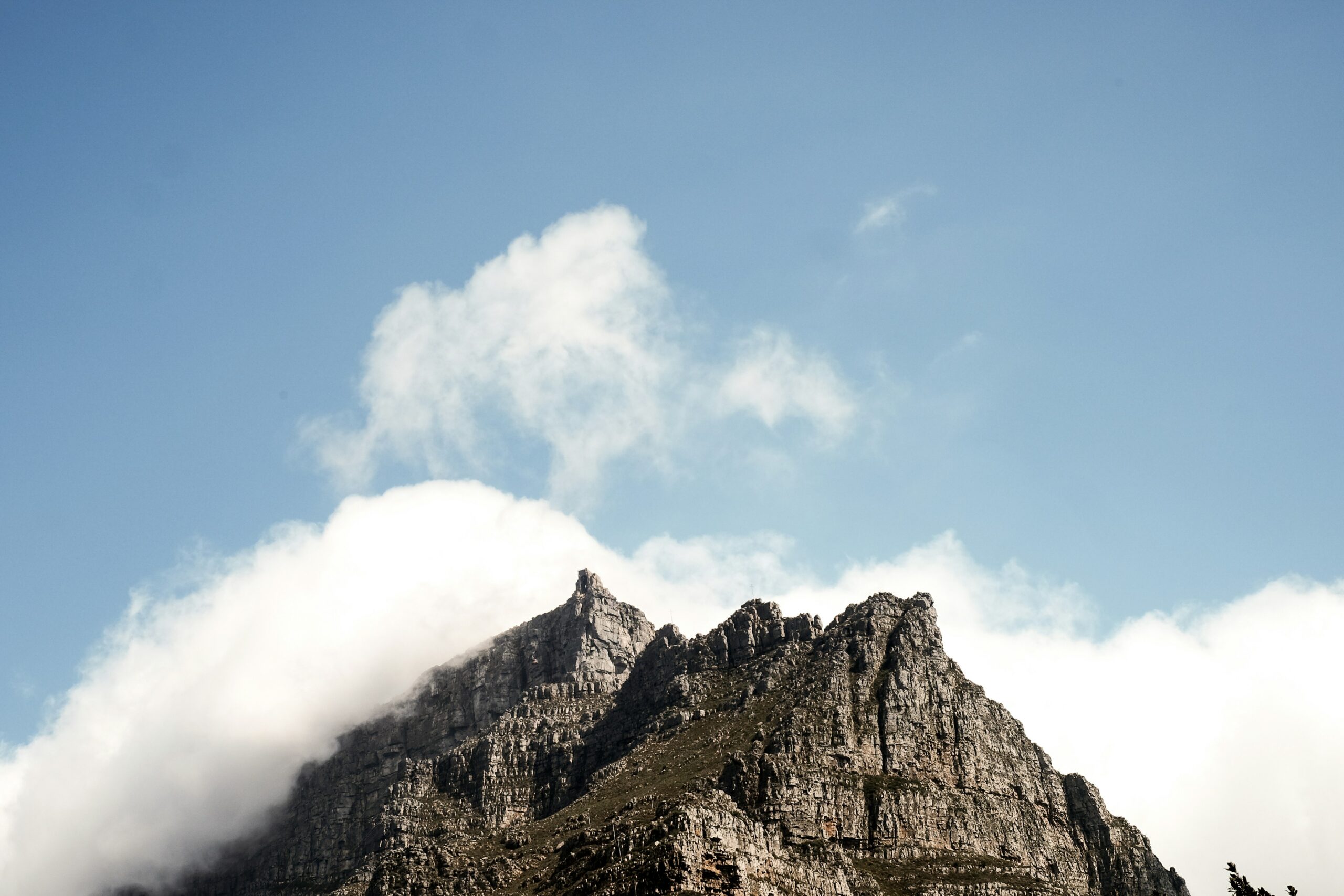
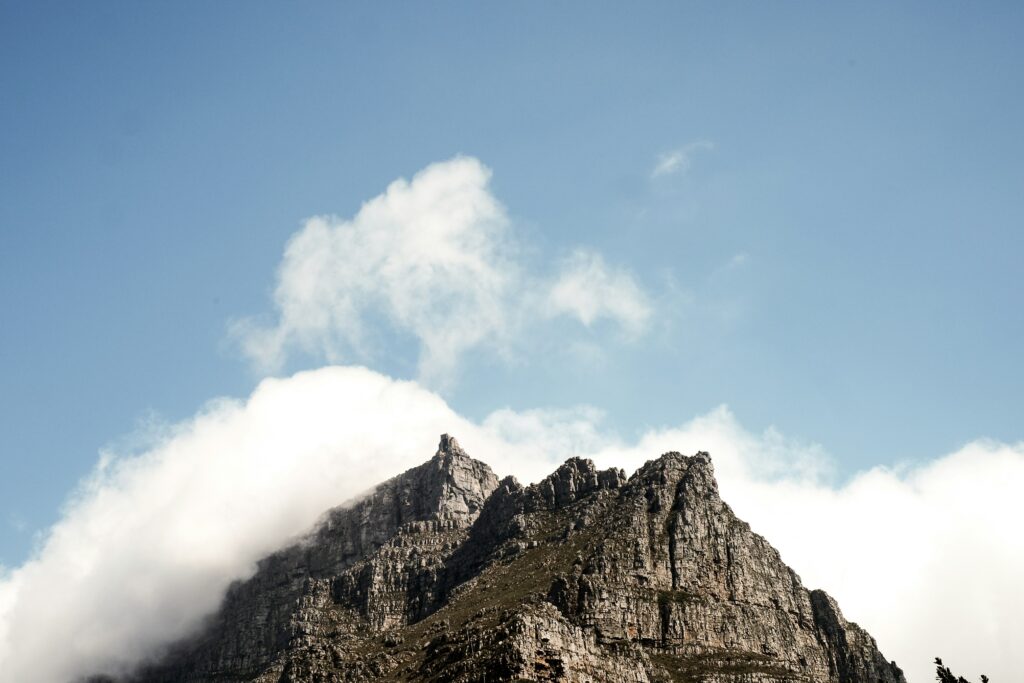
Cape Town regularly ranks among the world’s most beautiful cities, wedged between Table Mountain and the Atlantic coastline. Most itineraries in a South Africa travel guide start here, and three to four days is a reasonable amount of time to cover the highlights.
Must-see highlights:
- Table Mountain — take the cable car up (weather permitting) for panoramic views over the city and coastline
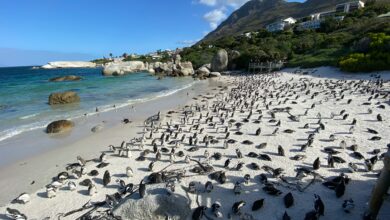
- Cape Point and the Cape of Good Hope — a scenic half-day trip along the peninsula, often combined with a stop at Boulders Beach to see the African penguin colony
- The V&A Waterfront — restaurants, shopping, and boat departures for Robben Island
- Robben Island — Nelson Mandela’s former prison, now a museum and one of the country’s most significant historical sites
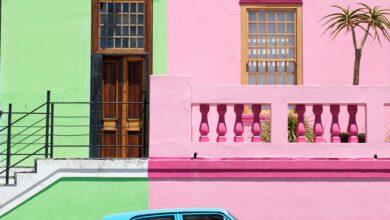
- Bo-Kaap — the colorful, historically Cape Malay neighborhood on the slopes of Signal Hill
Cape Winelands: A Short Detour
Just 45 minutes from Cape Town, the Cape Winelands around Stellenbosch, Franschhoek, and Paarl offer some of the best wine tourism in the Southern Hemisphere, set against dramatic mountain scenery. A day trip is enough to get a taste, though wine enthusiasts often extend this to two or three days with an overnight stay.
Kruger National Park: The Safari Leg
After Cape Town, most South Africa itineraries fly to the Kruger area (or drive, though it’s a long haul at around 16-19 hours from Cape Town, so flying is far more common). Kruger is one of the most accessible safari destinations in the world, and a defining feature of any complete South Africa travel guide.
Why Kruger stands out:
- Self-drive friendly — well-maintained roads and clear signage make it one of the few major African parks where a rental car works well, keeping costs significantly lower than fly-in safaris elsewhere
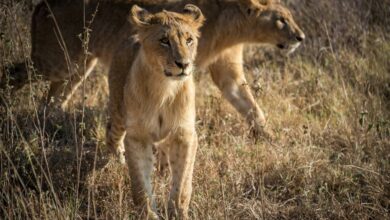
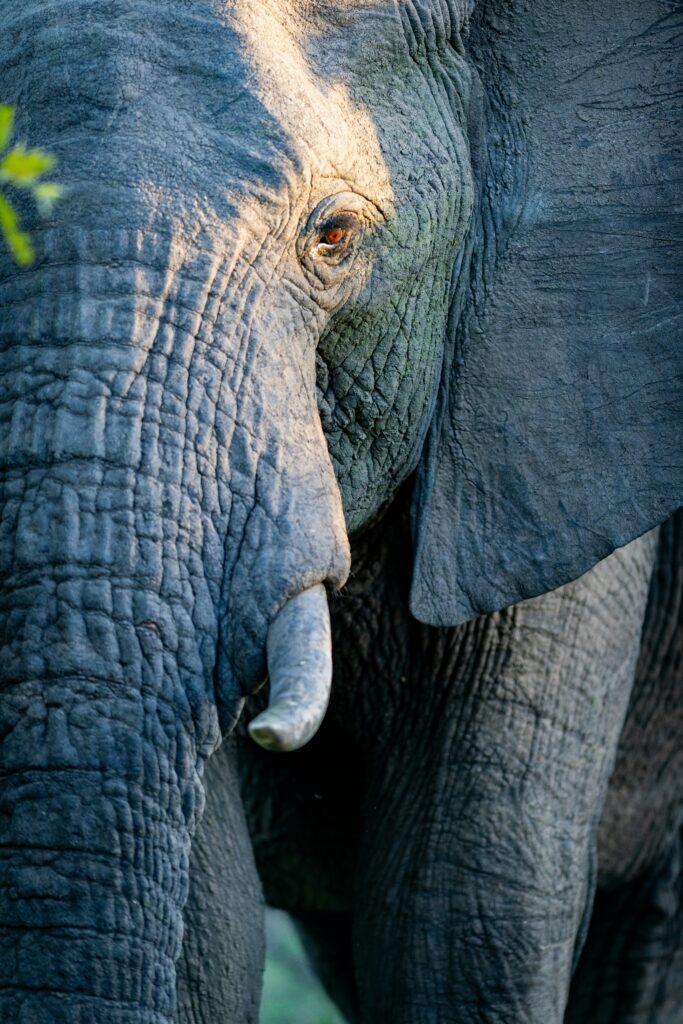
- All of the Big Five — lion, leopard, elephant, buffalo, and rhino are all present, with strong sighting odds particularly in the dry winter months (May-September)
- A range of accommodation — from budget public rest camps to high-end private lodges bordering the park
- Private reserves nearby — Sabi Sands and Timbavati, adjoining Kruger without fences, offer some of the best leopard sightings in Africa for travelers willing to pay for a more exclusive experience
Three to four nights is typical for a proper Kruger visit, enough time for multiple game drives across different areas of the park.
The Garden Route: A Scenic Coastal Drive
The Garden Route runs along South Africa’s southern coast between Cape Town and Port Elizabeth (Gqeberha), stringing together beaches, forests, and small towns over roughly 300 kilometers. It works well either as a standalone road trip or as a way to break up a longer Cape Town stay.
Highlights along the way:
- Hermanus — one of the best land-based whale watching spots in the world during the June-November season
- Knysna — a lagoon town known for oysters and forest hikes
- Tsitsikamma National Park — home to the Storms River suspension bridge and, for the adventurous, the world’s highest bungee jump at Bloukrans Bridge
- Addo Elephant National Park — a smaller, malaria-free safari option near the eastern end of the route, good for travelers who want a second wildlife stop without the logistics of returning to Kruger
Suggested 12-Day Itinerary
| Days | Location | Focus |
|---|---|---|
| 1-4 | Cape Town & Winelands | City highlights, Cape Point, Stellenbosch |
| 5 | Fly to Kruger area | Arrive, settle into lodge |
| 6-8 | Kruger National Park | Game drives, Big Five |
| 9 | Fly back to Cape Town or Port Elizabeth | Transition day |
| 10-12 | Garden Route | Hermanus, Knysna, Tsitsikamma |
When to Go
Timing matters more in South Africa than a lot of travelers expect, since Cape Town and Kruger effectively run on opposite seasonal logic.
- May to September (dry winter): The best window for Kruger, when thinner vegetation and animals clustering around water sources make game viewing far easier. Cape Town, on the other hand, is cooler and wetter this time of year.
- November to March (summer): Cape Town’s best season — warm, dry, and ideal for beaches and hiking. Kruger during this period is hot, humid, and green, which can make wildlife harder to spot despite more dramatic scenery and newborn animals.
- April and October (shoulder seasons): Often the best compromise if your trip covers both regions, offering reasonable weather in each without the peak-season crowds or prices.
Practical Tips
- Rent a car for the Garden Route and Kruger self-drive sections — South Africa drives on the left, and rental cars are widely available and reasonably priced by international standards.
- Budget for domestic flights between Cape Town and the Kruger region — driving is possible but eats significantly into trip time.
- Malaria risk exists in Kruger, particularly in the wetter summer months — check current guidance with a travel clinic before departure; the Garden Route and Cape Town are malaria-free.
- Safety awareness in cities, particularly Cape Town and Johannesburg, is worth a bit of pre-trip research — stick to well-traveled areas at night and use reputable transport, as is sensible in most major cities worldwide.
- Tipping is customary in restaurants (around 10-15%) and expected for safari guides and trackers.
Frequently Asked Questions
How many days do you need for South Africa? A solid first trip covering Cape Town, Kruger, and at least part of the Garden Route generally needs 12-14 days. Shorter trips of 7-8 days are possible by focusing on just Cape Town and Kruger.
Is South Africa safe for tourists? Millions of tourists visit South Africa each year, and the main tourist circuits — Cape Town’s city center and suburbs, the Kruger safari lodges, and the Garden Route towns — have well-established, tourist-friendly infrastructure. As with any destination, checking current travel advisories and taking sensible urban precautions is a reasonable step.
Should I self-drive or book a guided tour in Kruger? Both work well. Self-driving is more affordable and flexible, and the park’s infrastructure supports it comfortably. A guided safari, particularly in a private reserve bordering Kruger, typically delivers better sightings since guides communicate with each other and know current animal locations.
Is the Garden Route worth it if I’ve already done a safari elsewhere in Africa? Yes — it’s a genuinely different experience, closer to a coastal road trip than a safari, with whale watching, forest walks, and small-town charm that stands on its own regardless of what else is on your itinerary.
Planning more of your Africa trip? Check out our Kenya safari guide or the best time to visit Africa, and browse all our Africa travel guides for more.