
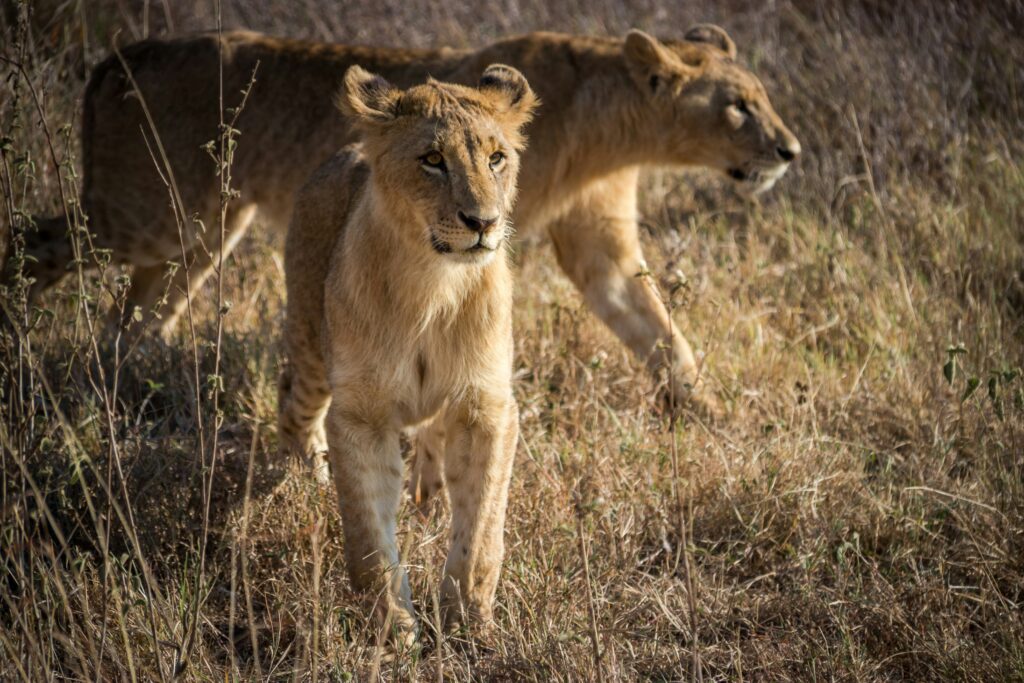
If this is your first safari, the sheer number of options can be overwhelming. Kenya or Tanzania? Botswana or South Africa? A budget lodge or a luxury tented camp? The good news is that Africa has more than enough incredible wildlife destinations to make almost any choice a good one — but some parks genuinely stand out as the best safari destinations in Africa for a first-timer, thanks to easier access, more predictable game viewing, and infrastructure built around visitors who don’t yet know exactly what they’re doing (which, on your first trip, is completely normal).
Below, we’ve narrowed down the best safari destinations in Africa to ten parks and reserves that consistently deliver for first-time safari-goers, along with what makes each one different from the rest.
What Makes a Destination Good for a First Safari?
Before diving in, it’s worth knowing what separates a “beginner-friendly” safari destination from one better suited to a second or third trip:
- High wildlife density — you want strong odds of seeing the Big Five (lion, leopard, elephant, buffalo, rhino) without needing to be an expert tracker
- Good infrastructure — reliable roads, established camps, and easy connections from international airports
- English-speaking guides — most East and Southern African countries have this covered
- A mix of activities — game drives are the core experience, but walking safaris, night drives, or cultural visits add variety
With that in mind, here’s the list.
1. Masai Mara National Reserve, Kenya
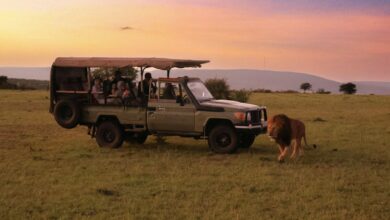
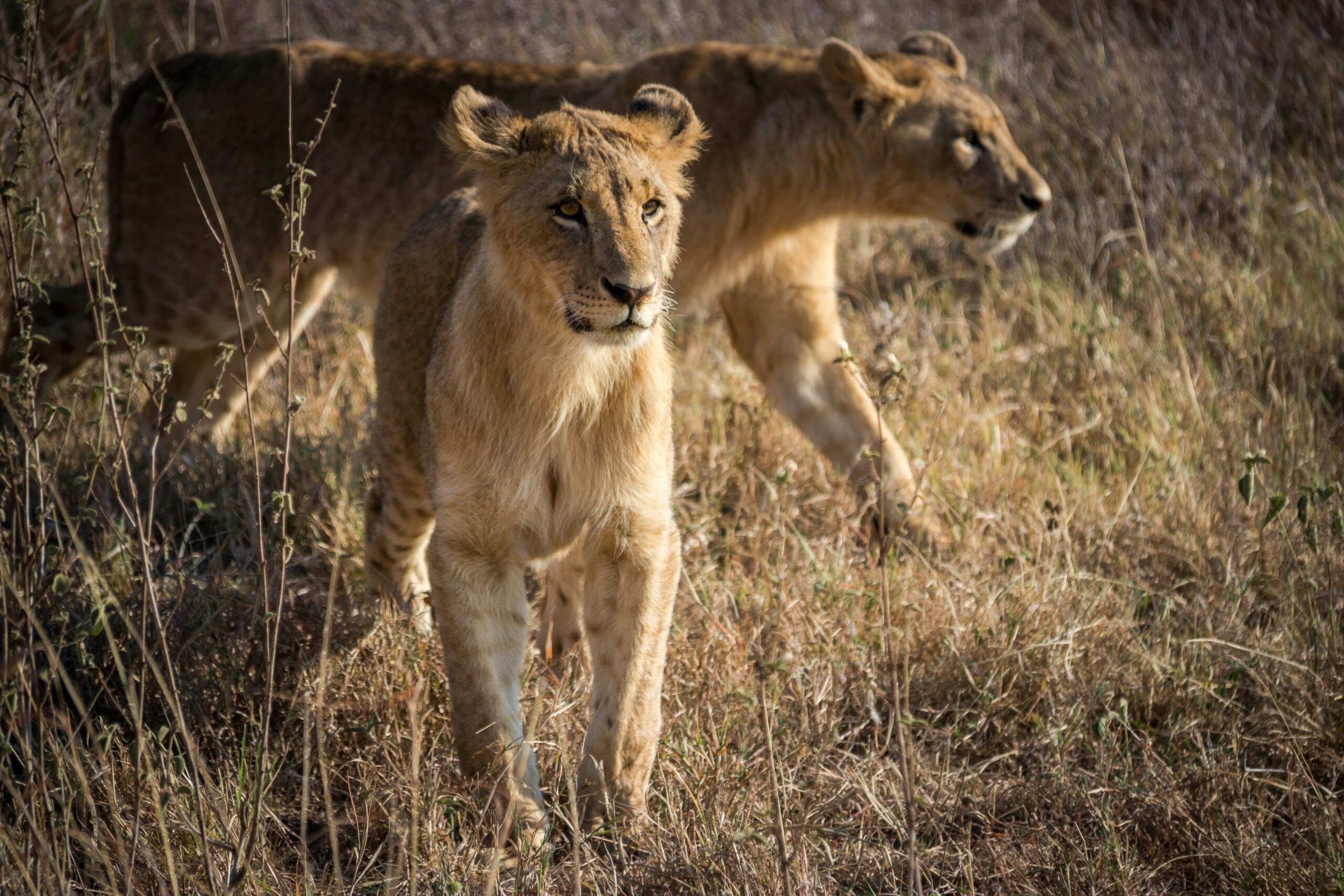
The Masai Mara is probably the single most famous safari destination on the continent, and for good reason. It has an enormous concentration of predators, is relatively compact (making game viewing efficient), and is only about 45 minutes by small plane from Nairobi. If your trip lands between July and October, you also have a shot at witnessing the Great Migration’s dramatic river crossings.
Best for: First-timers who want maximum wildlife in a short trip.
2. Serengeti National Park, Tanzania
The Serengeti is the Masai Mara’s larger neighbor across the border, and together they form one continuous ecosystem. What the Serengeti offers that the Mara doesn’t is sheer scale — it’s one of the largest protected areas in Africa, meaning you can go days without seeing another vehicle in the more remote sections.
Best for: Travelers who want a bigger, wilder feel and don’t mind a longer trip.
3. Kruger National Park, South Africa
Kruger is one of the most accessible safaris in the world — you can actually self-drive through much of it in a regular rental car, which keeps costs down significantly compared to fly-in camps elsewhere. It’s also malaria-lower-risk in the dry winter months and pairs naturally with a Cape Town extension.
Best for: Budget-conscious travelers or families who want the flexibility of a self-drive safari.
4. Okavango Delta, Botswana
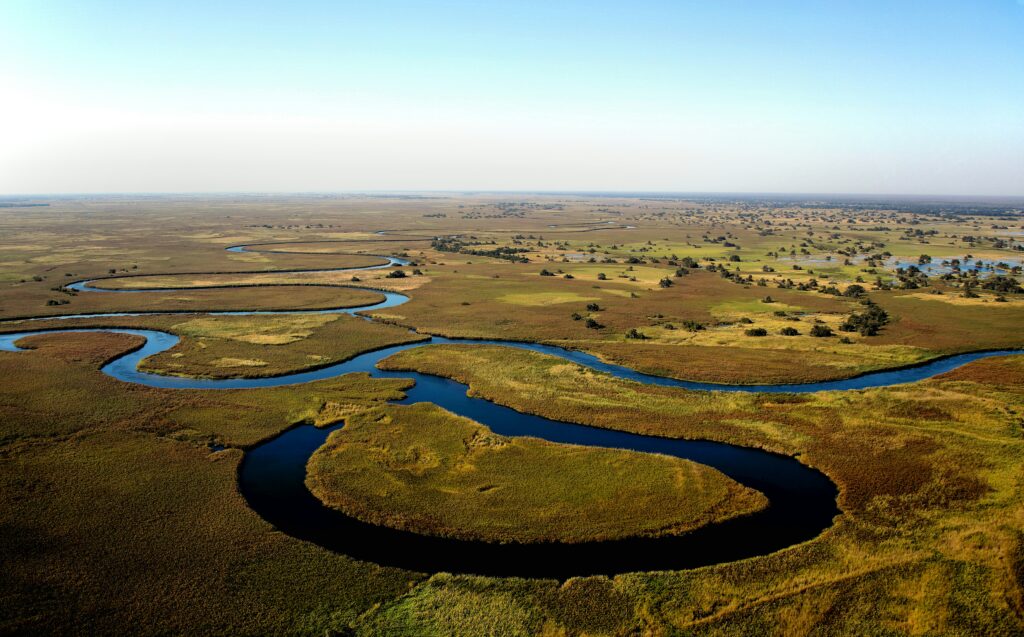
The Okavango Delta flips the usual savanna safari on its head — it’s a lush, seasonal wetland where game drives are often swapped for silent mokoro (canoe) trips through the reeds. It’s also one of the more exclusive, higher-end destinations, with a strong low-impact tourism model that keeps visitor numbers deliberately limited.
Best for: Travelers prioritizing an intimate, less crowded experience and willing to pay for it.
5. Etosha National Park, Namibia
Etosha centers around a massive salt pan, and during the dry season, animals gather at the surrounding waterholes in huge numbers — making this one of the easiest places in Africa to see wildlife without needing a particularly skilled guide. Self-driving is straightforward here too.
Best for: Independent travelers who want a self-drive safari with dramatic, open scenery.
[Image needed here — search “etosha waterhole elephants” directly on unsplash.com/s/photos/etosha, filter to non-Plus results. Alt text: “Etosha National Park waterhole safari Namibia”]
6. Ngorongoro Crater, Tanzania
Technically a collapsed volcanic caldera, the Ngorongoro Crater packs an extraordinary density of wildlife — including a healthy population of black rhino — into a relatively small, self-contained area. Many visitors combine a day trip here with a longer Serengeti itinerary.
Best for: A high-impact, single-day safari add-on to a longer Tanzania trip.
7. Chobe National Park, Botswana
Chobe is famous for its riverfront elephant herds — some of the largest concentrations of elephants anywhere in Africa gather along the Chobe River, especially during the dry season. It’s also one of the more accessible parts of Botswana, close to Victoria Falls, which makes it easy to combine both in one trip.
Best for: Combining with a Victoria Falls visit for a shorter overall trip.
8. Amboseli National Park, Kenya
Amboseli’s calling card is its backdrop: unobstructed views of Mount Kilimanjaro rising over the plains, often photographed alongside herds of elephants. It’s smaller and easier to navigate in a short visit than the Mara, making it a good pairing for travelers combining a Kenya coast trip with a brief inland safari.
Best for: Photographers and travelers on a shorter Kenya itinerary.
9. South Luangwa National Park, Zambia
South Luangwa is considered the birthplace of the walking safari, and it remains one of the best places to experience wildlife on foot with an armed, trained guide rather than exclusively from a vehicle. It’s less visited than the more famous parks, which appeals to travelers looking for something a little further off the beaten path.
Best for: Second-time safari travelers, or first-timers specifically drawn to walking safaris.
10. Bwindi Impenetrable Forest / Volcanoes National Park (Uganda & Rwanda)
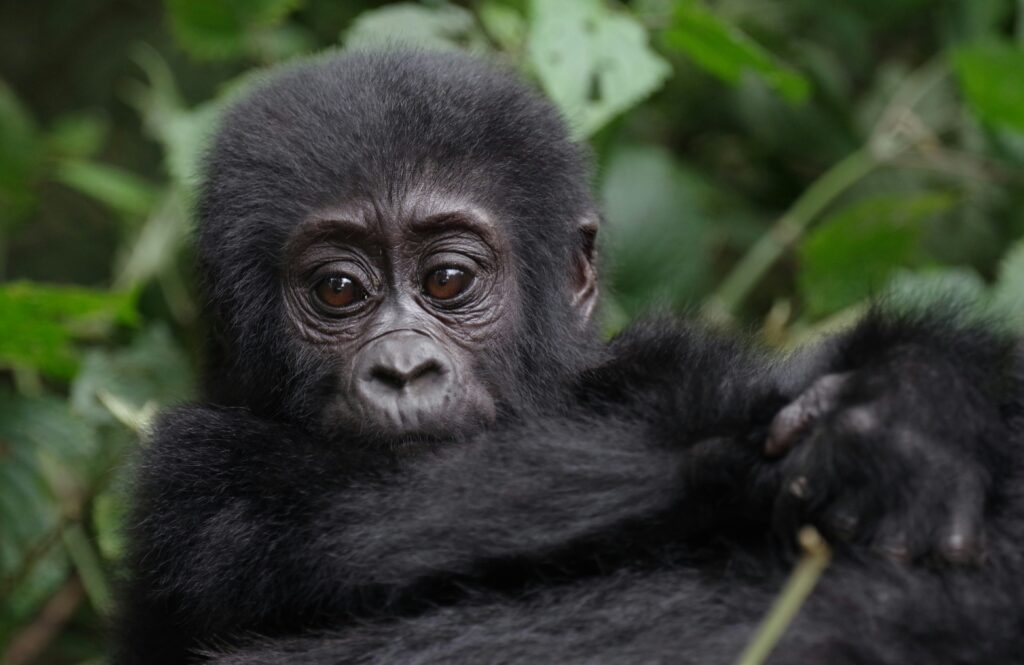
Not a savanna safari at all, but worth including — this is where you go for mountain gorilla trekking, one of the most extraordinary wildlife encounters on the continent. Permits are expensive and limited, and the trekking itself can be physically demanding, but the experience of spending an hour with a gorilla family is unlike anything else on this list.
Best for: Travelers wanting to add an unforgettable, once-in-a-lifetime experience to a broader East Africa trip.
Quick Comparison Table
| Destination | Country | Known For | Good For Self-Drive? |
|---|---|---|---|
| Masai Mara | Kenya | Migration, predators | No |
| Serengeti | Tanzania | Scale, migration | Limited |
| Kruger | South Africa | Accessibility, value | Yes |
| Okavango Delta | Botswana | Water-based safari | No |
| Etosha | Namibia | Waterhole viewing | Yes |
| Ngorongoro Crater | Tanzania | Density, rhino | No |
| Chobe | Botswana | Elephants | Limited |
| Amboseli | Kenya | Kilimanjaro views | No |
| South Luangwa | Zambia | Walking safaris | No |
| Bwindi/Volcanoes | Uganda/Rwanda | Gorilla trekking | No |
How to Choose Between the Best Safari Destinations in Africa
If this is genuinely your first-ever safari and you only have one shot, the Masai Mara or Serengeti will give you the most reliable, high-density wildlife experience with the least guesswork. If budget is the deciding factor, Kruger’s self-drive option is hard to beat. If you want something that feels genuinely different from the standard safari format, the Okavango Delta or South Luangwa’s walking safaris deliver that.
A common mistake first-timers make is trying to combine too many of these in a single trip. Africa is enormous, and the flights between safari regions — even within the same country — often take longer than people expect. Two, or at most three, destinations in a 10-14 day trip is usually the sweet spot.
Practical Tips for Your First Safari
- Book lodges and camps well in advance, especially for July–October in East Africa.
- Budget for internal flights between parks — many of these destinations are only practically reached by small aircraft.
- Pack neutral-colored clothing (khaki, olive, brown) — bright colors and pure white/black can disturb animals and attract insects.
- Bring a good pair of binoculars — even in high-density parks, a lot of wildlife viewing happens at a distance.
- Check malaria prophylaxis requirements with a travel doctor before you go, particularly for East African destinations.
Frequently Asked Questions
Which of the best safari destinations in Africa is right for someone who has never been on safari? The Masai Mara in Kenya is generally considered the most reliable starting point among the best safari destinations in Africa — high wildlife density, short flights from Nairobi, and well-established camps make it forgiving for first-timers.
Is a self-drive safari a good idea for beginners? Yes, particularly in Kruger National Park or Etosha, both of which have well-maintained roads and clear signage. It’s a more budget-friendly option than fly-in camps, though you’ll see less than you would with an experienced guide spotting wildlife for you.
How many days should a first safari trip be? Most first-time visitors do well with 5-7 days focused on one or two destinations, rather than trying to cover more ground. Rushing between parks tends to reduce actual time spent viewing wildlife.
Do I need to see all of the Big Five on my first trip? Not necessarily — while it’s a popular goal, some of the best safari moments come from unplanned sightings that have nothing to do with the Big Five checklist. Parks like the Mara and Kruger give you strong odds either way.