


The United States has a reputation as an expensive destination, and cities like New York or San Francisco can certainly live up to that. But USA travel on a budget is genuinely achievable with the right strategy — cheaper regions, smart transport choices, and a handful of national park and accommodation hacks that add up to real savings across a longer trip.

Why the USA’s Reputation for Expense Is Only Half True
Major coastal cities and marquee national parks drive much of the USA’s expensive reputation, but the country is large enough that costs vary enormously by region. This guide covers how to approach USA travel on a budget realistically — not by avoiding the country’s best sights, but by being strategic about where, how, and when you spend.
The Cheapest Regions to Visit
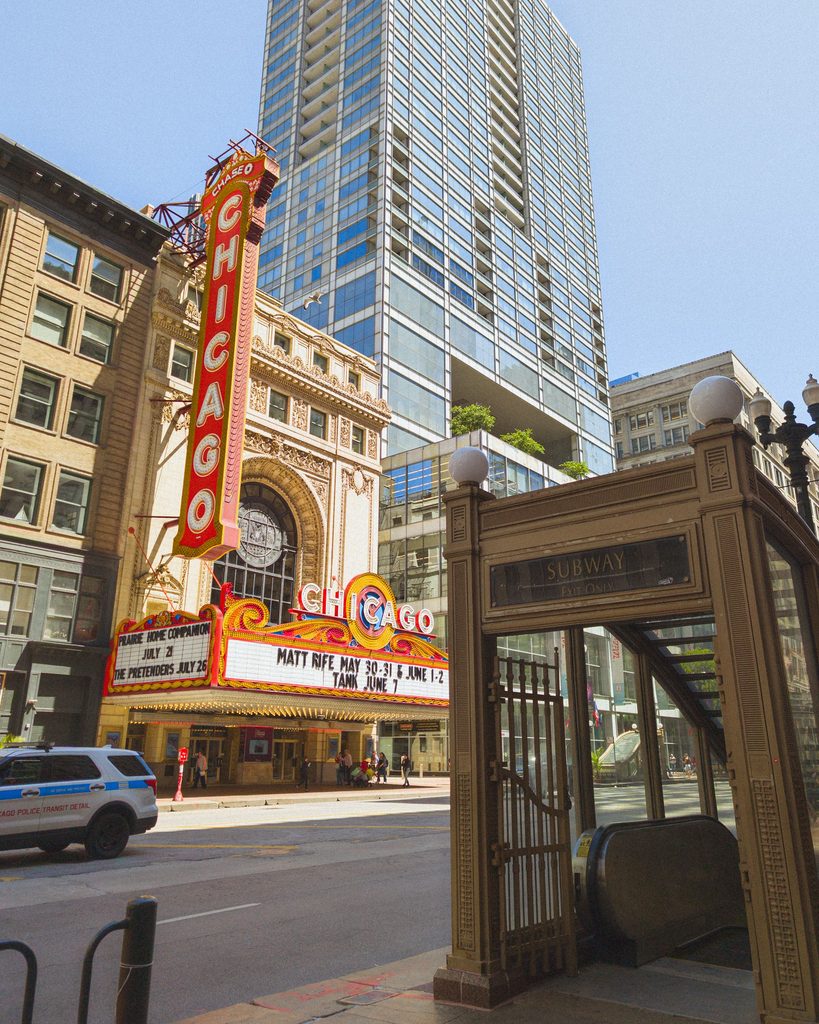
- The Midwest (Chicago, and smaller cities throughout Ohio, Indiana, and Missouri) consistently offers some of the lowest accommodation and dining costs in the country, alongside underrated cultural attractions.
- The Deep South (New Orleans, Nashville, Memphis) combines strong cultural and culinary experiences with costs well below the major coastal cities.
- Smaller national park gateway towns — outside of a handful of famous, expensive exceptions (like those near Yellowstone or Zion in peak season), many gateway towns offer meaningfully cheaper lodging than the parks’ more marketed neighbors.
Budget-Friendly Options in the “Expensive” Cities
Even New York, San Francisco, and Los Angeles have real ways to cut costs.
Use free and low-cost attractions strategically. Many major museums offer free or pay-what-you-wish days or hours — New York’s major institutions and several Smithsonian museums in Washington, DC (entirely free) are prime examples.
Stay slightly outside the city center. A short subway or transit ride from a cheaper neighborhood often cuts accommodation costs substantially compared to staying directly in a city’s most famous district.
Eat like a local, not a tourist. Food trucks, neighborhood diners, and grocery store meals for at least some days meaningfully reduce dining costs compared to restaurant-only itineraries.
National Parks on a Budget
- Get an “America the Beautiful” annual pass if visiting three or more parks — it typically pays for itself compared to individual park entrance fees, and can be purchased directly through the National Park Service’s official site.
- Camp instead of booking in-park lodges, which are considerably more affordable and, for many visitors, part of the appeal of a national park trip in the first place.
- Visit shoulder-season months (April-May, September-October) for lower gateway-town accommodation prices and thinner crowds, alongside still-comfortable weather at most parks.
- Cook your own meals where camping or cabin facilities allow, since in-park dining is almost universally priced at a premium.
Getting Around on a Budget
- Long-distance buses (Greyhound, FlixBus, Megabus) connect much of the country at a fraction of domestic flight or train costs, though journeys take considerably longer.
- Amtrak’s regional routes, particularly in the busy Northeast Corridor, can be competitively priced with advance booking, and offer a more comfortable alternative to buses for medium distances.
- Renting a car for road trip-style itineraries often works out cheaper per person for groups of two or more, compared to relying on internal flights between multiple cities.
- Budget airlines (Spirit, Frontier, and similar carriers) offer genuinely low base fares, though it’s essential to compare total cost including baggage and seat fees against standard carriers.
Accommodation Strategies
- Hostels exist in most major US cities and are increasingly common even in mid-sized cities, offering a meaningfully cheaper alternative to hotels for solo travelers and small groups.
- Vacation rentals can offer better value than hotels for groups or longer stays, particularly when kitchen access allows for self-catering.
- University dorm stays are available during summer break at some college towns, an under-the-radar budget option worth researching for specific itineraries.
- Camping, even outside national parks, is widely available and inexpensive across much of the country’s public land system.
A Realistic Budget Comparison
As a rough illustration, a backpacker-style USA trip — hostels or camping, buses or budget flights, and a mix of self-catering and casual dining — can run at a fraction of the daily cost of an equivalent trip built around hotels, rental cars, and restaurant dining in major coastal cities. The gap narrows considerably outside the most expensive cities, where even a moderate, non-backpacker travel style can be genuinely affordable.
Suggested Budget-Friendly Route: The Southeast and Gulf Coast
For travelers specifically prioritizing value, a route through New Orleans, Nashville, and Memphis delivers exceptional food and music culture at costs meaningfully lower than the major coastal cities, connected by an affordable and reasonably well-developed bus and regional flight network.
When to Go for the Best Value
Late autumn (excluding Thanksgiving week) and January through March (outside major ski destinations and spring break weeks) typically offer the lowest flight and accommodation prices across most of the country. Shoulder season for national parks (April-May, September-October) balances good weather against lower gateway-town prices.
Practical Tips
- Set a daily budget before booking, and let it guide city and region choices rather than assuming a fixed itinerary and hoping the numbers work out.
- Factor tipping into your daily budget realistically — 18-20% at restaurants is standard in the US and adds up meaningfully over a longer trip.
- Compare total transport cost, not just headline fares, particularly with budget airlines that add fees for baggage and seat selection.
- Look into city tourism passes for multi-attraction bundles in expensive cities, calculated against your specific planned itinerary rather than assumed to always be the better deal.
- Travel with a reusable water bottle and pack snacks for long bus, train, or road trip legs, since on-the-road food is almost always priced at a premium.
Frequently Asked Questions
Is it really possible to do USA travel on a budget? Yes — while marquee coastal cities and famous national parks can be expensive, strategic choices around region, transport, and accommodation make a genuinely affordable USA trip achievable.
What is the cheapest region of the USA to visit? The Midwest and parts of the Deep South (New Orleans, Nashville, Memphis) consistently offer some of the lowest accommodation and dining costs relative to the cultural and culinary experiences on offer.
Is it cheaper to fly or take the bus between US cities? Buses are almost always cheaper for the same route, particularly with advance booking, though flights (especially with budget carriers) can be competitive for longer distances when booked early.
Are national parks affordable to visit on a budget? Yes, particularly with an annual parks pass for multiple visits, camping instead of in-park lodges, and self-catering where facilities allow — the parks themselves are one of the best value experiences in the country relative to entrance cost.
Planning more of your North America trip? Check out our best time to visit North America guide, or browse all our North America travel guides for more.