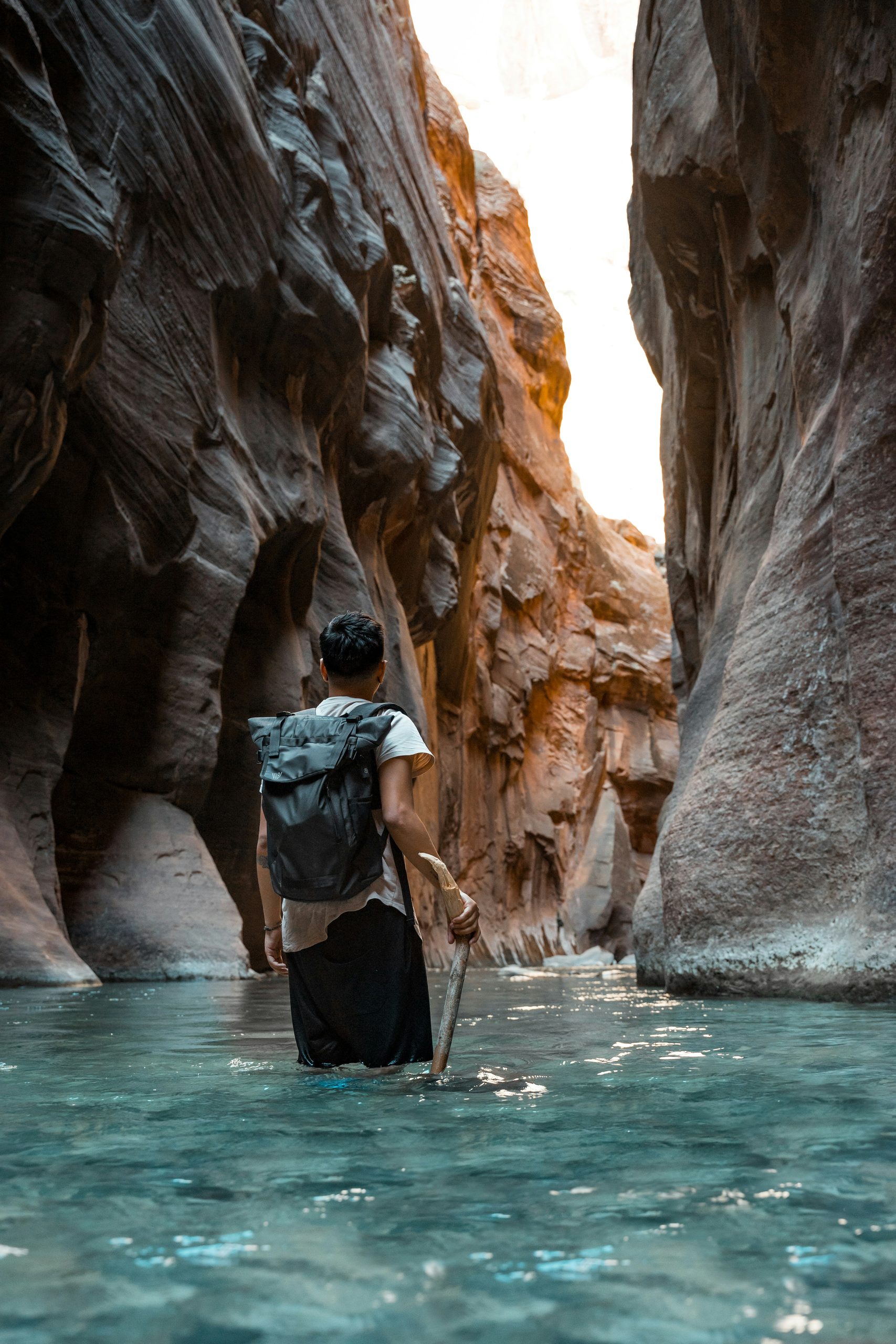

The American Southwest holds one of the greatest concentrations of dramatic national parks anywhere on Earth, all connected by a manageable driving loop. This USA national parks road trip covers Zion, Bryce Canyon, and the Grand Canyon — three parks with genuinely different landscapes, all reachable within a two-week trip built around a single rental car.
Why This Southwest Loop Works -usa national parks road trip
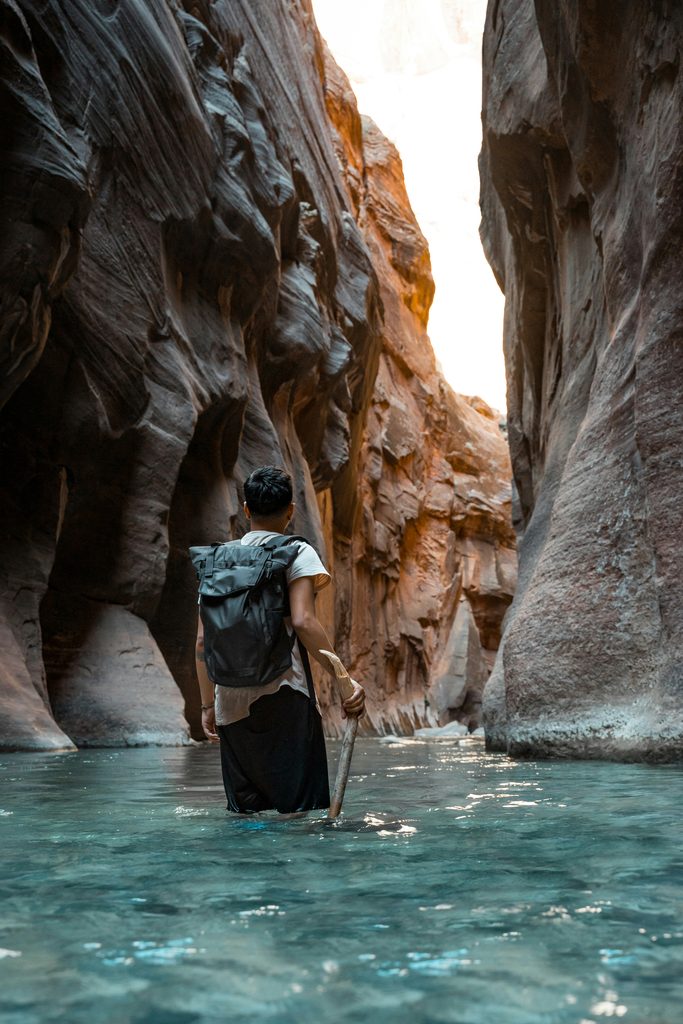
Zion, Bryce Canyon, and the Grand Canyon sit within a few hours’ drive of each other across Utah and Arizona, making this one of the most efficient national park loops in the country. Each park offers a genuinely different landscape — Zion’s narrow slot canyons and towering red cliffs, Bryce’s otherworldly hoodoo formations, and the Grand Canyon’s sheer, almost incomprehensible scale — giving this USA national parks road trip real variety without requiring long interstate drives between stops.
Las Vegas: Starting Point
Most versions of this road trip begin in Las Vegas, given its major airport and central location relative to the loop. A day here isn’t essential, but many travelers use it as a arrival buffer before heading into the parks.
Zion National Park: 3 Days
Around a 2.5-hour drive from Las Vegas, Zion is often the first major stop on this route.
What to see:
- The Narrows — a hike through the Virgin River itself, walking between towering canyon walls; water levels and permits vary seasonally, so checking current conditions before planning this specific hike is essential
- Angels Landing — one of the most famous (and demanding) hikes in the National Park system, requiring a permit obtained through a lottery system due to its popularity and exposure
- The Zion Canyon Scenic Drive — accessible via a mandatory shuttle system during peak season, covering the park’s most photographed viewpoints
- Emerald Pools Trail — a more moderate hiking option for a shorter visit or less strenuous day
Three days allows time for at least one major hike (Angels Landing or The Narrows) alongside the scenic drive and shorter trails.
Bryce Canyon National Park: 2 Days
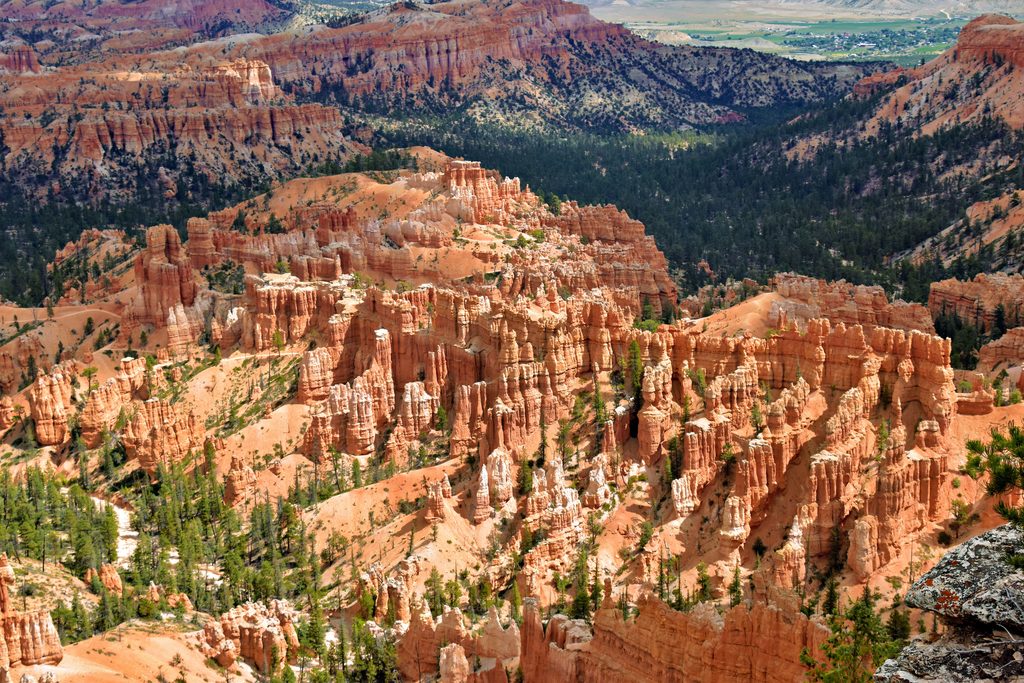
About two hours from Zion, Bryce Canyon offers one of the most distinctive landscapes in the National Park system — thousands of orange-red hoodoo rock spires filling a natural amphitheater.
What to see:
- Sunrise Point and Sunset Point — both easily reached viewpoints along the rim, offering dramatically different lighting at their namesake times of day
- The Navajo Loop and Queen’s Garden Trail — a popular combined hike descending directly into the hoodoo formations rather than just viewing them from the rim
- Stargazing — Bryce Canyon’s high elevation and remote location make it one of the best stargazing spots among major US national parks, with regular ranger-led astronomy programs
Two days covers Bryce’s compact but visually dense landscape comfortably, including both rim viewpoints and at least one descent into the amphitheater itself.
Grand Canyon National Park (South Rim): 3 Days
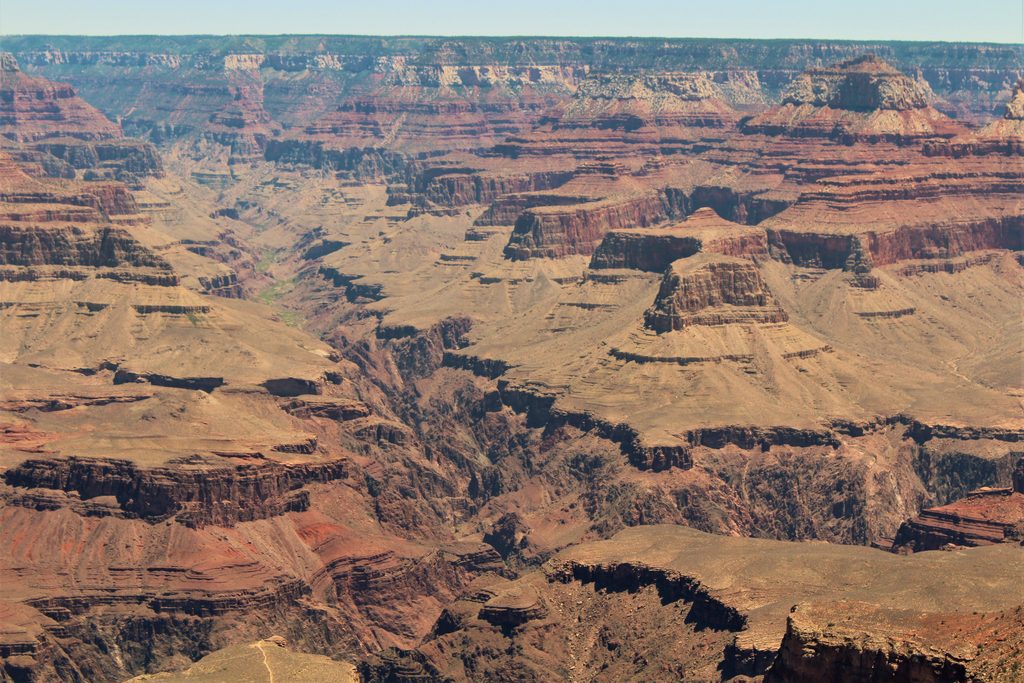
A roughly 4-5 hour drive from Bryce brings you to the Grand Canyon’s South Rim, the most visited and infrastructure-developed section of the park.
What to see:
- Rim Trail viewpoints — Mather Point, Yavapai Point, and Hopi Point among the most popular, each offering a slightly different angle on the canyon’s scale
- A hike below the rim — the South Kaibab or Bright Angel Trail, even a partial descent, offers a genuinely different perspective than rim-only viewing; hiking all the way to the canyon floor and back in a single day is strongly discouraged given the elevation and heat
- Desert View Watchtower — a historic structure at the park’s eastern entrance offering panoramic views and a different architectural perspective than the more developed Grand Canyon Village area
- A sunset or sunrise viewing session — timing a visit to one of the main viewpoints for these hours is, for many visitors, the single most memorable part of the whole trip
Three days allows time for both rim exploration and at least a partial below-rim hike, without the exhaustion of attempting the canyon floor in one push.
Suggested 14-Day Itinerary
| Days | Location | Focus |
|---|---|---|
| 1 | Las Vegas | Arrival, rest |
| 2-4 | Zion National Park | Narrows, Angels Landing, scenic drive |
| 5-6 | Bryce Canyon | Rim viewpoints, Navajo Loop hike |
| 7-9 | Grand Canyon (South Rim) | Rim trail, below-rim hike, sunset viewing |
| 10-14 | Buffer/extension | Additional hiking days, or add Antelope Canyon and Horseshoe Bend nearby |
Travelers with extra time often add Antelope Canyon and Horseshoe Bend, both near Page, Arizona, roughly between Bryce Canyon and the Grand Canyon on this route.
Getting Around
- A rental car is essential for this itinerary — none of these parks are practically reachable or navigable without one, and distances between them require independent driving rather than relying on tours.
- Zion’s main canyon requires a shuttle during peak season (spring through fall), with private vehicle access restricted to reduce traffic congestion — factor this into your Zion days rather than assuming full driving access.
- Fuel up before entering remote stretches, since gas stations can be sparse between some of these parks, particularly on the more rural roads connecting Bryce Canyon to the Grand Canyon.
When to Go
April to May and September to October are the best windows for this USA national parks road trip, offering comfortable hiking temperatures across all three parks without summer’s peak crowds or extreme Grand Canyon inner-canyon heat. Summer (June-August) brings reliable weather and full facility access but also the heaviest crowds, and Grand Canyon inner-canyon temperatures can become genuinely dangerous for hiking below the rim. Winter transforms Bryce Canyon into a snow-dusted landscape (still open, and stunning, though some trails require caution), while Zion’s Narrows hike typically closes or requires specialized gear due to cold water temperatures.
Practical Tips
- Book Angels Landing permits well in advance — this popular Zion hike now requires a lottery-based permit system due to overcrowding and safety concerns on its exposed final section.
- Carry more water than feels necessary, especially for any Grand Canyon below-rim hiking, where dehydration and heat exhaustion are genuine risks even for experienced hikers.
- Get an “America the Beautiful” annual national parks pass if visiting three or more parks, since it typically pays for itself compared to individual park entrance fees.
- Check park shuttle schedules and seasonal road closures before finalizing daily plans, since these details shift by season and occasionally by weather conditions.
- Book accommodation near park entrances well ahead for peak season, since in-park and gateway-town lodging sells out months in advance for popular dates.
Frequently Asked Questions
How many days do you need for this USA national parks road trip? 12-14 days allows a comfortable pace covering Zion, Bryce Canyon, and the Grand Canyon with real hiking time at each. A shorter 8-9 day version is workable by trimming a day or two from each stop.
Do I need permits for this trip? Angels Landing in Zion requires a lottery-based permit, and The Narrows may require a permit depending on which section you’re hiking. Bryce Canyon and standard Grand Canyon rim trails don’t require special permits for day use.
Is this road trip suitable for a family with children? Yes, with adjustments — rim viewpoints and shorter trails at all three parks are family-friendly, though the more demanding hikes (Angels Landing, full Narrows, below-rim Grand Canyon hikes) require more caution and may not suit younger children.
What’s the best single park to prioritize if I’m short on time? This depends on preference, but the Grand Canyon’s sheer scale makes it the most commonly prioritized stop for first-time visitors to the American Southwest, even on a shortened itinerary.
Planning more of your North America trip? Check out our best time to visit North America guide, or browse all our North America travel guides for more.