
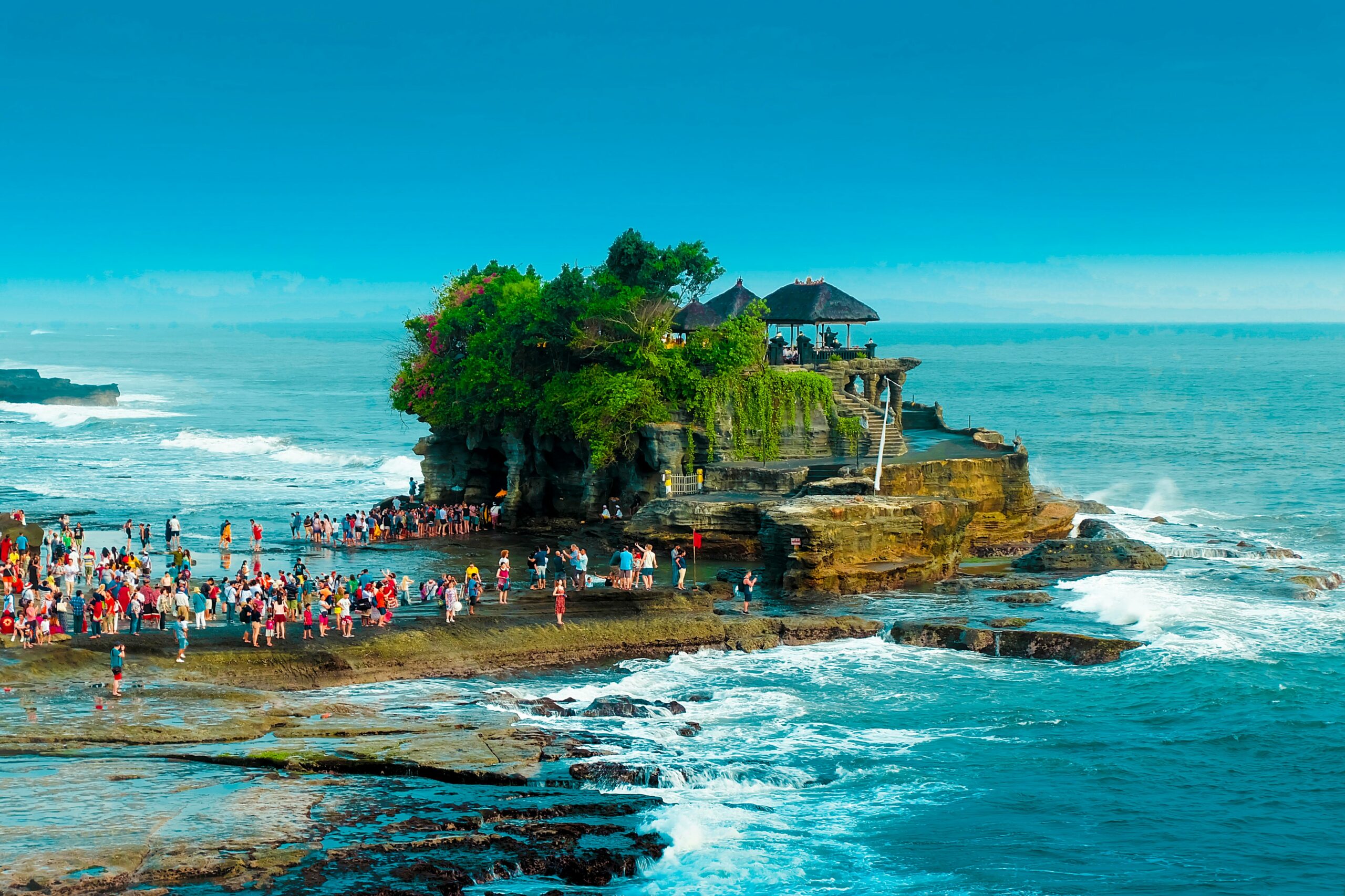

Bali has been a favorite escape for decades, and it earns that reputation honestly — a genuinely varied island where you can spend a morning in a rice terrace, an afternoon at a cliffside temple, and an evening watching the sunset from a beach club, all within the same day. This Bali travel guide breaks down the island’s main areas, what each one does best, and how to structure a trip that doesn’t just bounce between the same few tourist strips.
Why Bali Isn’t Just One Kind of Trip
A common mistake first-time visitors make is treating Bali as a single destination rather than an island with genuinely distinct regions. Ubud’s cultural, jungle-forward atmosphere has almost nothing in common with Canggu’s surf-and-café scene or Nusa Dua’s resort strip. A good Bali travel guide has to account for that — the “best” area to stay depends entirely on what kind of trip you’re after.
Ubud: Culture, Rice Terraces, and Wellness
Ubud sits inland, surrounded by jungle and rice paddies, and has built its reputation on yoga retreats, art galleries, and a slower pace than the coastal areas.
What to see and do:
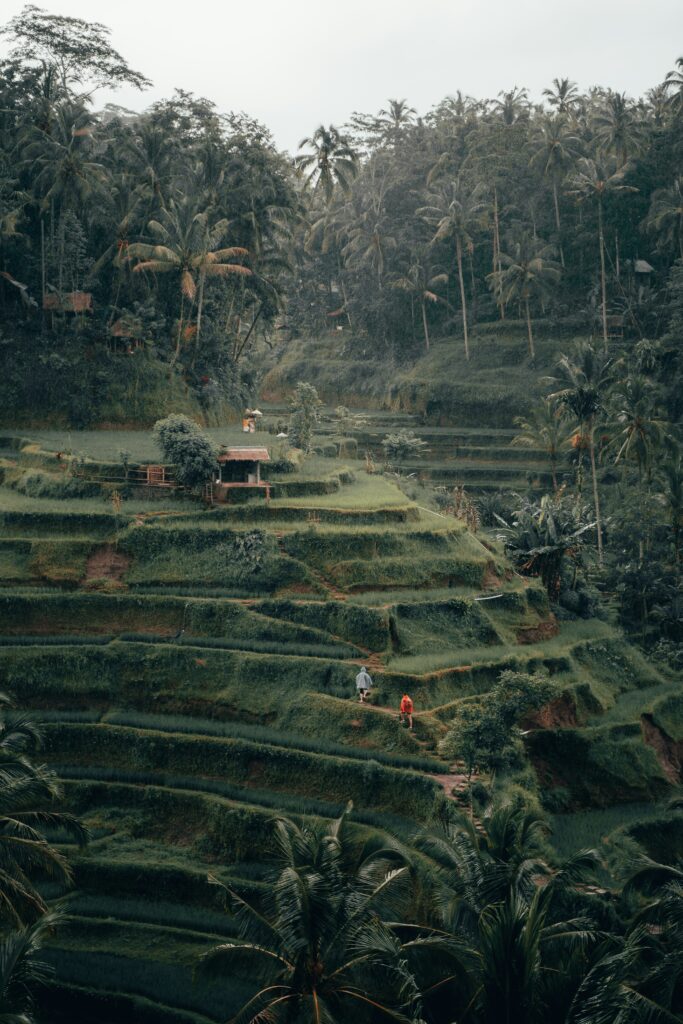
- Tegalalang Rice Terrace — Bali’s most photographed rice paddies, best visited early morning to avoid both heat and crowds
- Sacred Monkey Forest Sanctuary — a jungle temple complex home to hundreds of long-tailed macaques
- Ubud Palace and the traditional market — a good introduction to Balinese royal architecture and local crafts
- Yoga and wellness retreats — Ubud remains the island’s epicenter for this, ranging from single drop-in classes to multi-day retreats
- Campuhan Ridge Walk — an easy, scenic walking trail through the hills just outside the town center
Two to three days is a reasonable amount of time for Ubud before heading to the coast.
Seminyak and Canggu: Beach Clubs and Surf
These two neighboring areas on the southwest coast have become Bali’s most developed beach and lifestyle hubs, though each has its own character.
Seminyak leans upscale — beach clubs, boutique shopping, and some of the island’s best fine dining. Canggu, a bit further north, has a younger, more laid-back surf-and-café scene, with a strong digital nomad community and a noticeably more casual atmosphere.
What to see and do:
- Sunset at a beach club — Potato Head and La Brisa are among the most well-known in Seminyak
- Surfing at Batu Bolong or Berawa Beach in Canggu, both good for beginners and intermediate surfers
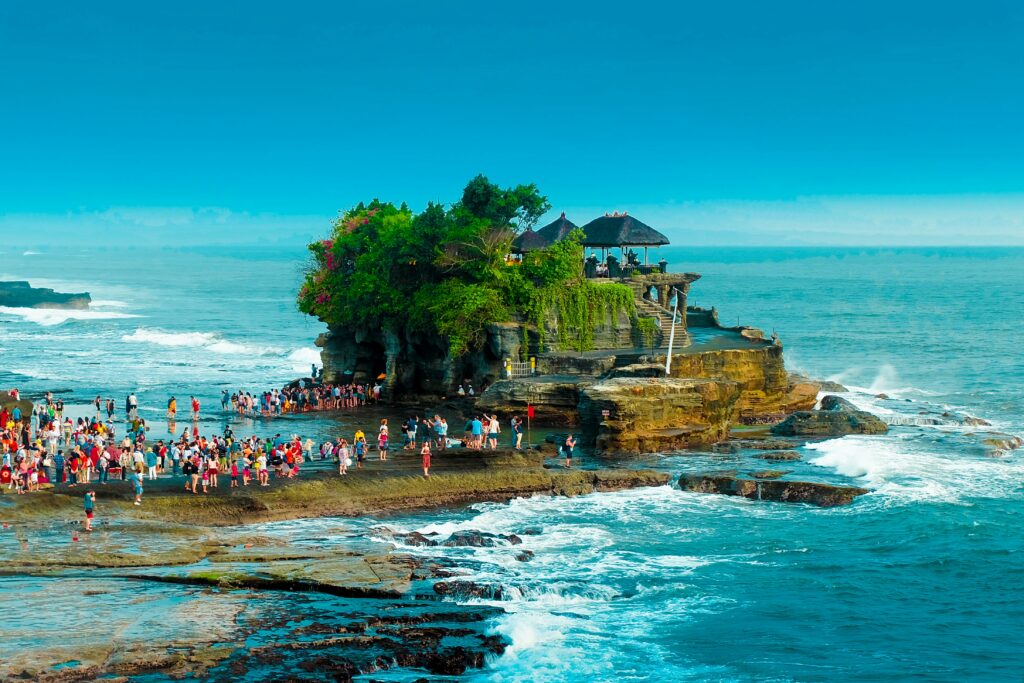
- Tanah Lot Temple — a striking sea temple perched on a rock formation, best visited at sunset, located a short drive from both areas
Uluwatu: Cliffs, Surf, and Temples
At Bali’s southern tip, Uluwatu offers dramatic limestone cliffs, some of the island’s best surf breaks, and a noticeably quieter atmosphere than Seminyak or Canggu.
What to see and do:
- Uluwatu Temple (Pura Luhur Uluwatu) — perched on a cliff edge, with a traditional Kecak fire dance performed most evenings at sunset
- Surfing at Uluwatu, Padang Padang, or Bingin — some of the most respected breaks in Indonesia, generally suited to intermediate and advanced surfers
- Beach clubs built into the cliffside, offering ocean views that Seminyak’s flatter coastline can’t match
The Nusa Islands: A Quieter Beach Escape
A short boat ride from Sanur brings you to Nusa Lembongan, Nusa Ceningan, and Nusa Penida — collectively offering some of Bali’s most dramatic coastal scenery, including the famous Kelingking Beach viewpoint on Nusa Penida, along with excellent snorkeling and diving, including the chance to see manta rays.
Most visitors do these islands as a day trip from mainland Bali, though 2-3 nights allows for a noticeably more relaxed pace and better access to the more remote viewpoints.
Suggested 10-Day Itinerary
| Days | Location | Focus |
|---|---|---|
| 1-3 | Ubud | Rice terraces, temples, wellness |
| 4-5 | Nusa Penida | Day trip or overnight, snorkeling, viewpoints |
| 6-7 | Canggu or Seminyak | Beach clubs, surf, cafés |
| 8-10 | Uluwatu | Cliffside temples, surf, sunset |
This can be reordered or compressed depending on how much beach time versus cultural time you’re after.
When to Visit
Bali sits close to the equator, so temperatures stay warm year-round, and the main variable is rainfall rather than temperature.
- April to October (dry season): The most popular window, with the driest, sunniest weather — also the busiest and most expensive time to visit, particularly around July-August and the December holidays.
- November to March (wet season): Rain tends to arrive in short, heavy afternoon downpours rather than all-day washouts, and this period offers noticeably lower prices and thinner crowds, particularly appealing to travelers who don’t mind adjusting plans around occasional rain.
Practical Tips
- Rent a scooter carefully, or hire a driver. Scooters are the most common way to get around, but Bali’s traffic and road conditions carry real risk — a private driver for day trips is a safer, still-affordable alternative for many visitors.
- Dress modestly at temples. A sarong is often required and can usually be rented or borrowed at the entrance if you don’t have one.
- Bali is largely visa-free or visa-on-arrival for many nationalities for short tourist stays — check current requirements for your specific passport before booking.
- Negotiate prices at markets, but expect fixed pricing at cafés, restaurants, and established shops.
- Book Nusa Penida boat trips in advance during peak season, as popular departure times fill up quickly.
Frequently Asked Questions
Which area of Bali is best for a first visit? Most first-time visitors benefit from splitting their trip between Ubud (for culture and rice terraces) and one coastal area — Seminyak, Canggu, or Uluwatu, depending on whether you want a livelier or quieter beach scene.
How many days do you need for Bali? 7-10 days allows a comfortable trip covering both inland and coastal areas without feeling rushed. A shorter 5-day trip is workable if you focus on just two areas.
Is Bali good for a beach vacation, or is it more about culture? Genuinely both — that’s a large part of its appeal. Ubud delivers the cultural and jungle side, while the southern coastal areas (Seminyak, Canggu, Uluwatu) offer a strong beach and surf scene, often within the same trip.
Is it safe to swim at Bali’s beaches? Conditions vary significantly by beach — some, particularly around Uluwatu and Canggu, have strong currents and are better suited to experienced swimmers and surfers. Checking local flag warnings and asking at your accommodation about specific beach conditions is a sensible habit.
Planning more of your Asia trip? Check out our best time to visit Asia guide, or browse all our Asia travel guides for more.