
Mexico offers a genuinely different trip depending on which region you focus on — Cancun’s Caribbean beaches and Mayan ruins, Mexico City’s dense layers of history and world-class museums, and Oaxaca’s celebrated food and craft traditions. This Mexico travel guide covers all three, along with how a first trip might realistically combine them.
Why Mexico Rewards More Than a Beach Trip
Cancun’s all-inclusive resort reputation is well earned, but it’s only one version of what Mexico offers. This Mexico travel guide treats the country as three genuinely different destinations rather than assuming a single trip type — a beach-focused Caribbean coast visit, a culturally dense capital city trip, or a food-and-craft-focused visit to Oaxaca, each of which could anchor a standalone trip or combine into a longer itinerary.
Cancun and the Riviera Maya: 4-5 Days
Mexico’s Caribbean coast remains the country’s most visited region for international tourists, and it offers more than just resort beaches.
What to see and do:
- Cancun’s beaches — the Hotel Zone’s white sand and turquoise water, backed by an extensive all-inclusive resort infrastructure
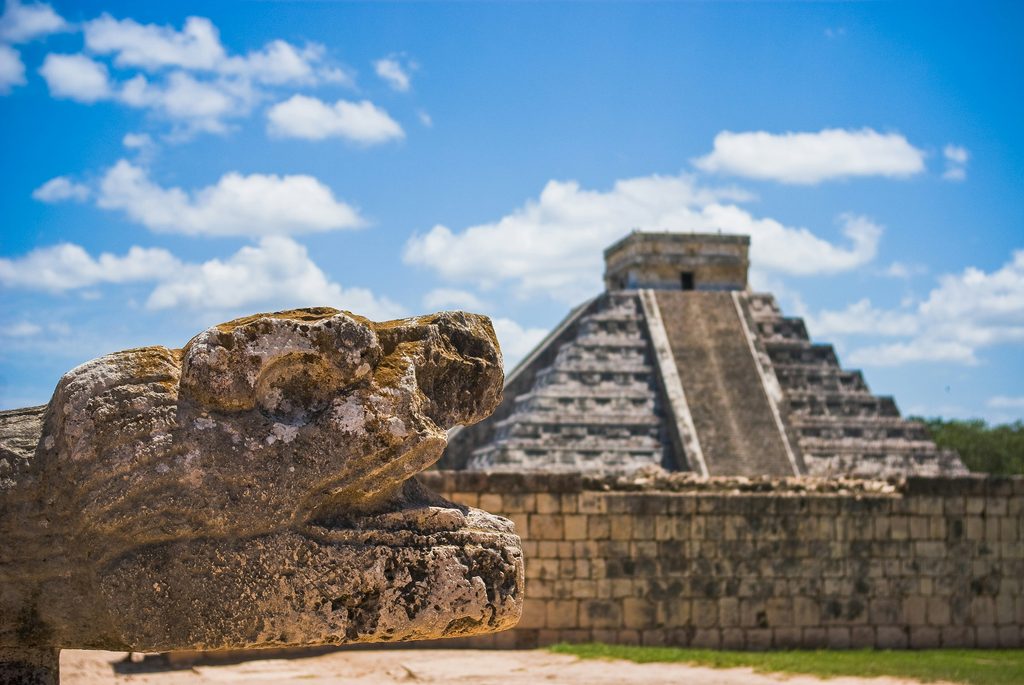
- Chichén Itzá — one of the New Seven Wonders of the World, a Mayan step-pyramid complex reachable as a day trip from Cancun or Playa del Carmen
- Tulum — Mayan ruins perched dramatically on a coastal cliff, alongside a beach town known for its boutique hotels and wellness-focused tourism
- Cenotes — natural swimming holes formed in collapsed limestone caverns, unique to the Yucatán Peninsula and a genuinely distinctive activity for the region
- Isla Mujeres or Cozumel — short ferry rides for a quieter island beach day or, in Cozumel’s case, some of the best diving in the Caribbean
Four to five days allows time for beach relaxation alongside at least one major archaeological site and a cenote visit.
Mexico City: 3-4 Days
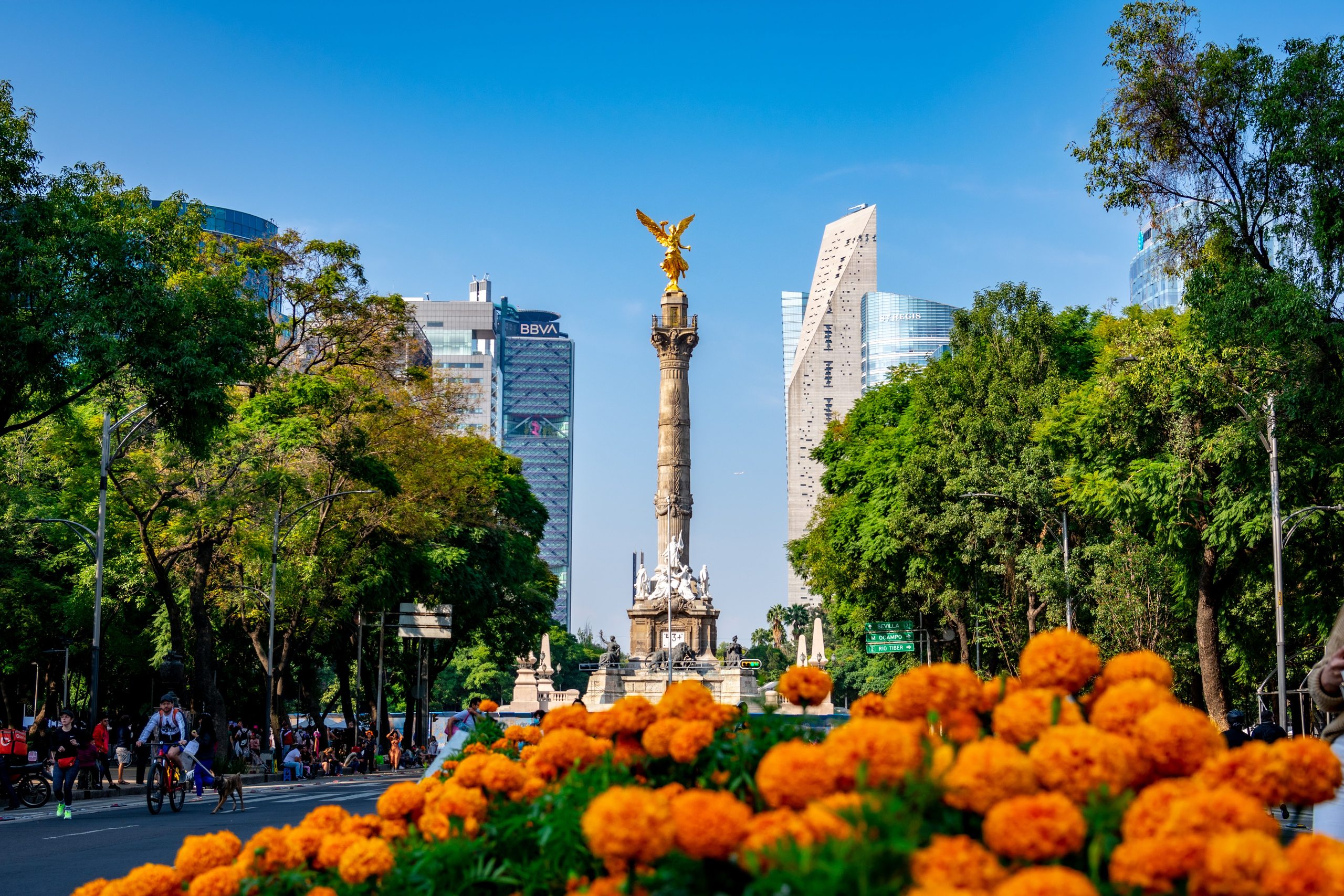
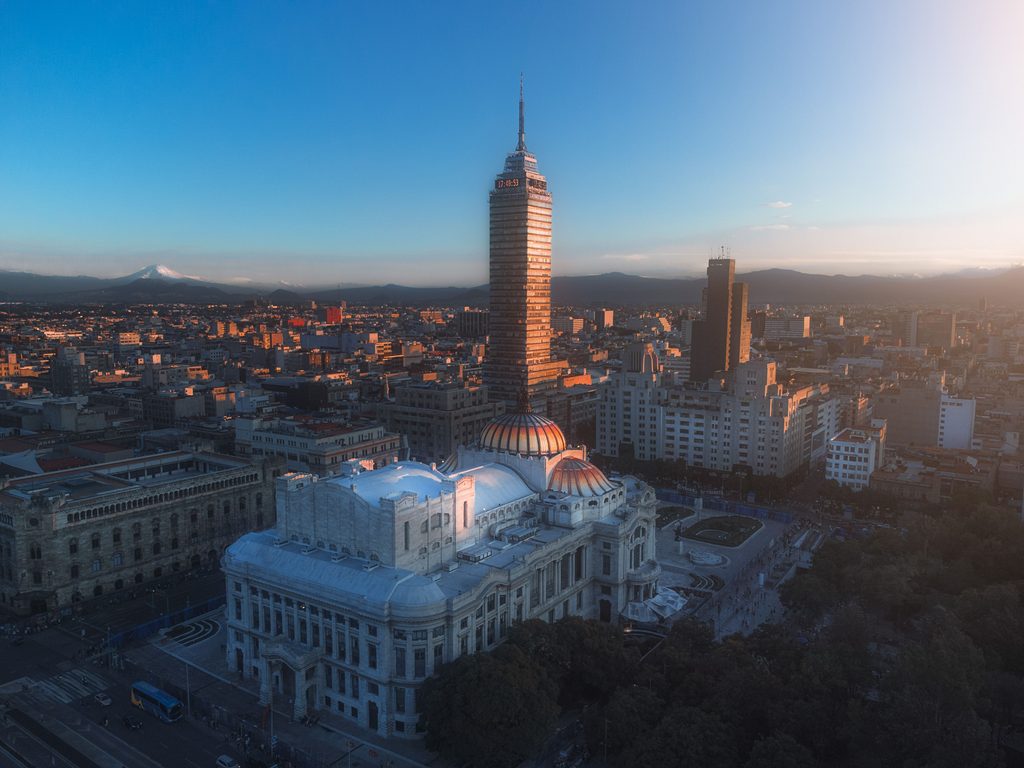
Mexico’s capital is one of the largest cities in the world, and its historic center and museums rank among the best in Latin America.
What to see:
- The Zócalo and Metropolitan Cathedral — the historic heart of the city, built atop the ruins of the Aztec capital Tenochtitlan
- Templo Mayor — the excavated ruins of the main Aztec temple, discovered beneath the modern city and now an on-site museum
- Frida Kahlo Museum (Casa Azul) — the artist’s former home, now one of the city’s most-visited museums; booking tickets in advance is essential given consistent demand
- Chapultepec Park and the National Museum of Anthropology — one of the finest anthropology museums in the world, covering Mexico’s pre-Hispanic civilizations in depth
- Teotihuacán — the ancient pyramid city (not built by the Aztecs, despite common assumption, but by an earlier, still not fully identified civilization), a straightforward day trip from the capital
Three to four days covers Mexico City’s core historic sites and at least one major museum, alongside the Teotihuacán day trip.
Oaxaca: 2-3 Days
Oaxaca City and its surrounding valley are widely considered the heart of Mexican culinary and craft tradition, drawing food-focused travelers in particular.
What to see and do:
- Oaxaca’s food scene — mole in its many regional varieties, tlayudas, and mezcal tastings, all central to any visit
- Monte Albán — an ancient Zapotec archaeological site set on a leveled mountaintop with sweeping valley views
- Hierve el Agua — striking mineral rock formations resembling frozen waterfalls, a distinctive natural site outside the city
- Teotitlán del Valle — a village renowned for traditional handwoven textiles, using natural dyes and techniques passed down for generations
- Mezcal distillery visits — Oaxaca is the heart of Mexico’s mezcal production, and small-batch distillery tours offer a deeper look than a standard tasting
Two to three days allows time for the city itself along with at least one excursion to Monte Albán or Hierve el Agua.
Suggested 12-Day Itinerary
| Days | Location | Focus |
|---|---|---|
| 1-4 | Mexico City | Zócalo, museums, Teotihuacán |
| 5-7 | Oaxaca | Food, Monte Albán, Hierve el Agua |
| 8 | Travel to Cancun | Domestic flight |
| 9-12 | Cancun/Riviera Maya | Beaches, Chichén Itzá, cenotes |
Travelers focused primarily on beaches sometimes skip the inland cities entirely and spend the full trip along the Riviera Maya, while culture-focused travelers may reverse the emphasis toward Mexico City and Oaxaca with only a short coastal add-on.
Getting Around
- Domestic flights connect Mexico City, Oaxaca, and Cancun efficiently, and are the most practical way to cover this itinerary’s distances given Mexico’s size.
- Within Mexico City, the metro is extensive and inexpensive, though ride-hailing apps are widely used and considered a safer option for late-night travel.
- Within the Riviera Maya, the ADO bus network connects Cancun, Playa del Carmen, and Tulum affordably, and a rental car offers more flexibility for reaching cenotes and smaller sites independently.
When to Go
November to April is the best window for both Cancun and Mexico City, offering dry weather and comfortable temperatures, and avoiding the Caribbean coast’s hurricane season (roughly June through November). Oaxaca’s dry season runs similarly, though the city’s Day of the Dead celebrations (around November 1-2) draw significant crowds and are worth specifically planning around if that cultural experience is a priority. May and June bring rising heat and humidity across most of the country ahead of the summer rains.
Practical Tips
- Most nationalities can enter Mexico visa-free for tourism, receiving an entry permit (FMM) on arrival — a straightforward process for most visitors.
- Drink bottled or purified water throughout the trip, including for brushing teeth, as a standard precaution.
- Carry small bills and coins for local transport, markets, and tipping, since larger bills can be difficult to break in smaller establishments.
- Book Frida Kahlo Museum tickets well in advance — this is consistently one of the hardest tickets to secure in Mexico City, with limited daily capacity.
- Research cenote and ruin site opening hours before visiting, since some operate on limited schedules or require advance reservations, particularly Chichén Itzá’s more popular entry times.
Frequently Asked Questions
How many days do you need for a good Mexico trip? 10-14 days allows a comfortable pace covering Mexico City, Oaxaca, and Cancun. A shorter 7-8 day trip is workable focusing on just two of the three regions.
Is Mexico safe for tourists? The major tourist areas covered in this guide — central Mexico City, Oaxaca, and the Riviera Maya — see millions of visitors annually and have well-established tourism infrastructure. As with any destination, checking current travel advisories for specific regions before booking is a sensible precaution, since safety conditions vary considerably by state.
Should I visit Cancun or Tulum for beaches? Cancun offers more extensive resort infrastructure and nightlife, while Tulum has a quieter, more boutique character alongside its own beaches and cliffside ruins — many travelers combine a stay in both as part of a Riviera Maya trip.
Is Oaxaca worth visiting if I’m not especially interested in food? Yes — while its culinary reputation draws many visitors, Oaxaca’s archaeological sites, textile traditions, and overall atmosphere stand on their own even for travelers less focused on dining specifically.
Planning more of your North America trip? Check out our best time to visit North America guide, or browse all our North America travel guides for more.