
North America spans nearly nine time zones and climates ranging from Arctic tundra to subtropical swamp, which makes “best time to visit” a genuinely different answer depending on whether you’re headed to a national park, a coastal city, or a ski resort. This guide breaks the continent down by region and by activity, rather than flattening it into one seasonal recommendation.
Why This Question Needs a Regional Answer
A trip built around Yellowstone’s wildlife has almost nothing in common, weather-wise, with a trip to Miami Beach or a Rocky Mountain ski week — yet all three sit within North America. This guide splits the continent into its major travel regions, since that’s genuinely the only way to give a useful answer.
Best Time to Visit US National Parks
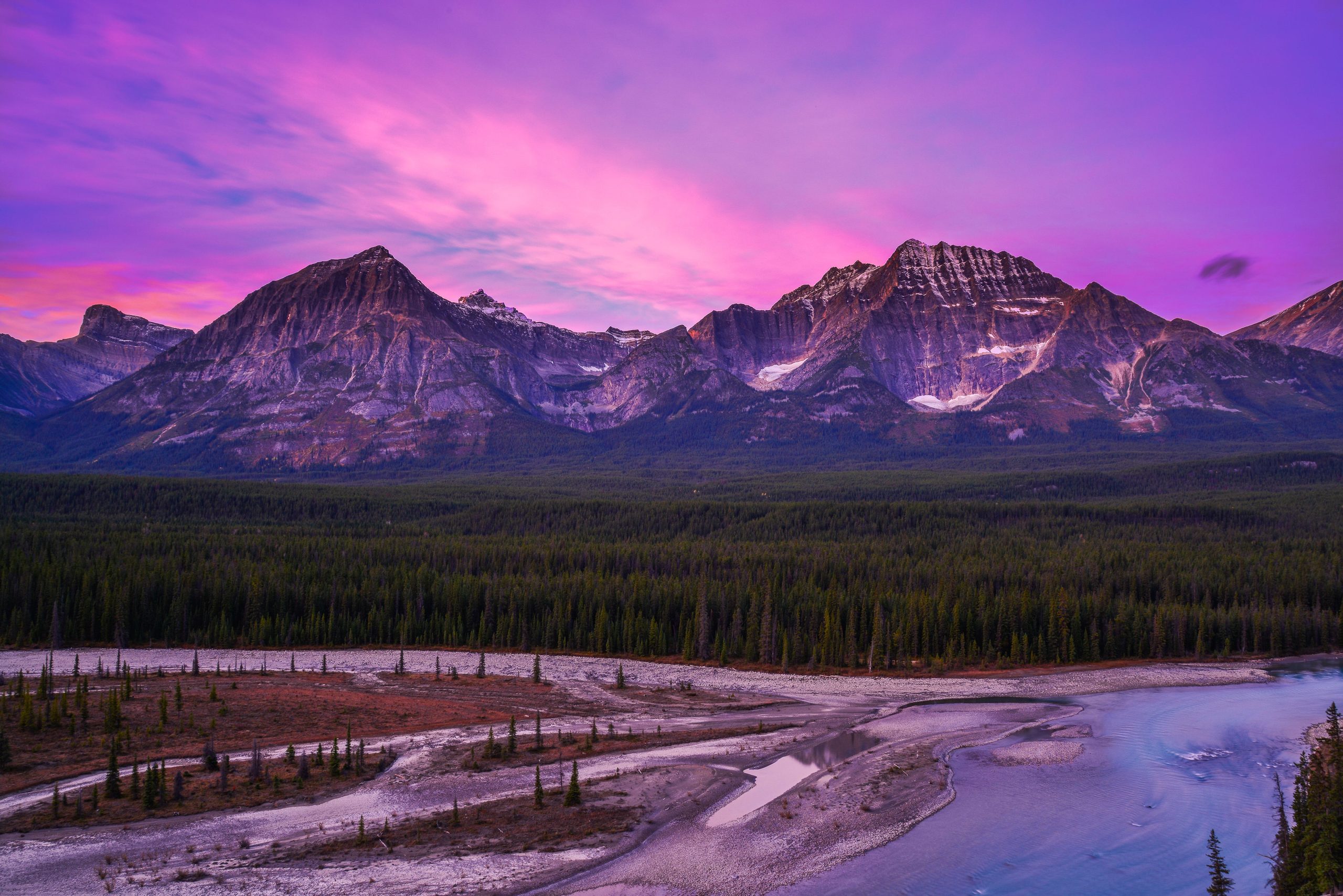
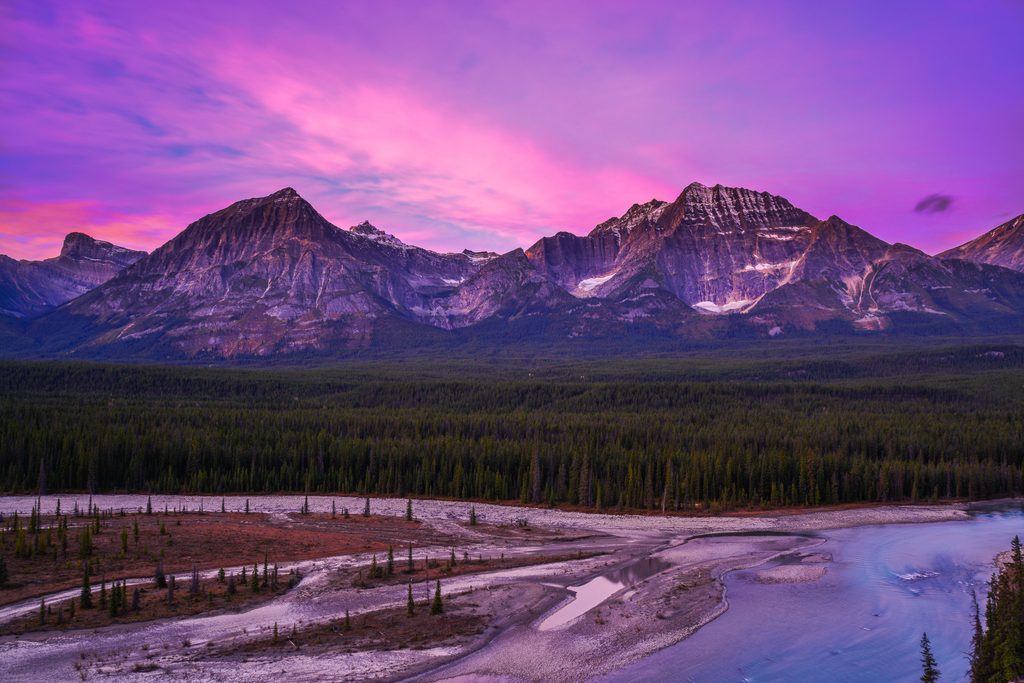
Spring (April-May) and autumn (September-October) are widely considered the sweet spot for parks like Yellowstone, Grand Canyon, and Yosemite — comfortable temperatures, wildlife more active and visible, and noticeably thinner crowds than summer. Summer (June-August) brings the most reliable weather and full facility access (some high-elevation roads only open in summer), but also the heaviest crowds and highest accommodation demand near park entrances. Winter transforms parks like Yellowstone into a snow-covered landscape with limited road access, appealing to a different kind of visitor entirely — often via snowcoach or guided tour rather than a standard self-drive itinerary.
Best Time to Visit New York City and the Northeast
September to November is frequently cited as the best window for New York and the wider Northeast, combining comfortable walking-around temperatures with the region’s famous fall foliage, particularly in New England. May and June offer a similarly pleasant spring alternative. Summer in New York can be hot and humid, though it’s also peak season for outdoor events and rooftop dining. Winter brings genuine cold and occasional snow, appealing mainly for holiday-season visitors drawn to New York’s Christmas window displays and ice skating rinks.

Best Time to Visit California
California’s size means it doesn’t share one climate. Southern California (Los Angeles, San Diego) stays warm and pleasant nearly year-round, making it one of the most weather-flexible destinations on this list. San Francisco is famously mild but foggy in summer, with many locals citing September and October as the city’s actual best weather window, somewhat counterintuitively. Northern California and the wine country follow a more traditional spring/autumn sweet spot, avoiding both winter rain and summer’s peak tourist traffic.
Best Time to Visit Florida
December to April is Florida’s high season, offering warm, dry weather that’s especially appealing to visitors escaping colder climates elsewhere. May through November is hurricane season, and while most days pass without incident, the risk of a storm disrupting travel plans is real and worth factoring into trip insurance and flexibility planning, particularly for coastal areas.
Best Time to Visit Canada (Toronto, Vancouver, the Rockies)
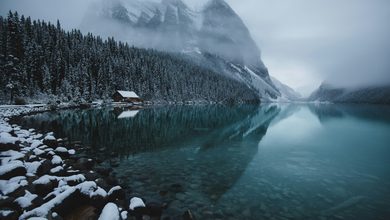
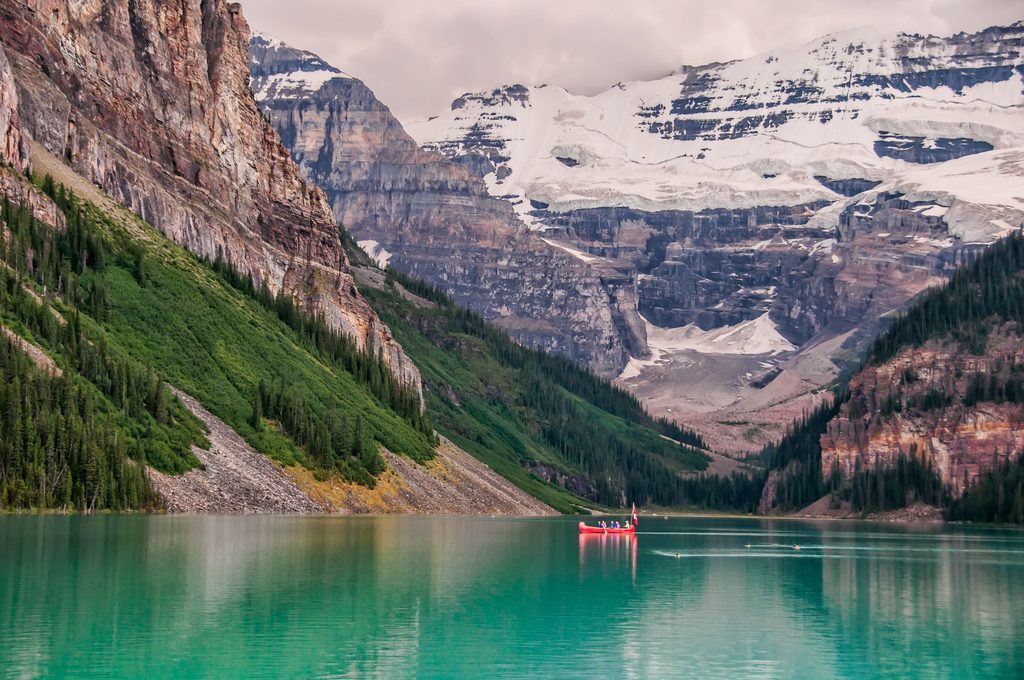
June to August are the most popular months for Canadian travel, offering the mildest, most reliable weather across Toronto, Vancouver, and Banff National Park in the Canadian Rockies. September is an underrated alternative, still offering good hiking conditions in the Rockies with noticeably fewer crowds. Winter is prime season specifically for skiing in Whistler and Banff, though it’s a very different kind of trip than a summer visit to the same destinations.
Best Time for a Ski Trip
December through March, with the specific window depending on elevation and location — Colorado’s higher-elevation resorts often see reliable snow into April, while lower-elevation resorts can have a shorter reliable season. Booking early in the season (December) generally offers lower prices than the President’s Day and spring break peak weeks in February and March.
Quick Reference: Best Months by Destination
| Destination | Best Months | What to Avoid |
|---|---|---|
| US National Parks | April–May, Sept–Oct | Peak summer crowds (June–Aug) |
| New York / Northeast | Sept–Nov, May–June | High summer humidity |
| Southern California | Year-round | N/A (mild climate) |
| San Francisco | Sept–Oct | June–August (fog) |
| Florida | December–April | June–November (hurricane season) |
| Canadian Rockies (hiking) | June–September | Winter (closed trails) |
| Ski resorts | December–March | Off-season (no snow) |
A Few Practical Tips
- Book national park lodges well ahead for the July-August peak, when the most popular in-park accommodation sells out months in advance.
- Consider shoulder seasons deliberately — late April to early June, and September into October, consistently offer a strong balance of good weather and thinner crowds across most of the continent.
- Check regional forecasts, not continent-wide averages. A “best time for North America” recommendation is only useful once narrowed to your specific destination, given how dramatically the climate shifts by latitude and elevation.
- Factor in hurricane season for Gulf Coast and Caribbean-adjacent travel, roughly June through November, when booking travel insurance with adequate coverage is a sensible precaution.
Frequently Asked Questions
Is there a single best month to visit all of North America? Not really, given the continent’s size — but late September comes close to a broad sweet spot, offering comfortable weather across the US national parks, the Northeast’s fall foliage, and Canada’s shoulder season, without yet hitting winter conditions anywhere major.
What’s the cheapest time to visit North America? Late autumn (excluding the Thanksgiving travel week) and January through March (outside ski season and spring break) typically offer the lowest flight and accommodation prices across most of the continent.
When should I visit North America to see fall foliage? Late September through late October, with timing varying by latitude and elevation — New England peaks earlier than the mid-Atlantic, and higher-elevation areas change color before lower valleys nearby.
Is summer really the best time to visit US national parks? It offers the most reliable weather and full facility access, but spring and autumn generally offer a better overall experience for travelers prioritizing wildlife visibility and smaller crowds over guaranteed warm weather.
Planning a specific North America trip? Check out our USA national parks road trip guide, or browse all our North America travel guides for more.