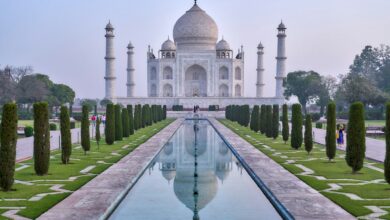
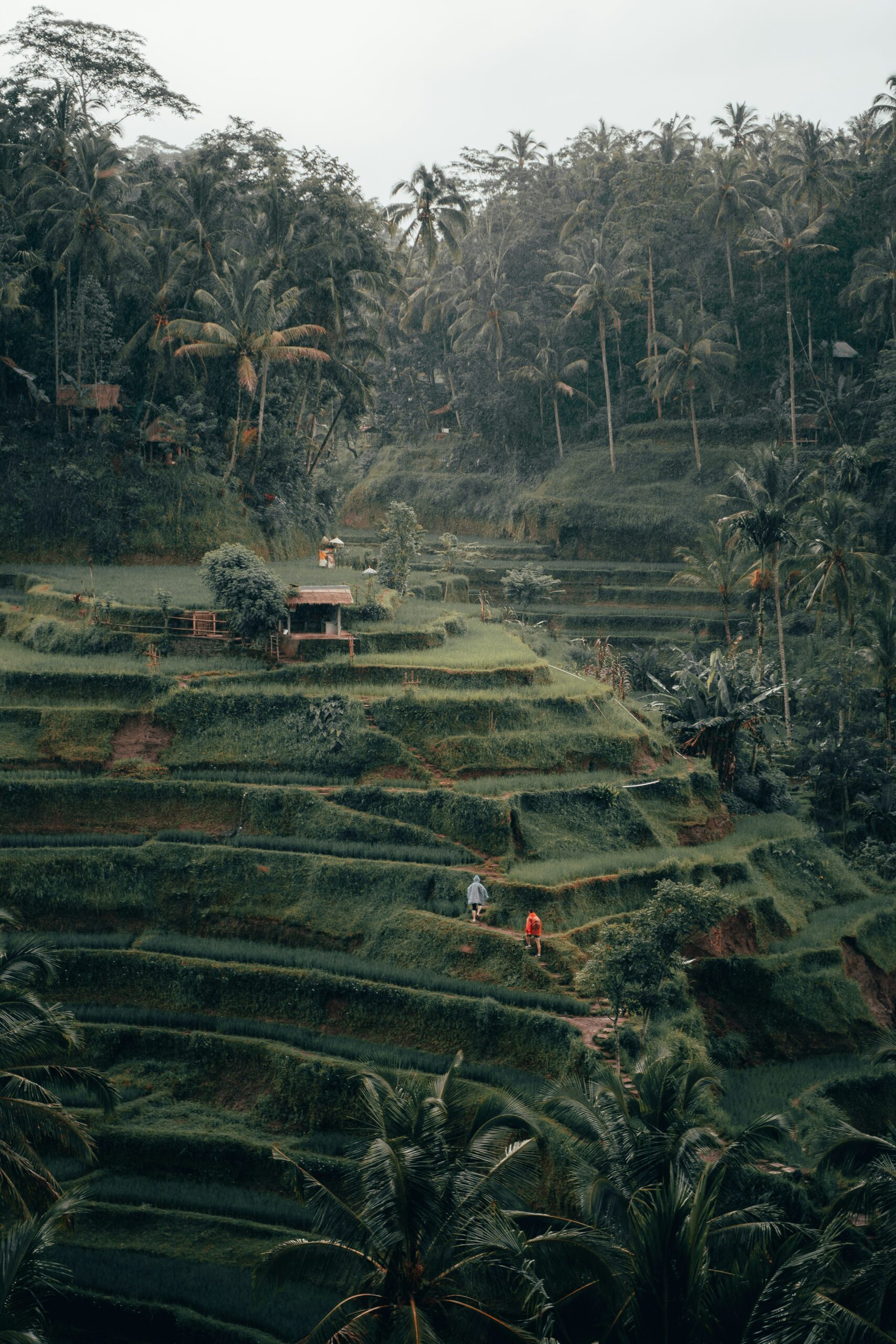

Asia is the largest continent on earth, spanning tropical islands, monsoon coastlines, temperate mountains, and four distinct seasons in the north — which means there’s no single answer to “when’s the best time to visit Asia.” The right month for a Bali beach trip can be exactly the wrong month for trekking in Nepal or chasing cherry blossoms in Japan. This guide breaks the continent down by region so you can match your trip to the right season, rather than guessing.
Why Asia Doesn’t Have One “Best” Season
Asia’s climate is shaped by two major forces: the monsoon systems that dominate South and Southeast Asia, and the temperate four-season pattern found further north in Japan, Korea, and northern China. Add the Himalayas and the equatorial belt running through Indonesia and Malaysia, and you end up with a continent where “summer” can mean scorching heat in one country and the ideal trekking window in another, at the exact same time of year.
Southeast Asia (Thailand, Vietnam, Cambodia, Philippines, Indonesia)
Southeast Asia runs on a monsoon calendar, broadly split into a dry season and a wet season, though the exact timing shifts depending on which side of the region you’re on.
- November to February (dry, cool season): The most popular window for Thailand, Vietnam, and Cambodia — comfortable temperatures, low humidity, and minimal rain. This is peak tourist season, so prices and crowds are both higher.
- March to May (hot season): Temperatures climb significantly, especially in Thailand and Cambodia, where this stretch can be genuinely uncomfortable for extended sightseeing. Coastal areas and islands remain more bearable thanks to sea breezes.
- June to October (wet season): Rain tends to come in short, intense downpours rather than all-day washouts, and many travelers find this an underrated time to visit — lush scenery, fewer crowds, and noticeably lower prices.
Bali and Indonesia largely follow the same dry-season logic, with April through October generally considered the best window, while the Philippines sees its own typhoon season roughly from June through November, making the December to May window the safer bet for island-hopping.
Japan
Japan’s four distinct seasons each offer a genuinely different trip.
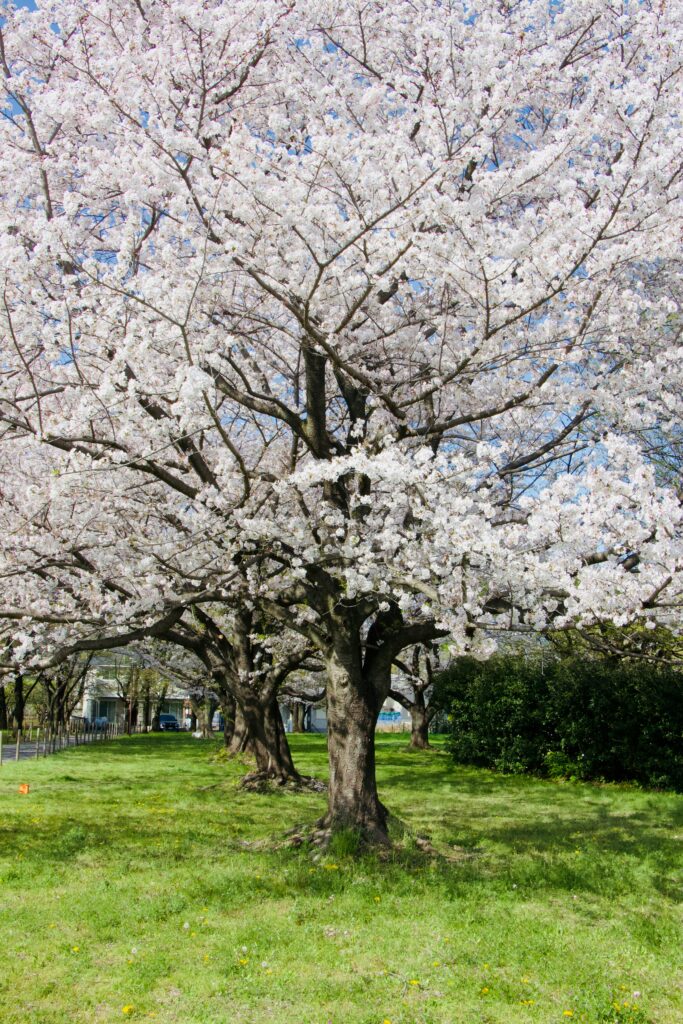
- Late March to April (cherry blossom season): Extremely popular and famously photogenic, though exact bloom dates shift year to year and are worth checking closer to your travel dates.
- October to November (autumn foliage): A quieter, equally beautiful alternative to spring, with crisp weather and dramatic fall colors, especially around Kyoto.
- June to mid-July (rainy season, tsuyu): Humid with frequent rain — not ideal for a first visit, though it’s when hydrangeas bloom across the country.
- August: Hot, humid, and the peak of summer festival season — worth it for the events, less so for comfortable sightseeing.
South Korea
South Korea follows a similar pattern to Japan, with spring (April–May) and autumn (September–November) offering the most comfortable weather and, in spring’s case, cherry blossoms of its own around Seoul and Jinhae.
India
India’s size means its climate genuinely varies by region, but as a general rule, October to March is the most comfortable window for most of the country, avoiding both the intense pre-monsoon heat (April–June) and the monsoon rains themselves (roughly June–September in most regions). The Himalayan north, including trekking regions, has its own separate window, typically best from March to June and September to November, avoiding both winter snow and the summer monsoon.
Vietnam
Vietnam’s long, narrow shape means the north and south often experience different weather at the same time. Northern Vietnam (Hanoi, Halong Bay) is best from October to April, while southern Vietnam (Ho Chi Minh City, the Mekong Delta) has a more consistent dry season from December to April. Central Vietnam (Hoi An, Hue) is best avoided from September to November, when it sees the heaviest rain and occasional typhoon activity.
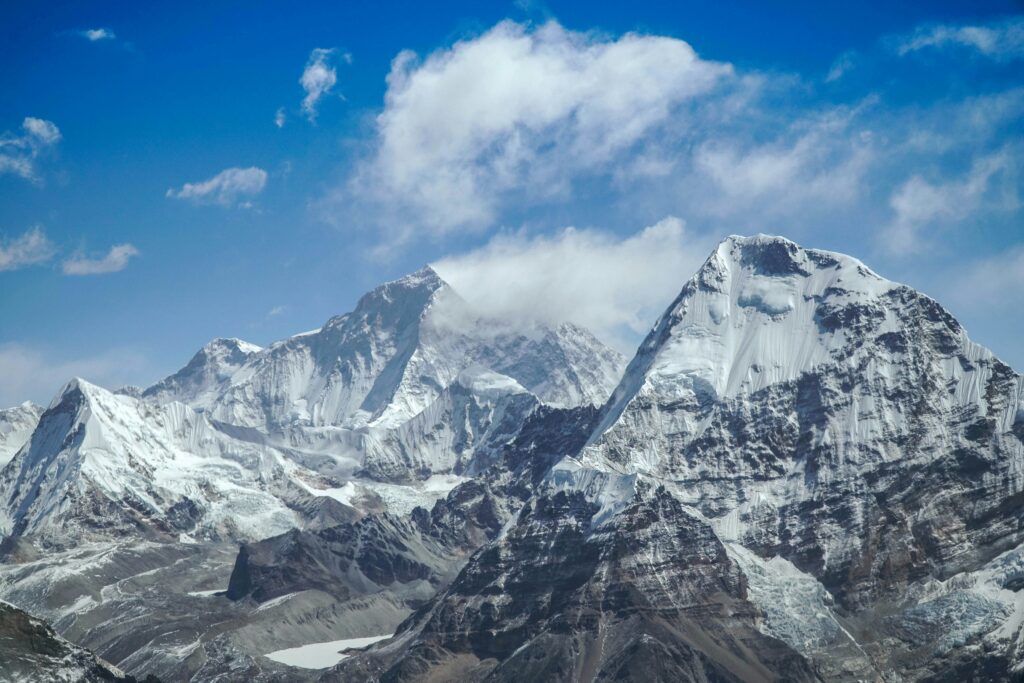
Nepal and the Himalayas
For trekking specifically, October to November and March to May are the two main windows — clear skies and stable weather define autumn, while spring brings rhododendron blooms alongside good visibility. The winter months bring heavy snow at higher elevations, and the summer monsoon (June–September) makes trails muddy and views frequently obscured by cloud cover.
Quick Reference: Best Months by Destination
| Destination | Best Months | What to Avoid |
|---|---|---|
| Thailand / Cambodia | November–February | March–May (extreme heat) |
| Bali | April–October | November–March (wet season) |
| Philippines | December–May | June–November (typhoon season) |
| Japan (cherry blossoms) | Late March–April | June–July (rainy season) |
| Japan (autumn foliage) | October–November | August (peak heat/humidity) |
| South Korea | April–May, Sept–Nov | Winter (very cold) |
| India (general) | October–March | April–June (extreme heat) |
| Northern Vietnam | October–April | May–September (hot, wet) |
| Nepal trekking | Oct–Nov, March–May | June–September (monsoon) |
A Few Practical Tips
- Book accommodation early for cherry blossom season in Japan — this is one of the most competitive travel windows on the continent, with rooms filling up months in advance.
- Consider shoulder seasons deliberately. Late September/early October and late April often strike a good balance across much of Asia — lower prices, fewer crowds, and generally workable weather.
- Check specific regional forecasts, not just country-wide averages. Countries like India, Vietnam, and Indonesia are large enough that weather can differ dramatically between regions at the same time of year.
- Pack for both heat and rain in Southeast Asia, regardless of season — even the “dry” season can bring the occasional downpour.
Frequently Asked Questions
Is there a single best month to visit all of Asia? Not really — the continent is too large and climatically diverse for one universal answer. Late autumn (October–November) comes closest to a sweet spot for the widest range of destinations, from Japan’s foliage to Southeast Asia’s dry season, but it’s still worth checking your specific destination.
What’s the cheapest time to visit Southeast Asia? The wet season (roughly June–October) typically sees the lowest prices, alongside fewer crowds — a reasonable trade-off for travelers who don’t mind occasional afternoon rain showers.
When is cherry blossom season in Japan? Generally late March through early April, though exact timing shifts year to year and varies by region — southern Japan blooms earlier than northern areas, and official forecasts are typically published a few weeks in advance.
Is monsoon season a bad time to visit Asia? Not necessarily — while it brings rain and can disrupt some outdoor plans, monsoon season also means fewer tourists, lower prices, and lush green landscapes that dry-season visitors miss entirely.
Planning a specific Asia trip? Check out our Japan travel guide and Thailand travel itinerary, or browse all our Asia travel guides for more.