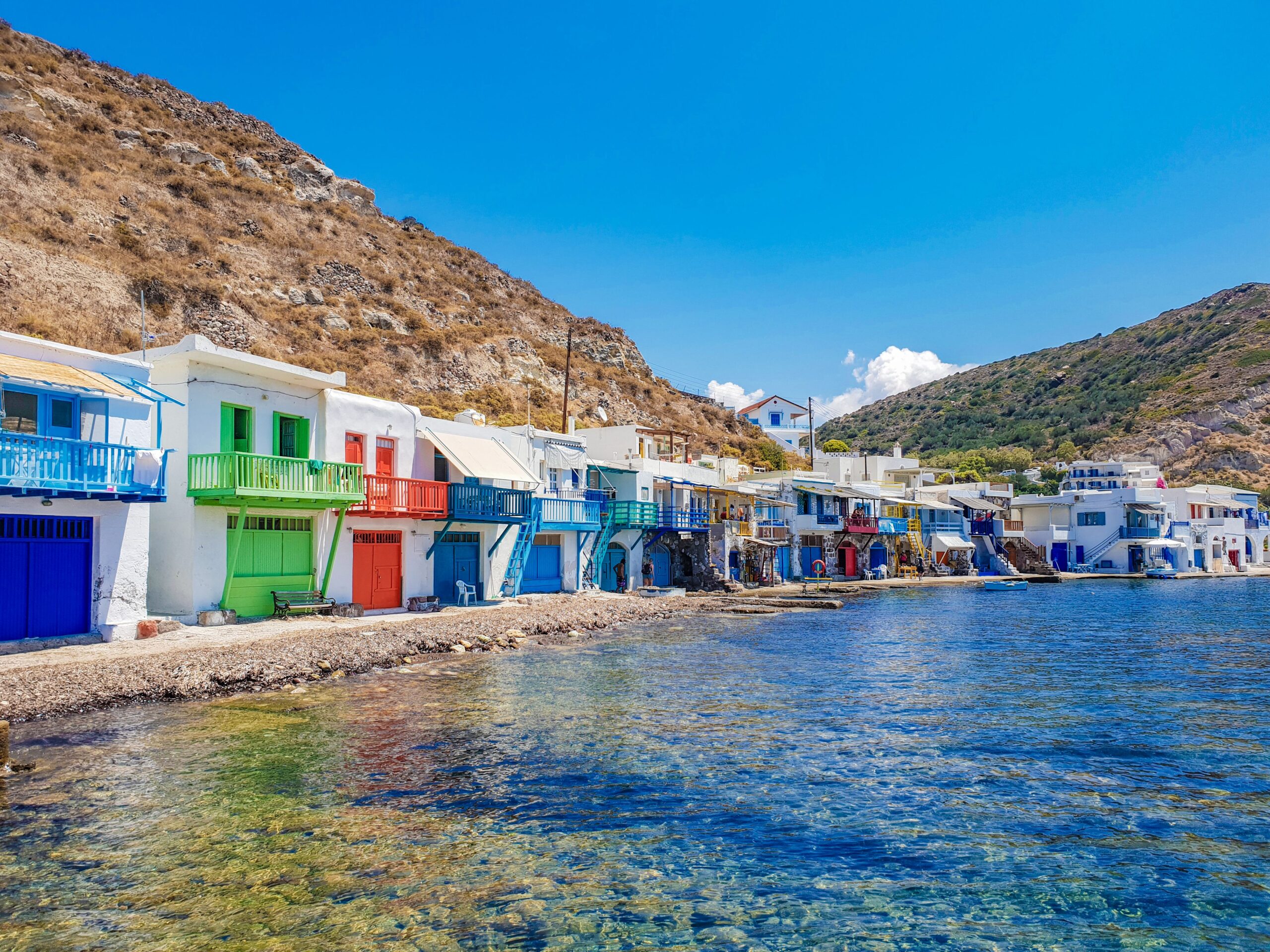

Greece has more than 200 inhabited islands, and picking between them can be genuinely overwhelming for a first visit. This Greek Islands guide narrows that down to the three most popular starting points — Santorini, Mykonos, and Crete — and explains what makes each one different, so you can build an itinerary around the kind of trip you actually want rather than just following whatever’s trending on social media.
Why These Three Islands
Santorini, Mykonos, and Crete cover distinctly different experiences within the Greek islands. Santorini is about dramatic caldera views and postcard sunsets. Mykonos is Greece’s most famous party and beach club destination, with a genuinely beautiful old town underneath the nightlife reputation. Crete, the largest of the three by far, offers a slower, more varied trip — mountains, archaeological sites, and beaches without the intensity of the other two. This Greek Islands guide treats them as three different answers to “what kind of Greek island trip do you want,” not as a ranked list.
Santorini: 2-3 Days
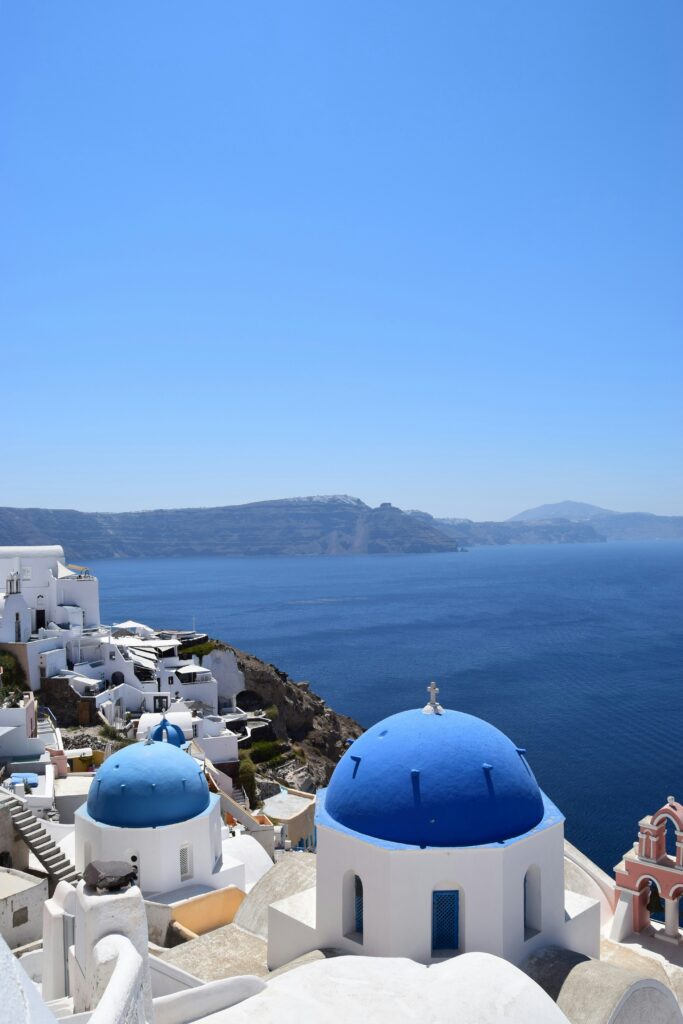
Santorini’s white-and-blue villages perched along a volcanic caldera are probably the single most recognizable image associated with Greece.
What to see:
- Oia — home to the famous blue-domed churches and the island’s most photographed sunset viewpoint, though it gets extremely crowded in the evening during peak season
- Fira — the island’s main town, with cliffside walkways, shops, and restaurants overlooking the caldera
- The caldera hike from Fira to Oia — a roughly 10km walk along the cliff edge, offering some of the best views on the island away from the busiest lookout points
- Red Beach and Perissa Beach — the island’s volcanic black and red sand beaches, a contrast to the whitewashed towns above
- A wine tasting — Santorini’s volcanic soil produces distinctive wines, and several wineries offer tastings with caldera views included
Two to three days is generally enough for Santorini, since the island is small and its main draws are concentrated in a few key areas.
Mykonos: 2-3 Days
Mykonos built its international reputation on beach clubs and nightlife, but its old town holds up entirely on its own merits.
What to see:
- Mykonos Town (Chora) — a maze of whitewashed streets, best explored on foot, with the iconic row of windmills overlooking the sea
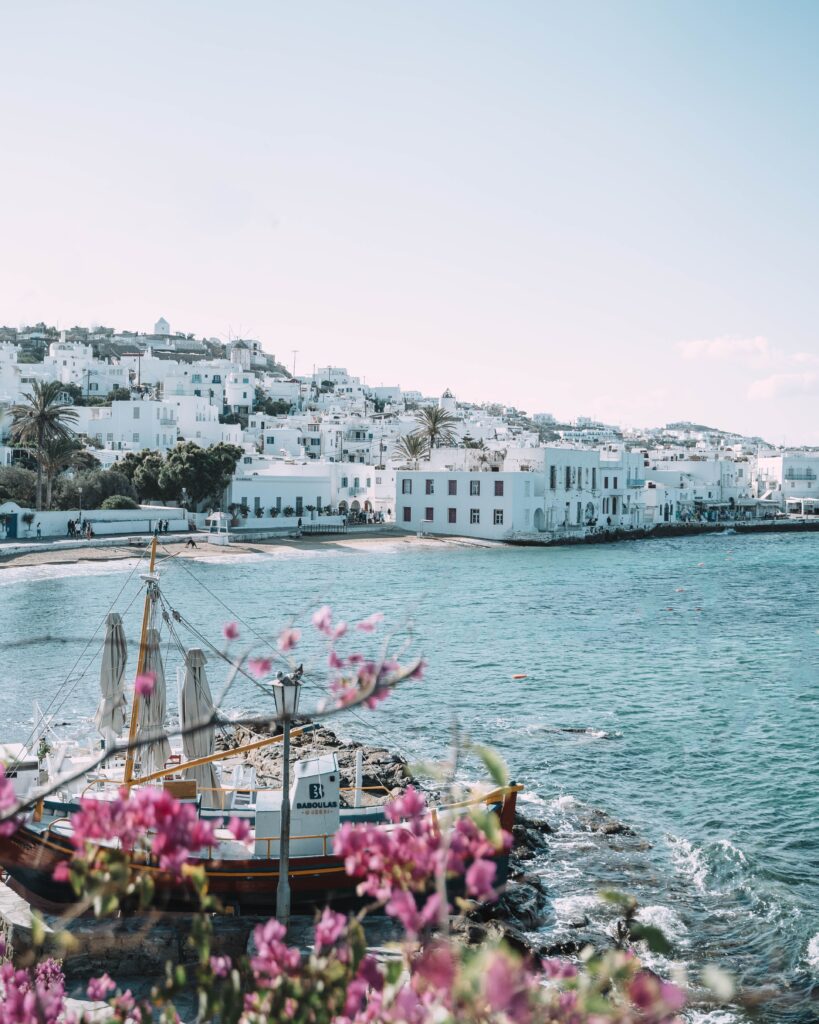
- Little Venice — a waterfront district with buildings built directly at the water’s edge, especially atmospheric at sunset
- Paradise and Super Paradise beaches — the island’s most famous beach club scenes, popular with a younger crowd
- Quieter beaches like Agios Sostis or Fokos — a genuine alternative for travelers who want Mykonos’s scenery without the beach club intensity
- Delos day trip — a short boat ride to this significant archaeological site, considered one of the most important in Greece, offering a very different pace from the rest of the island
Two to three days suits most visitors, and this island particularly rewards choosing accommodation based on whether you want to be near the nightlife or somewhere quieter.
Crete: 4-5 Days
Crete is Greece’s largest island and, in many ways, feels like its own self-contained country — mountains, gorges, ancient ruins, and a coastline long enough to offer real variety from town to town.
What to see:
- Knossos — the Minoan palace complex near Heraklion, one of the most significant archaeological sites in Europe
- Chania’s Old Town — a beautifully preserved Venetian harbor town, widely considered one of the most charming towns in Greece
- Samaria Gorge — one of the longest gorges in Europe, offering a genuine full-day hiking experience through dramatic scenery
- Elafonisi Beach — known for its pink-tinted sand and shallow, turquoise lagoon
- Rethymno — a smaller Venetian old town, a good base for exploring the island’s northern coast
Four to five days is a reasonable minimum for Crete given its size, and travelers with a full week can genuinely spread out across the island rather than basing in just one town.
Quick Comparison
| Island | Known For | Best For |
|---|---|---|
| Santorini | Caldera views, sunsets | Romantic trips, photography |
| Mykonos | Nightlife, beach clubs | Party atmosphere, luxury beach days |
| Crete | Size, variety, history | Longer stays, hiking, families |
Suggested 10-Day Itinerary
| Days | Location | Focus |
|---|---|---|
| 1-3 | Santorini | Oia, Fira, caldera hike |
| 4-6 | Mykonos | Old town, beaches, Delos |
| 7-10 | Crete | Knossos, Chania, Samaria Gorge |
Ferry connections between the islands are frequent in peak season, making this loop straightforward without needing to fly between each stop, though flights are also an option for travelers short on time.
Getting Around
- Between islands: High-speed ferries connect Santorini, Mykonos, and Crete, with journey times ranging from about 2 to 5 hours depending on the specific route and ferry type. Domestic flights are also available, particularly useful for the longer Crete leg.
- From Athens: All three islands are reachable by ferry from Athens’s port of Piraeus, or by short domestic flight (around 30-45 minutes) from Athens International Airport.
- Within each island: Rental cars or ATVs are common on Crete given its size, while Santorini and Mykonos are compact enough for local buses, taxis, or walking within the main towns.
When to Go
May, June, and September are widely considered the best months for a Greek Islands trip, offering warm, dry weather without the peak crowds and prices of July and August. July and August bring the most reliable sunshine and the liveliest atmosphere, particularly on Mykonos, but also the highest accommodation prices, the biggest crowds at Santorini’s sunset viewpoints, and occasionally strong winds (the meltemi) that can affect ferry schedules. April and October offer a quieter, more budget-friendly alternative, with slightly cooler but still generally pleasant weather, though some smaller businesses and beach clubs may have reduced hours outside the core season.
Practical Tips
- Book Santorini caldera-view accommodation well in advance — this is consistently the most expensive and limited category of lodging on any of these islands, particularly for peak season.
- Check ferry schedules for weather-related changes, especially in shoulder season, when the meltemi winds can delay or cancel sailings between islands.
- Rent a car on Crete — public transport exists but is limited, and the island’s size makes independent exploration significantly easier with your own vehicle.
- Pack comfortable walking shoes — all three islands, and Santorini and Crete in particular, involve a fair amount of walking on uneven, cobbled, or hilly terrain.
- Consider the order of your islands carefully — many travelers save Santorini for last, since its dramatic scenery makes for a memorable final stop, though this is entirely a matter of preference.
Frequently Asked Questions
Which Greek island should I visit if I can only pick one? It depends on what you’re after — Santorini for iconic views and romance, Mykonos for nightlife and beach clubs, or Crete for a longer, more varied trip with hiking and history. Many first-time visitors regret trying to cram all three into a very short trip rather than fully enjoying one or two.
How many days do you need for a Greek Islands trip covering all three? 9-10 days allows a reasonable pace across Santorini, Mykonos, and Crete. A shorter 6-7 day trip is workable if you focus on just two of the three islands.
Is Mykonos only about partying? No — while it’s known internationally for its nightlife, Mykonos Town’s old quarter and quieter beaches offer a genuinely different, calmer side that’s easy to find by choosing accommodation and beaches away from the main party areas.
Is Crete worth visiting if I’ve already seen Santorini and Mykonos? Yes — Crete’s scale and variety make it feel like a substantially different trip from the smaller islands, with archaeological sites, mountain villages, and gorge hiking that neither Santorini nor Mykonos really offers.
Planning more of your Europe trip? Check out our best time to visit Europe guide, or browse all our Europe travel guides for more.