
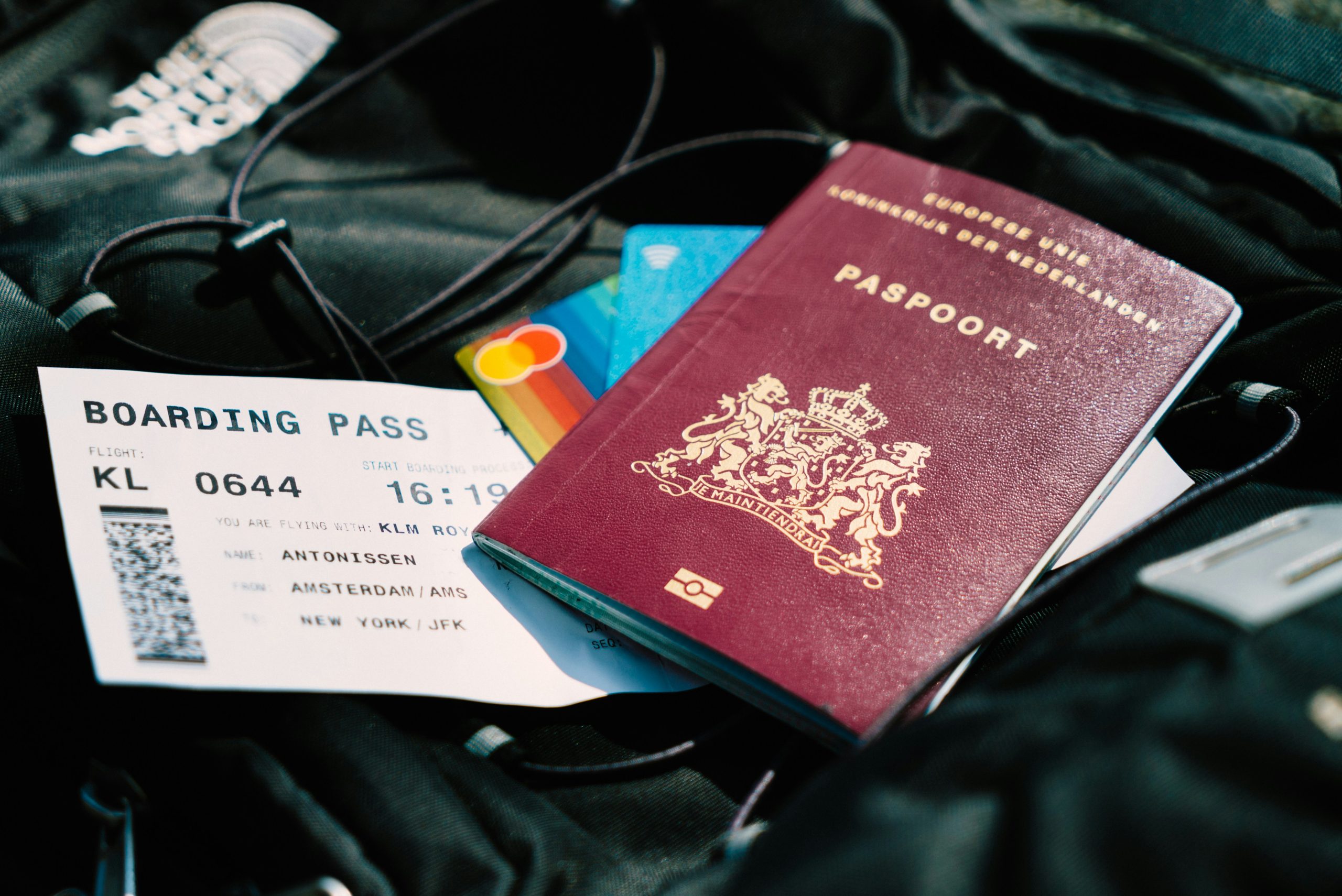

Planning a multi-country European trip means understanding one crucial piece of bureaucracy: the Schengen Area and its visa rules. This Schengen visa guide covers who actually needs a visa, how the application process works, the often-misunderstood 90/180-day rule, and the documents required to make an application go smoothly.
What the Schengen Area Actually Is
The Schengen Area is a group of European countries that have abolished passport and border controls at their mutual borders, functioning for travel purposes as a single territory. As of the current membership, it includes most of the European Union along with a few non-EU countries like Norway, Switzerland, and Iceland — but notably excludes the UK and Ireland, and includes some EU members still in the process of joining, so it’s worth checking current status rather than assuming EU membership automatically means Schengen membership.
Who Needs a Schengen Visa
Whether you need a visa depends entirely on your nationality. Citizens of the United States, Canada, the UK, Australia, and many other countries can enter the Schengen Area visa-free for tourism, business, or family visits, provided the stay fits within the 90/180-day rule explained below. Citizens of many other countries — a full list is maintained by the EU and does change periodically — do need to apply for a Schengen visa in advance.
The 90/180-Day Rule Explained
This is the single most misunderstood part of Schengen travel, so it’s worth explaining clearly. Visa-exempt travelers (and Schengen visa holders on a short-stay visa) can spend up to 90 days within any 180-day period across the entire Schengen Area combined — not 90 days per country. This means a trip to France, then a separate trip to Italy a few weeks later, both count toward the same 90-day allowance if they fall within the same rolling 180-day window.
The 180-day period is a rolling window, not a fixed calendar period — meaning the relevant 180 days are always the 180 days immediately preceding any given day of your trip, recalculated continuously. This trips up travelers more often than any other aspect of Schengen rules, particularly those trying to do repeated shorter visits rather than one longer trip.

How to Apply for a Schengen Visa
For travelers who do need a visa, the application process follows a fairly standard structure across Schengen member states:
- Determine which country’s embassy or consulate to apply through — generally, this is the country you’ll spend the most time in, or your first point of entry if time is split evenly.
- Gather required documents (detailed below) and complete the application form, typically available online through the relevant country’s visa portal or a designated visa application center.
- Book an appointment, ideally at least a few weeks ahead of your intended travel dates, since appointment availability varies significantly by country and season.
- Attend the appointment, which typically includes biometric data collection (fingerprints and a photo) alongside document review.
- Wait for processing, typically 15 calendar days under standard EU rules, though this can extend to 30 or even 60 days in some circumstances or during high-demand periods.
Documents Typically Required
- A valid passport, with at least three months’ validity remaining beyond your planned departure from the Schengen Area, and at least two blank pages
- A completed application form, signed and dated
- A recent passport photo meeting specific size and background requirements
- Proof of travel insurance covering medical emergencies for the duration of the trip, with minimum coverage requirements set by Schengen regulations
- Proof of accommodation for the full duration of the stay, such as hotel bookings or an invitation letter from a host
- Proof of sufficient funds to cover the trip, such as recent bank statements
- A travel itinerary, including round-trip flight reservations
- Proof of employment or student status, along with evidence of ties to your home country supporting your intent to return
Common Mistakes to Avoid
- Applying too early or too late. Most Schengen visa applications can only be submitted a maximum of six months (sometimes three) before travel, but leaving it until the last few weeks risks missing your trip entirely if processing takes longer than expected.
- Booking non-refundable flights before visa approval. Many experienced applicants book refundable or easily cancellable flights specifically to avoid this risk.
- Misunderstanding the 90/180 rule and accidentally overstaying by not accounting for previous Schengen trips within the same rolling window.
- Applying through the wrong country’s embassy when an itinerary spans multiple Schengen countries — this needs to be the “main destination” based on time spent or point of first entry, not simply whichever embassy is most convenient.
- Incomplete or inconsistent documentation — application forms and supporting documents (like hotel bookings and stated itinerary) need to align consistently, since discrepancies are a common reason for delays or refusals.

Special Cases Worth Knowing About
Multiple-entry visas: Frequent visitors to the Schengen Area may be eligible for multi-entry visas valid for one, three, or even five years, allowing multiple trips without reapplying each time, provided each individual stay still respects the 90/180-day limit.
Transiting through a Schengen airport: Even a layover without leaving the airport can, for some nationalities, require an Airport Transit Visa — a separate and distinct requirement from a standard Schengen visa, worth checking specifically if your itinerary includes a Schengen connection.
ETIAS (for visa-exempt travelers): Visa-exempt nationalities will eventually need to complete an ETIAS (European Travel Information and Authorization System) online registration before travel, similar to the US ESTA system — checking current implementation status before booking is worthwhile, as the rollout timeline has shifted multiple times.
Frequently Asked Questions
Does the 90-day Schengen limit apply per country or the whole area? The whole area combined — 90 days within any 180-day period applies across all Schengen countries together, not 90 days per individual country.
How far in advance should I apply for a Schengen visa? Most applicants apply 4-8 weeks before their trip, though the process can technically begin up to six months ahead for most application types. Processing itself typically takes about 15 calendar days, but building in a buffer for potential delays is wise.
Can I visit the UK as part of a Schengen trip without needing a separate visa? No — the UK is not part of the Schengen Area and maintains entirely separate entry requirements, so a Schengen visa does not cover UK entry, and vice versa.
What happens if I overstay my 90/180-day allowance? Overstaying can result in fines, deportation, and future entry bans to the Schengen Area, the length of which varies depending on the circumstances and the specific country involved. It’s a genuinely serious issue, not a minor technicality.
Planning more of your Europe trip? Check out our best time to visit Europe guide, or browse all our Europe travel guides for more.