
Europe is compact enough that a single trip can cross several countries, but that same compactness hides real climate variation — the weather that makes the Greek islands ideal in July is exactly what makes Rome uncomfortably crowded and hot at the same time. This guide breaks down the best time to visit Europe by season and by region, so you can match your trip to the right window rather than assuming the whole continent moves together.
Why Europe Doesn’t Move on One Calendar
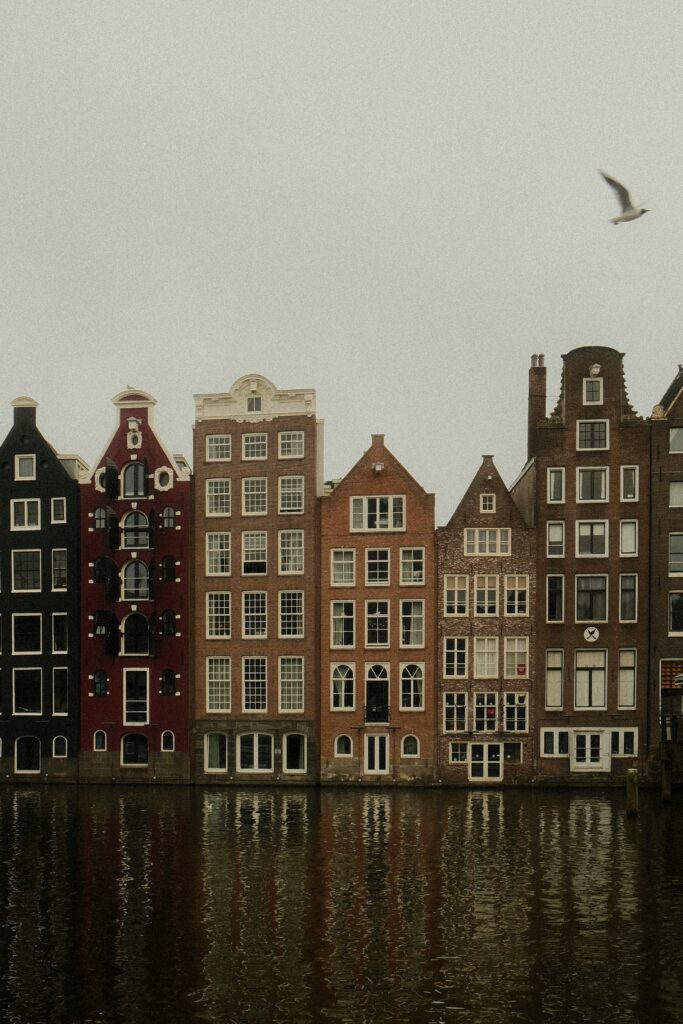
Europe stretches from the Mediterranean coast to the Arctic Circle, which means “summer” can mean very different things depending on where you are. Southern Europe follows a Mediterranean climate with hot, dry summers and mild winters. Western and Central Europe have a more temperate four-season pattern. Northern Europe’s summers are short and mild, with long daylight hours that make up for the brevity. Picking the best time to visit Europe really means picking the best time for your specific route.
Spring (March to May)
Spring is widely considered one of the best overall windows for Western and Southern Europe, offering a genuine sweet spot between winter’s cold and summer’s crowds.
- Western Europe (France, UK, Netherlands): Comfortable temperatures, blooming gardens (the Netherlands’ tulip season peaks in April), and noticeably thinner crowds than summer at major sites.
- Southern Europe (Italy, Spain, Greece): Warm but not yet scorching, ideal for city sightseeing in Rome, Barcelona, or Athens before the peak summer heat sets in.
- Late spring caveat: May can already bring the first waves of summer crowds to the most popular destinations, so early-to-mid spring tends to be the quieter option.
Summer (June to August)
Summer is peak season across virtually all of Europe, and for good reason — it’s when the weather is most reliably good almost everywhere, but that reliability comes with real trade-offs.
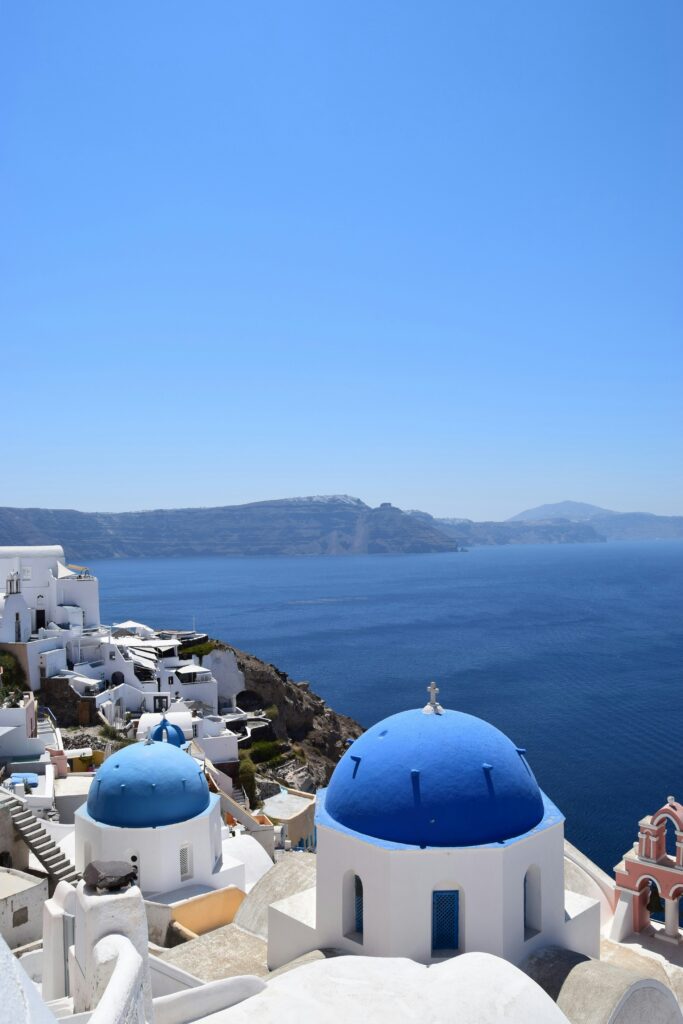
- Southern Europe: This is when Mediterranean destinations shine for beach time, but it’s also when cities like Rome, Venice, and Barcelona see their heaviest crowds and highest prices, along with genuinely uncomfortable heat in some inland areas.
- Northern Europe (Scandinavia, Iceland): Summer is actually the recommended season here, not despite the short season but because of it — long daylight hours (including near-midnight sun in the far north) and the mildest temperatures of the year.
- Western and Central Europe: Reliably warm and sunny, though also the most expensive and crowded time to visit major capitals.
Autumn (September to November)
Autumn mirrors spring as an underrated shoulder season, and many experienced European travelers consider it the best overall compromise.
- Southern Europe: September and early October retain much of summer’s warmth without the peak crowds, making this arguably the best window for the Mediterranean coast and islands.
- Western Europe: Crisp weather and golden foliage, particularly appealing for cities like Paris and London, alongside thinner crowds than summer.
- Late autumn caveat: By November, many destinations — especially in Northern and Central Europe — turn cold and grey, with shorter days cutting into sightseeing time.
Winter (December to February)
Winter divides Europe’s regions more sharply than any other season, and the right answer depends heavily on what kind of trip you want.
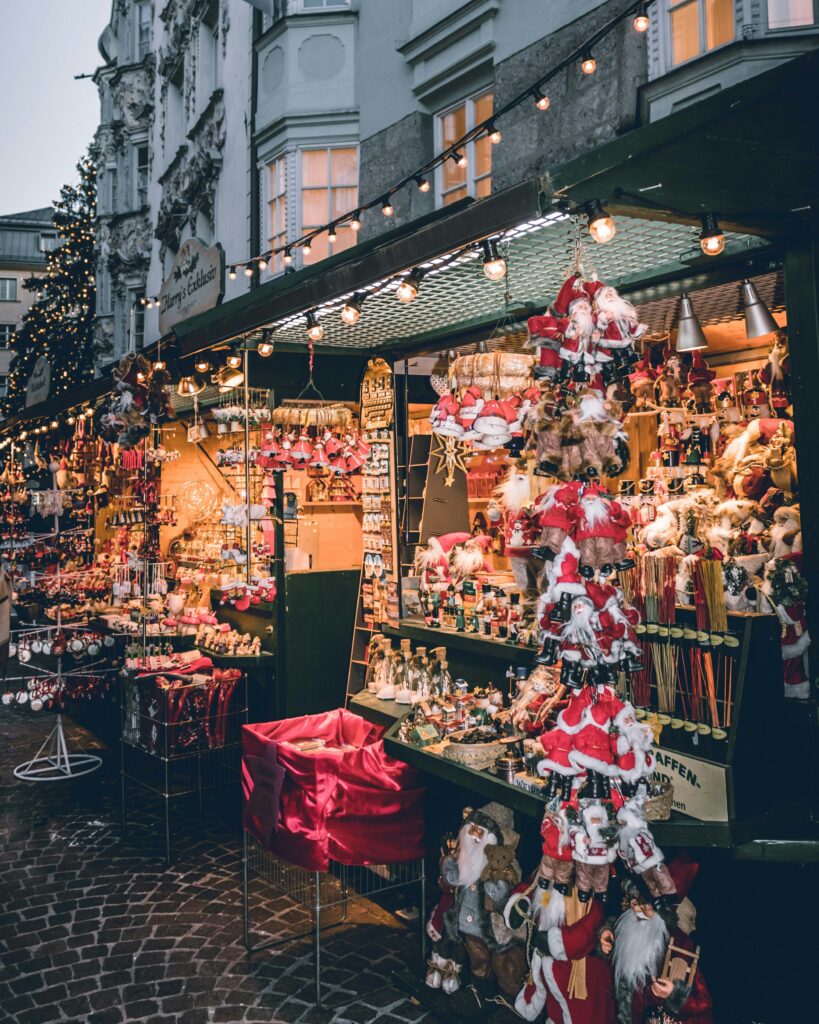
- Christmas markets (Germany, Austria, Central Europe): December brings one of Europe’s most beloved seasonal experiences, discussed in more detail in our dedicated Christmas markets guide.
- Ski destinations (the Alps): Winter is peak season for skiing in France, Switzerland, and Austria, with the season typically running from December through March depending on elevation and snowfall.
- Southern Europe: Mild by European standards, and a genuinely good time to visit cities like Rome or Lisbon without summer’s crowds, though shorter days and occasional rain are part of the trade-off.
- Northern Europe: This is when to go specifically for the Northern Lights in Iceland, Norway, or Finnish Lapland, though it comes with long, cold, dark days for general sightseeing.
Quick Reference: Best Months by Destination
| Destination | Best Months | What to Avoid |
|---|---|---|
| Paris / Western Europe | April–June, Sept–Oct | July–August (peak crowds) |
| Rome / Italy | April–May, Sept–Oct | July–August (heat, crowds) |
| Greek Islands | May–June, Sept | July–August (very crowded) |
| Spain (Barcelona/Madrid) | April–June, Sept–Oct | July–August (extreme heat) |
| Scandinavia | June–August | Winter (very short days) |
| Iceland (Northern Lights) | September–March | Summer (no darkness) |
| The Alps (skiing) | December–March | Summer (no snow) |
| Christmas Markets | Late Nov–December | Rest of the year (closed) |
A Few Practical Tips
- Book accommodation and flights well ahead for July and August, Europe’s undisputed peak season across nearly every region.
- Consider shoulder seasons deliberately. Late April to early June, and September into early October, consistently offer the best balance of good weather, manageable crowds, and reasonable prices across most of the continent.
- Check specific national holiday calendars. August in particular sees many European businesses close for extended holidays, especially in France and Italy, which can affect smaller-town sightseeing.
- Pack for regional variation, not a single “Europe” climate. A trip combining, say, Scandinavia and the Mediterranean in the same itinerary needs to account for genuinely different weather in each.
Frequently Asked Questions
Is there a single best month to visit all of Europe? Not really, given how climatically varied the continent is — but May and September come closest to a universal sweet spot, offering good weather and thinner crowds across most of Western and Southern Europe specifically.
What’s the cheapest time to visit Europe? Winter, outside of the Christmas market and ski seasons, typically offers the lowest flight and accommodation prices across most of the continent, alongside noticeably fewer tourists at major sites.
When should I visit Europe to avoid crowds? Shoulder seasons — April to early June, and September to October — consistently offer a good balance of manageable crowds and reliable weather, particularly at heavily visited sites like the Colosseum, the Eiffel Tower, and the Acropolis.
Is summer really too crowded to visit Europe’s major cities? It’s genuinely the busiest season, and popular sites can involve long queues and higher prices, but plenty of travelers still have great summer trips with some advance planning — booking tickets ahead of time and visiting popular attractions early in the day make a real difference.
Planning a specific Europe trip? Check out our Italy travel guide or browse all our Europe travel guides for more.