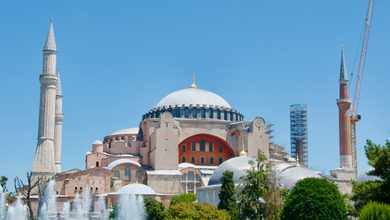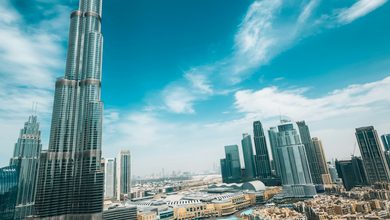
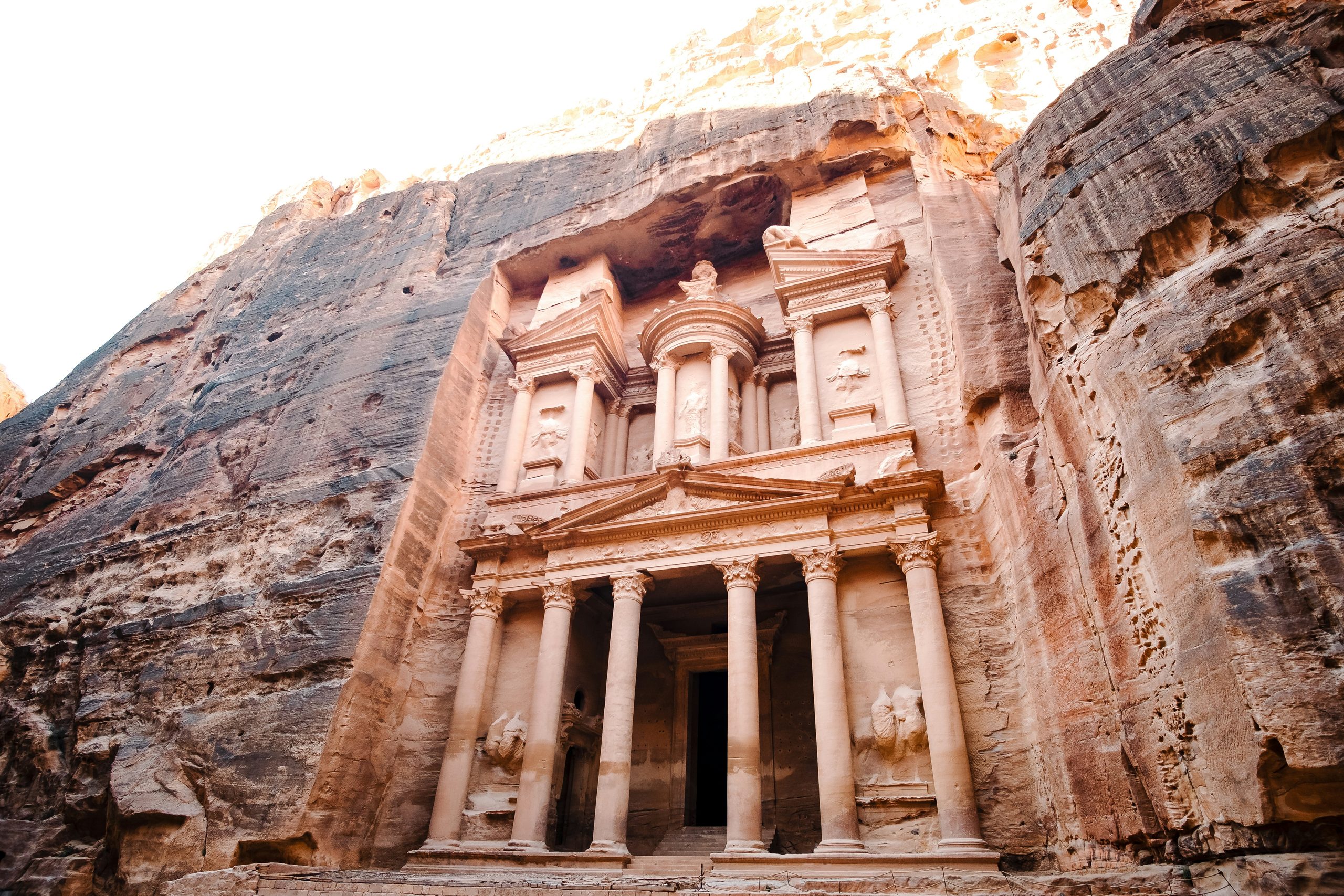

The Middle East runs almost entirely on a single climate rule: hot and dry, with the real question being how hot rather than if. But “the Middle East” covers everything from Dubai’s coastal humidity to Jordan’s high-desert chill at night, and the right time to go depends heavily on which specific country and site you’re planning around. This guide breaks that down properly — not just “spring and autumn are best” in general, but what that actually means for Petra, Dubai, Oman, and the rest of the region.
Why “Spring and Autumn” Isn’t a Complete Answer
Almost every general guide to the region lands on the same conclusion — visit in spring or autumn to avoid the summer heat. That’s true as a starting point, but it glosses over real differences: Dubai’s humidity peaks at a different time than Jordan’s dry heat, Oman’s coast behaves differently from its mountains, and some destinations (like Egypt’s Nile Valley) are genuinely pleasant in winter when Jordan’s desert nights are uncomfortably cold. This guide goes region by region instead of flattening the whole Middle East into one recommendation.
Best Time to Visit Petra and Jordan
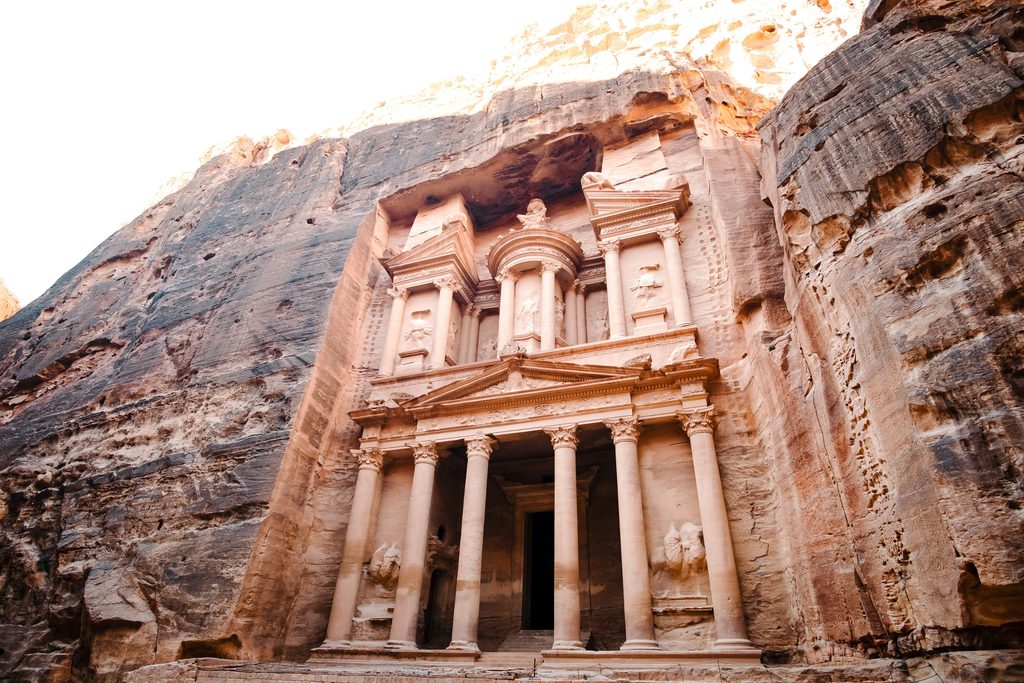
Petra sits at roughly 950 meters elevation, which keeps it noticeably cooler than Jordan’s desert lowlands or the Dead Sea basin. March to May and September to November are the best windows — daytime temperatures around 20-25°C (68-77°F) make the walk to the Treasury and the wider Petra site genuinely comfortable. Summer (June-August) pushes temperatures into the mid-30s°C, and while the site stays open, midday sightseeing becomes genuinely draining. Winter is Petra’s quiet season — crisp, sunny days are common, but occasional rain can temporarily close the Siq for flash-flood safety, and desert nights can dip close to freezing.
Wadi Rum, Jordan’s desert valley, follows a similar pattern to Petra but swings even further at night — summer days are hot, but the desert cools dramatically after sunset year-round, so an overnight desert camp stay rewards packing warm layers regardless of season.
Best Time to Visit Dubai and Abu Dhabi
The UAE’s coastal cities run on a different rhythm than Jordan’s high desert. November through March is the clear high season — daytime temperatures sit in a comfortable 24-30°C (75-86°F) range, making outdoor activities like desert safaris, beach time, and rooftop dining genuinely enjoyable. From May through September, Dubai and Abu Dhabi become extremely hot and humid, often exceeding 40°C (104°F) with high coastal humidity that makes it feel even hotter — this is when most outdoor tourism activity pauses in favor of indoor malls, aquariums, and air-conditioned attractions.

Best Time to Visit Oman
Oman’s geography splits its climate more than most countries on this list. Muscat and the northern coast are best from October to April, avoiding the intense summer heat. Salalah, in the south, flips this pattern entirely — thanks to the khareef (monsoon) season roughly from June to September, Salalah turns lush and green while the rest of the Gulf bakes, making it one of the only genuinely cool, misty destinations in the entire region during peak Northern Hemisphere summer.
Best Time to Visit Saudi Arabia (Riyadh and AlUla)
Saudi Arabia’s rapidly growing tourism scene, particularly around AlUla and Riyadh, follows the region’s standard pattern: November to March brings the most comfortable temperatures for exploring AlUla’s rock formations and archaeological sites, while summer heat in Riyadh and the interior can be genuinely extreme, regularly exceeding 45°C (113°F).
Best Time to Visit Egypt’s Nile Valley
Egypt splits from the rest of this list slightly, since its Nile Valley sites (Luxor, Aswan, Cairo) are comfortably explorable through a longer window. October to April is ideal, with winter months bringing pleasantly mild days and cool evenings — genuinely different from Jordan’s cold desert nights at the same time of year, thanks to the Nile Valley’s lower elevation and more moderate winter climate.
Quick Reference: Best Months by Destination
| Destination | Best Months | What to Avoid |
|---|---|---|
| Petra / Jordan | March–May, Sept–Nov | June–August (heat), winter rain closures |
| Dubai / Abu Dhabi | November–March | May–September (extreme heat/humidity) |
| Oman (Muscat) | October–April | June–August |
| Oman (Salalah) | June–September (khareef) | Rest of year is dry, less green |
| Saudi Arabia (AlUla, Riyadh) | November–March | June–August (extreme heat) |
| Egypt (Nile Valley) | October–April | June–August |
Visiting During Ramadan
Ramadan’s timing shifts each year according to the lunar calendar, and it affects the whole region — many restaurants adjust hours, some attractions have modified schedules, and the atmosphere shifts noticeably, especially in the evenings around iftar. It’s not a reason to avoid the region entirely; many travelers find the evening atmosphere during Ramadan genuinely memorable, but checking specific opening hours and dining availability for your planned dates is worth doing ahead of time.
Practical Tips
- Layer for temperature swings, especially in Jordan and Oman’s interior, where desert nights can be dramatically colder than daytime highs regardless of season.
- Book desert camps and Petra-area accommodation well ahead for the March-May and September-November peak windows, when demand is highest.
- Check Ramadan dates for your travel year specifically, since the shift each year can change what to expect from daily schedules.
- Consider Salalah specifically for a summer Gulf trip — it’s one of the only destinations in the region where June through September brings cooler, greener conditions rather than extreme heat.
- Pack sun protection seriously for desert destinations year-round, even in the cooler months, since UV exposure at these latitudes remains strong.
Frequently Asked Questions
What is the single best month to visit the Middle East overall? There isn’t one universal answer, but late October and November come closest to a sweet spot across Jordan, the UAE, Saudi Arabia, and Egypt simultaneously, avoiding both summer heat and winter’s occasional Jordan desert cold.
Is it too hot to visit Dubai in summer? For outdoor activities, yes — temperatures and humidity both peak from May through September. Many visitors still come for indoor attractions and shopping, often taking advantage of lower off-season hotel rates.
When is the best time to see Petra without crowds? Winter (December-February) offers the thinnest crowds, with cooler but generally clear days, though it comes with a chance of rain and cold nights. Early morning visits (right at the 6am opening) minimize crowds in any season.
Is Oman’s Salalah really cooler in summer than the rest of the Gulf? Yes — genuinely so. The khareef monsoon season transforms Salalah into a lush, misty destination with noticeably cooler temperatures from roughly June through September, the exact opposite of what’s happening in Dubai or Riyadh at the same time.
Planning a specific Middle East trip? Check out our Dubai and Abu Dhabi travel guide and Jordan travel guide, or browse all our Middle East travel guides for more.