
Saudi Arabia only opened to international tourists in 2019, which makes this Saudi Arabia tourism guide cover genuinely new ground — ancient Nabataean tombs that predate mass tourism entirely, a rapidly modernizing capital, and an ambitious Red Sea luxury coastline still being built out. This guide covers the country’s three headline destinations and what a first trip actually looks like.
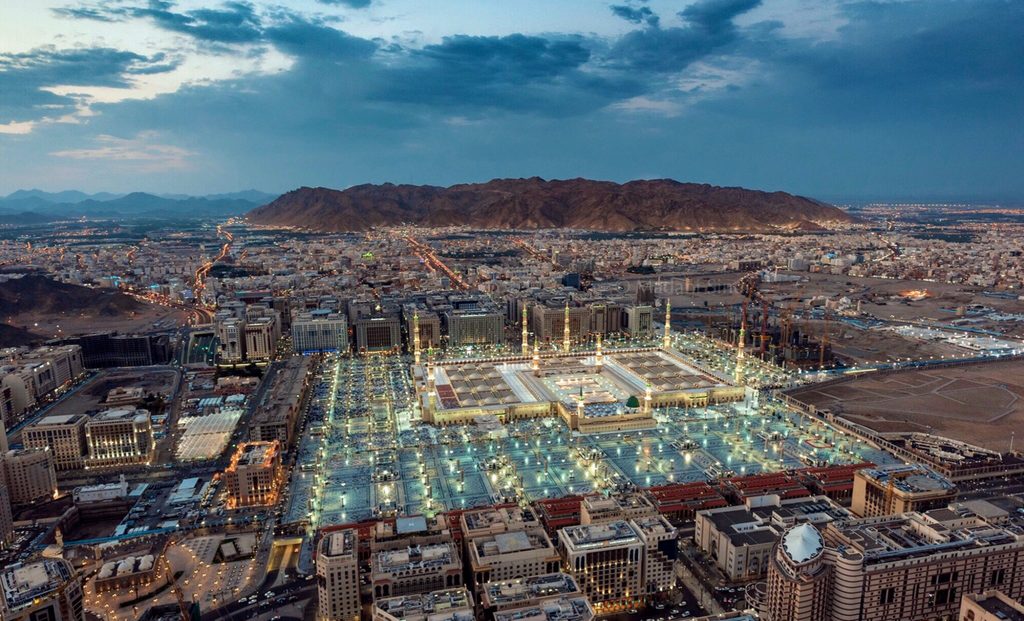
Why Saudi Arabia Is Suddenly on So Many Travel Lists
Saudi Arabia’s tourism sector is one of the fastest-growing in the world, driven by the government’s Vision 2030 program, which has set an ambitious target of 150 million annual visitors. AlUla, Riyadh, and the Red Sea coast represent the three pillars of that push — heritage tourism, a modernizing capital city, and luxury coastal development — and together they give a genuine sense of a country still actively defining its tourism identity, rather than one that’s been on the international circuit for decades.
AlUla: 3 Days
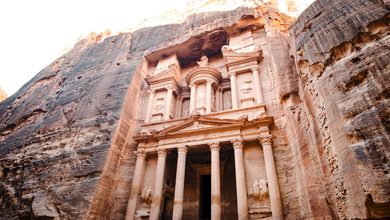
AlUla is, for most visitors, the single biggest draw in this Saudi Arabia tourism guide — an oasis valley holding Hegra, the country’s first UNESCO World Heritage Site and often described as a second Petra, carved by the same Nabataean civilization.
What to see:
- Hegra (Mada’in Salih) — over 100 monumental tombs carved into sandstone outcrops, remarkably preserved and far less visited than Jordan’s Petra
- Elephant Rock (Jabal Al-Fil) — a striking natural rock formation resembling an elephant, especially dramatic at sunset
- AlUla Old Town — a historic mudbrick settlement, now restored with shops, cafés, and cultural exhibits
- Dadan and Jabal Ikmah — an ancient city and an “open-air library” of inscriptions predating Hegra by centuries
- Hot air balloon rides and desert safaris — increasingly popular ways to experience AlUla’s canyon and oasis landscape from above or by 4×4
Three days allows a comfortable pace across Hegra, the Old Town, and at least one landscape-focused excursion like a balloon ride or desert drive.
Riyadh: 2-3 Days
The capital combines a fast-modernizing skyline with historic districts that tell the story of the Saudi state’s founding.
What to see:
- Diriyah — the birthplace of the first Saudi state, now an extensively restored historic district with mudbrick architecture, museums, and dining
- Masmak Fortress — a 19th-century clay fortress central to Saudi Arabia’s founding history
- Kingdom Centre Tower — offering panoramic views over Riyadh from its distinctive sky bridge
- Edge of the World (Jebel Fihrayn) — a dramatic escarpment a couple of hours outside the city, popular for hiking and sunset views over the desert
- National Museum of Saudi Arabia — a strong overview of the country’s history and culture, useful early in a trip for context
Two to three days covers Riyadh’s core sights, particularly if the Edge of the World is included as a half-day excursion.
The Red Sea Project: 2-3 Days
Still under active development as part of Vision 2030, the Red Sea coast is being positioned as a high-end island and coastal resort destination, with several properties now open to visitors.
What to expect:
- Private island resorts — several luxury properties have opened along the coast and surrounding islands, emphasizing sustainability alongside high-end amenities
- Diving and snorkeling — the Red Sea’s coral reefs rank among the least-disturbed in the world, given the region’s limited tourism history until recently
- A genuinely different pace — most Red Sea Project accommodation leans toward relaxation and marine activities rather than the cultural sightseeing that defines AlUla and Riyadh
This leg of a Saudi Arabia trip suits travelers looking to end an otherwise history- and culture-heavy itinerary with a few days of coastal relaxation.
Suggested 8-Day Itinerary
| Days | Location | Focus |
|---|---|---|
| 1-3 | Riyadh | Diriyah, Masmak Fortress, Edge of the World |
| 4 | Travel to AlUla | Domestic flight |
| 5-6 | AlUla | Hegra, Old Town, desert excursion |
| 7-8 | Red Sea coast | Resort stay, diving/snorkeling |
Travelers with more time often add Jeddah, known for its restored Al-Balad old town and Red Sea waterfront, as a natural stop between Riyadh and the coast.
Getting Around
- Domestic flights connect Riyadh, AlUla, and the Red Sea Project’s gateway airports, and are the most practical way to cover the country’s considerable distances.
- AlUla International Airport has expanded international and domestic connections in recent years, making direct arrival increasingly common rather than routing through Riyadh or Jeddah first.
- Rental cars are a reasonable option for exploring within Riyadh or around AlUla specifically, though long-distance travel between regions is generally faster by air.
When to Go
October to March is the clear consensus window across this entire Saudi Arabia tourism guide — daytime temperatures across Riyadh and AlUla stay comfortable for outdoor exploration, particularly important for Hegra’s exposed tomb sites and any desert excursions. April to September brings intense heat, especially in Riyadh’s interior desert climate, where summer temperatures regularly exceed 40°C (104°F), making extended outdoor sightseeing genuinely difficult. The Red Sea coast is somewhat more forgiving year-round thanks to sea breezes, though the cooler months remain preferable even there.
Practical Tips
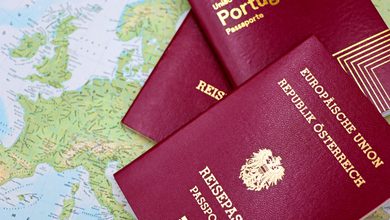
- Apply for an e-visa in advance — most nationalities can now obtain one online, part of the country’s broader push to simplify tourist entry.
- Dress modestly in public, particularly for women — loose, non-revealing clothing is expected, though the specific requirements have relaxed considerably since tourism opened in 2019; checking current guidance before travel is worthwhile.
- Alcohol is not available anywhere in Saudi Arabia, a genuinely different consideration from neighboring UAE for travelers used to licensed hotel bars.
- Friday is the primary day off, and some businesses adjust hours accordingly, particularly around prayer times throughout the day.
- Book AlUla accommodation well ahead during the cooler peak season, since capacity remains more limited than in more established destinations.
Frequently Asked Questions
How many days do you need for a Saudi Arabia tourism trip? 8-10 days allows a comfortable pace covering Riyadh, AlUla, and a Red Sea coastal stay. A shorter 5-6 day trip is workable focusing on just Riyadh and AlUla.
Is Hegra really comparable to Petra? Both were built by the same Nabataean civilization and share architectural similarities, but Hegra sees far fewer visitors, offering a notably quieter, less crowded experience of similar tomb facades carved into sandstone.
Do I need a visa to visit Saudi Arabia as a tourist? Most nationalities can apply for an e-visa online, part of the country’s tourism expansion since 2019 — checking current eligibility and requirements for your specific passport before booking is essential, since the policy remains relatively new and continues to evolve.
Is the Red Sea Project fully open to visitors yet? Several properties are open and welcoming guests, though the wider project remains under active development — checking current resort availability directly is worthwhile when planning this leg of a trip.
Planning more of your Middle East trip? Check out our best time to visit the Middle East guide, or browse all our Middle East travel guides for more.