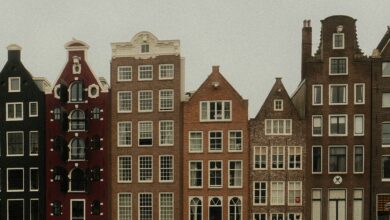

Western European capitals get most of the attention, but they’re also where a European trip gets expensive fast. The good news is that plenty of the continent remains genuinely affordable, and even the pricier countries have real ways to cut costs without gutting the experience. This guide covers the cheapest countries in Europe to visit, along with practical strategies for stretching a budget anywhere on the continent.

Why Some Countries Cost Less Than Others
Europe’s cost differences come down mainly to two things: whether a country uses the euro (and how strong its broader cost of living is) and how developed its tourism industry has become. Eastern and Southeastern European countries generally offer the strongest value, since they combine lower baseline living costs with tourism infrastructure that, in many cases, hasn’t yet driven prices up to Western European levels.
The Cheapest Countries in Europe
- Albania: Genuinely one of the best-value destinations on the continent, with a dramatic coastline along the Albanian Riviera, affordable cities, and a tourism scene still considerably less developed (and less expensive) than neighboring Croatia or Montenegro.
- North Macedonia: Lake Ohrid, a UNESCO World Heritage site, along with the capital Skopje, offer strong value with minimal crowds.
- Bulgaria: Sofia, Plovdiv, and the Black Sea coast all deliver a lot for the money, alongside excellent hiking in the Rila and Pirin mountains.
- Romania: Bucharest, Transylvania’s castles, and the Carpathian Mountains offer a strong mix of culture and scenery at some of the lowest prices in the EU.
- Serbia: Belgrade’s nightlife and history come at a fraction of Western European capital prices, and the rest of the country remains largely undiscovered by mass tourism.
- Bosnia and Herzegovina: Sarajevo and Mostar combine complex, compelling history with genuinely low day-to-day costs.
- Poland: Krakow and Warsaw both offer strong value relative to their Western European counterparts, with excellent food and well-preserved historic centers.
- Hungary: Budapest remains one of the best-value major European capitals, with thermal baths and grand architecture at a fraction of Vienna’s prices.
Budget-Friendly Options Among the “Expensive” Countries
Not every affordable trip requires avoiding Western Europe entirely — some countries offer real value if you know where to look.
- Portugal: Consistently one of the cheapest countries in Western Europe, with Lisbon and Porto both offering excellent value compared to Spain or France.
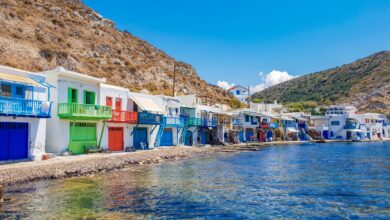
- Greece: Outside peak summer season and away from the most Instagram-famous islands, mainland Greece and lesser-known islands remain genuinely affordable.
- Spain: Particularly outside Barcelona and Madrid, smaller cities and the interior offer noticeably lower prices than the coastal hotspots.
How to Cut Costs Anywhere in Europe
Even in pricier countries, several strategies make a real difference to overall trip cost.
Travel in shoulder or off-season. April-May and September-October typically offer meaningfully lower accommodation and flight prices than the July-August peak, alongside thinner crowds.
Use budget airlines strategically. Carriers like Ryanair, Wizz Air, and easyJet offer genuinely cheap fares across the continent, though it’s worth factoring in baggage fees and often-inconvenient secondary airports when comparing total cost.
Stay in hostels or guesthouses rather than hotels. Europe’s hostel network is extensive and generally well-regarded for quality, not just price, particularly in cities with strong backpacker traffic like Budapest, Krakow, and Lisbon.
Cook some of your own meals. Hostels and budget apartments with kitchen access allow for at least some self-catering, which adds up over a longer trip.
Use city tourist cards where they make sense. Many major European cities offer multi-attraction passes that bundle public transport and entry fees — worth calculating against your specific planned itinerary rather than assuming they’re always the better deal.
Book long-distance trains and buses in advance. European rail prices, particularly for high-speed routes, rise significantly closer to departure, similar to airline pricing.
A Realistic Budget Comparison
As a rough illustration (costs shift with season and exchange rates), a backpacker-style trip through Eastern and Southeastern Europe — hostels, local transport, and self-catering some meals — tends to run at a fraction of the daily cost of an equivalent trip through Western European capitals using hotels and restaurants for every meal. The gap narrows considerably if the Western European leg leans into the same budget strategies (hostels, cooking, off-peak travel), but the baseline cost of living difference between, say, Bucharest and Paris remains substantial regardless of travel style.
Getting Around on a Budget
- Long-distance buses (FlixBus and similar operators) connect much of the continent at prices well below equivalent train fares, though journeys take considerably longer.
- Regional and slower trains cost meaningfully less than high-speed options, and can be a reasonable trade-off for travelers with more time than money.
- Ride-sharing platforms popular in parts of continental Europe offer another budget alternative for medium-distance travel between cities.
- Walking and public transport within cities — most European city centers are highly walkable, and public transport passes are almost always cheaper than relying on taxis or ride-hailing apps.
Suggested Budget-Friendly Route: The Balkans
For travelers specifically prioritizing value, a Balkans-focused route — Belgrade, Sarajevo, Mostar, and the Albanian coast — delivers dramatic scenery, deep history, and some of the lowest costs on the continent, connected by an increasingly well-developed (if not always fast) bus network.
When to Go for the Best Value
April-May and September-October offer the best combination of good weather and lower prices across nearly all of Europe, avoiding the July-August peak that drives up accommodation and flight costs continent-wide. Winter (excluding the Christmas market period) offers the lowest prices of all, particularly in Western European cities, for travelers willing to trade warm weather for savings.
Practical Tips
- Set a daily budget before booking anything, and let it guide destination choices rather than deciding on cities first and hoping the budget works out.
- Check visa and entry requirements for non-EU Balkan countries specifically — Albania, North Macedonia, Serbia, and Bosnia and Herzegovina sit outside the Schengen Area, with their own separate entry rules.
- Compare total trip cost, not just headline flight prices, particularly with budget airlines that add fees for baggage, seat selection, and even printing boarding passes at some airports.
- Look into free walking tours, widely available in most major European cities and operating on a tip-based model, as an affordable way to get oriented and learn local history.
- Travel with a reusable water bottle and snacks for long bus or train journeys, since on-board or station food is almost always priced at a premium.
Frequently Asked Questions
What is the cheapest country to visit in Europe? Albania and North Macedonia are consistently among the cheapest, offering dramatic scenery and rich history at some of the lowest costs on the continent, alongside less-developed tourism infrastructure than their Adriatic neighbors.
Can Western Europe be visited on a tight budget? Yes, with the right strategies — off-peak travel, hostels, budget airlines, and self-catering all meaningfully reduce costs even in cities like Paris or Amsterdam, though the baseline cost of living remains higher than in Eastern or Southeastern Europe.
Is it cheaper to travel Europe by train or bus? Buses are almost always cheaper than trains for the same route, particularly for longer distances, though trains offer more comfort and considerably shorter journey times.
Are the cheapest countries in Europe safe to visit? Generally yes — countries like Albania, Serbia, and Bosnia and Herzegovina all see growing numbers of international visitors and have developing but functional tourism infrastructure. As with any destination, checking current travel advisories before booking is a sensible habit.
Planning more of your Europe trip? Check out our best time to visit Europe guide, or browse all our Europe travel guides for more.