
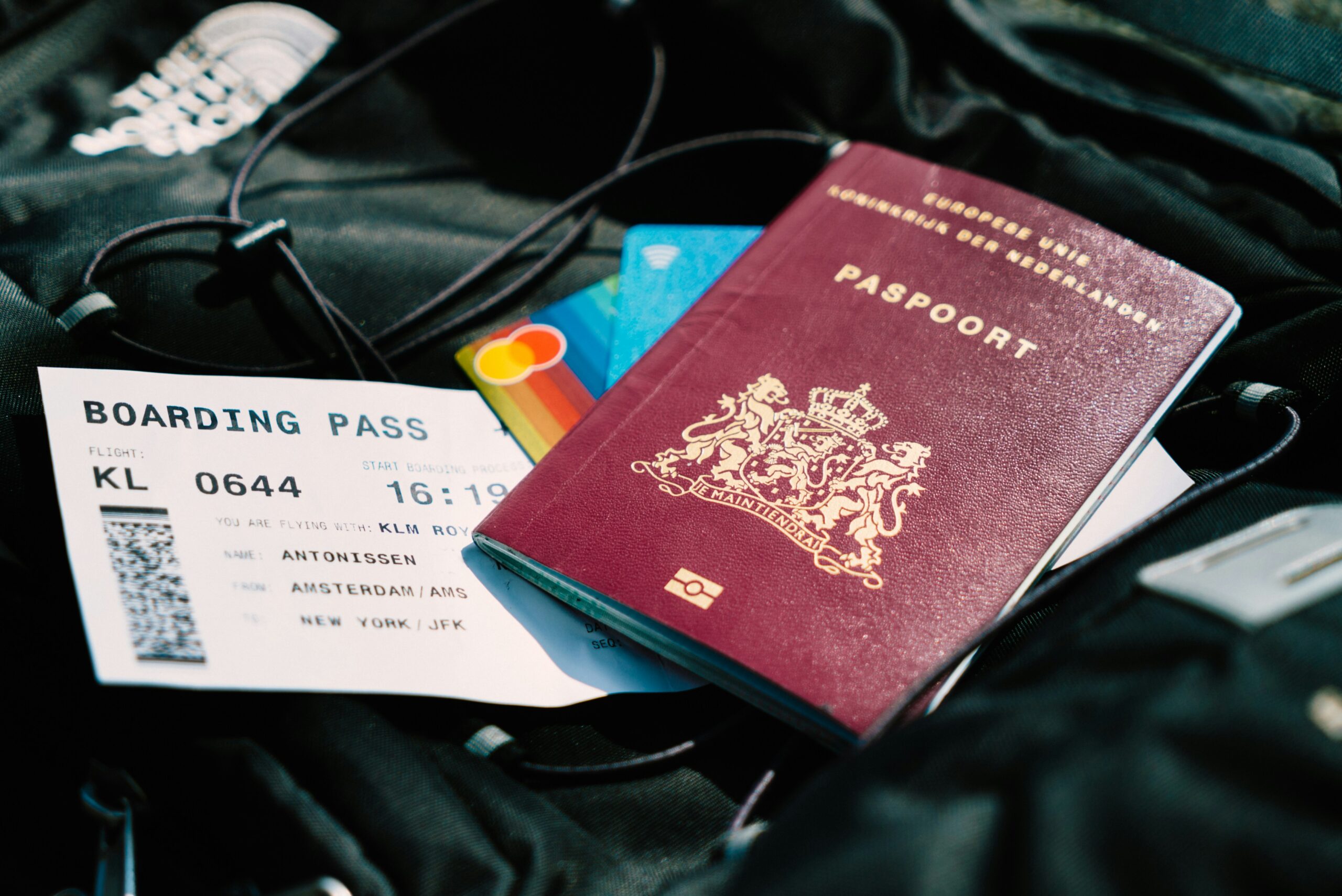

Visa rules are one of the more confusing parts of planning an African trip, mostly because there’s no single continent-wide system — every country sets its own requirements, and those requirements change more often than most travelers expect. This Africa visa guide walks through how visas generally work across the continent’s most visited countries, what to expect from e-visas versus visa-on-arrival, and the practical steps for making sure paperwork doesn’t derail a trip.
An Important Disclaimer First
Visa policy changes regularly, and requirements vary by nationality, not just destination — a rule that applies to a UK passport holder may look completely different for a US, EU, or other nationality. This guide gives a general framework for how Africa visa requirements for tourists typically work, but the specific requirement for your passport and travel dates should always be confirmed directly with the destination country’s official immigration website or embassy before booking.
The Three Main Visa Categories
Most African countries fall into one of three general categories for tourist entry:
- Visa-free or visa-on-arrival: No advance application needed; the visa is issued at the airport or border, sometimes for a fee paid in cash or by card.
- E-visa: An online application submitted in advance, typically approved within a few days to a couple of weeks, with the approval printed or shown digitally on arrival.
- Traditional embassy visa: Requires an in-person or mailed application to an embassy or consulate before travel, often the slowest and most document-intensive option.
Increasingly, African countries are shifting toward e-visas and visa-on-arrival systems as part of broader efforts to boost tourism, so it’s worth checking current status even for countries that historically required embassy visits.
Egypt
Most nationalities can obtain an e-visa in advance through Egypt’s official portal, or a visa-on-arrival at major airports for many passport holders. The e-visa route is generally recommended since it avoids potential airport queues, and it’s usually valid for a single or multiple entry over 90 days from issuance, though this can vary. Always check current requirements for your specific nationality before travel, as visa policy can shift.
Morocco
Morocco is visa-free for stays typically up to 90 days for a wide range of nationalities, including most EU countries, the US, UK, and Canada — one of the more straightforward entries on this list. Some other nationalities do require an advance visa, so it’s worth checking based on your specific passport.
Kenya
Kenya moved to a fully electronic travel authorization (eTA) system, replacing the previous e-visa, applied for online in advance of travel. This is required for essentially all visitors regardless of nationality, and approval is typically processed within a few days, though applying further ahead of travel dates is safer.
Tanzania
Tanzania offers both an e-visa (applied for online before travel) and, for many nationalities, visa-on-arrival at major entry points including Kilimanjaro International Airport and the Namanga border crossing. The e-visa route avoids potential arrival delays and is generally the recommended option for a smoother start to the trip.
South Africa
Many nationalities — including the UK, EU, most of North America, and Australia — can enter South Africa visa-free for tourism stays up to 90 days. Some other nationalities require an advance visa application through a South African embassy or visa center, so checking your specific nationality’s status well ahead of travel is important, particularly given that South African visa processing has occasionally faced backlogs.
Tanzania’s Neighbors: Uganda and Rwanda
Both Uganda and Rwanda use e-visa systems, and both are part of an East Africa Tourist Visa arrangement (alongside Kenya) that, when available, allows a single visa to cover travel between the three countries — worth investigating if your itinerary crosses between them, since it can be more cost-effective and convenient than applying separately.
Botswana and Namibia
Both countries offer visa-free entry for a wide range of nationalities for tourism stays, generally without requiring any advance application — among the more traveler-friendly entry processes on the continent, reflecting both countries’ focus on higher-value, lower-volume tourism.
Zambia and Zimbabwe
Both countries offer visa-on-arrival for most nationalities, and Zimbabwe in particular offers a KAZA UniVisa, which covers both Zimbabwe and Zambia (and permits day trips into Botswana) with a single visa fee — genuinely useful for travelers combining Victoria Falls with a Chobe safari day trip across the border.
Seychelles and Mauritius
Both island nations are effectively visa-free for tourism for the vast majority of nationalities, requiring only a valid passport, proof of accommodation, and a return ticket on arrival rather than any advance visa application — part of what makes both popular, low-friction beach destinations.
Quick Reference Table
| Country | Typical Entry Method | Notes |
|---|---|---|
| Egypt | E-visa or visa-on-arrival | Check nationality-specific rules |
| Morocco | Visa-free (many nationalities) | Up to 90 days for many passports |
| Kenya | eTA (required in advance) | Applies to all visitors |
| Tanzania | E-visa or visa-on-arrival | E-visa recommended |
| South Africa | Visa-free (many nationalities) | Some passports need advance visa |
| Uganda / Rwanda | E-visa | East Africa Tourist Visa may apply |
| Botswana / Namibia | Visa-free (many nationalities) | No advance application typical |
| Zambia / Zimbabwe | Visa-on-arrival | KAZA UniVisa covers both |
| Seychelles / Mauritius | Visa-free | Proof of accommodation required |
Documents to Have Ready Regardless of Visa Type
- A passport valid for at least six months beyond your planned departure date — this is a nearly universal requirement across African countries and one of the most common reasons for denied boarding.
- Proof of onward or return travel, sometimes checked at check-in even when not formally required by the destination.
- Proof of accommodation, particularly for visa-free entries to countries like the Seychelles or Mauritius.
- Yellow fever vaccination certificate, required for entry to several African countries if you’re arriving from (or have transited through) a country with risk of yellow fever transmission — this catches travelers off guard more often than almost any other requirement.
- Passport photos, still occasionally required for embassy visa applications even in an increasingly digital visa landscape.
Common Mistakes to Avoid
- Applying for the wrong visa type — some countries offer multiple entry options with different costs and processing times, and picking the slower, more expensive route by mistake is a common and avoidable error.
- Leaving e-visa applications until the last minute — while many process within days, delays happen, and applying at least two to three weeks before departure gives a comfortable buffer.
- Assuming a Schengen or US visa gives any special treatment — it generally doesn’t, though a few African countries do offer expedited or fee-waived entry for holders of certain visas, so it’s worth checking if this applies to your itinerary.
- Overlooking transit visa requirements — connecting through certain airports, even without leaving the airport, can occasionally trigger a transit visa requirement depending on nationality and layover length.
- Forgetting the yellow fever certificate — this single missing document has turned away more travelers at African borders than almost any visa issue.
Frequently Asked Questions
Do I need a visa for every African country I visit on a multi-country trip? Generally yes, unless the countries participate in a shared visa arrangement like the East Africa Tourist Visa or the KAZA UniVisa. Each country’s entry requirements apply independently otherwise, even for a short border-crossing day trip.
How far in advance should I apply for an African e-visa? Two to three weeks before departure is a comfortable buffer for most e-visa systems, even though many process approvals within a few days. Applying earlier also gives time to resolve any issues with the application.
Is a yellow fever certificate really necessary? For many African countries, yes — particularly if you’re arriving from or have transited through a country with yellow fever risk. Requirements vary by destination and by where you’re traveling from, so checking specific current guidance for your itinerary is essential.
Can visa policies change close to my travel dates? Yes, and this happens more often than travelers expect, particularly as several African countries have recently shifted from embassy-based visas toward e-visa and eTA systems. Checking official government sources shortly before departure, even after booking, is a sensible habit.
Planning more of your Africa trip? Check out our best time to visit Africa or Africa travel on a budget guide, and browse all our Africa travel guides for more.