
Ask ten people when the best time to visit Africa is, and you’ll probably get ten different answers — and honestly, they’re all a little bit right. That’s the thing about a continent that stretches from the Mediterranean coast all the way down to the Cape of Good Hope: there isn’t a single “African season.” What’s perfect weather for a Serengeti safari in July might be the wrong month entirely for diving in Zanzibar or trekking in Rwanda.
So instead of giving you a vague “anytime is a good time” answer, this guide breaks Africa down by region and by what you actually want to do there — safari, beach, trekking, or a bit of everything — so you can plan around the weather that matters to your trip.
Why Timing Actually Matters in Africa
Unlike a lot of destinations where “off-season” mostly just means fewer crowds, timing in Africa can genuinely change what you see. Wildlife migrations follow the rain. River levels rise and fall with entire ecosystems around them. Mountain treks in East Africa can go from a manageable hike to a muddy, socked-in slog depending on the month. None of this means you need to obsess over picking the “perfect” week — it just means a little planning goes a long way.
Broadly, most of Africa splits into a dry season and a wet (or “green”) season. The dry season is when most travelers go: clearer skies, easier wildlife viewing, and firmer roads. The wet season isn’t a disaster, though — it brings lush scenery, newborn animals, dramatically lower prices, and far fewer other tourists in your photos.
East Africa (Kenya, Tanzania, Uganda, Rwanda)
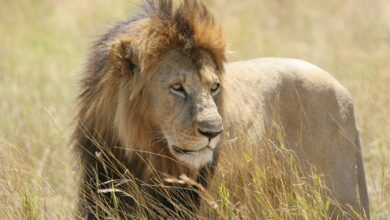
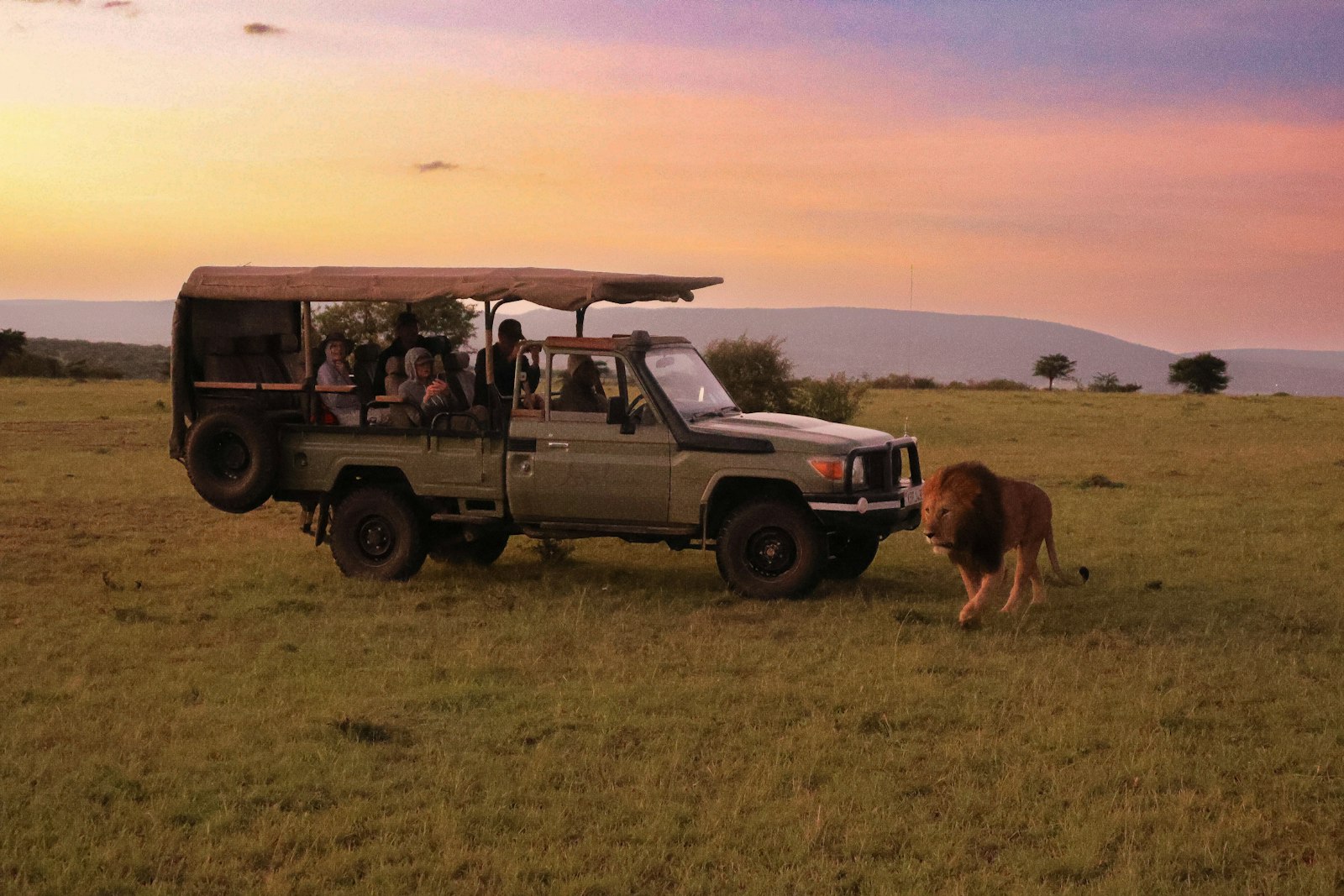
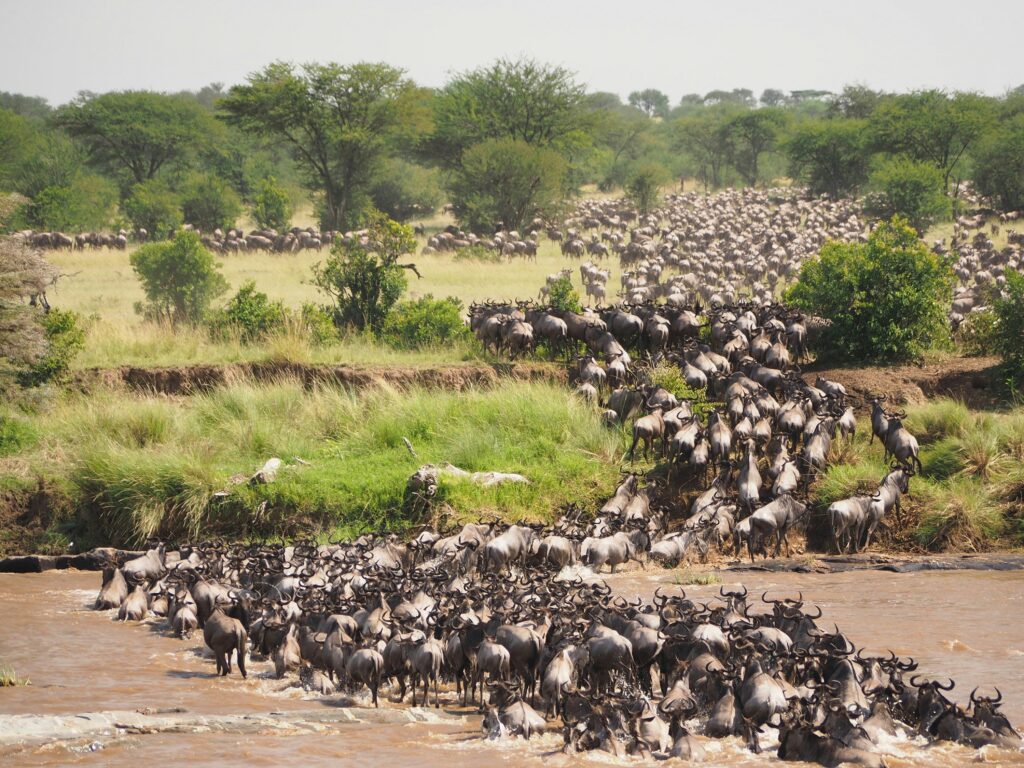
This is the region most people picture when they think “African safari,” and timing here revolves heavily around the Great Migration — the movement of roughly two million wildebeest and zebra across the Serengeti-Mara ecosystem.
- June to October (dry season): This is peak safari season for a reason. Grass is short, animals gather around remaining water sources, and visibility is excellent. Around July through September, the migration typically crosses into Kenya’s Masai Mara, which is when you get the dramatic river crossings everyone’s seen in documentaries.
- December to March: A quieter, warmer alternative. The southern Serengeti fills with newborn wildebeest calves around February, which also draws predators looking for easy targets — it’s an intense, less crowded alternative to the July rush.
- April and May (long rains): This is the true low season. Some camps close entirely. But if you don’t mind the occasional downpour, this is when prices drop the most and the landscape turns a brilliant green.
For gorilla trekking in Uganda or Rwanda, the driest months (June–September and December–February) make for firmer, less muddy trails, though trekking happens year-round since it’s rainforest, not savanna.
Southern Africa (South Africa, Botswana, Namibia, Zimbabwe, Zambia)
Southern Africa runs on the opposite hemisphere’s calendar, so its dry winter falls during the Northern Hemisphere’s summer.
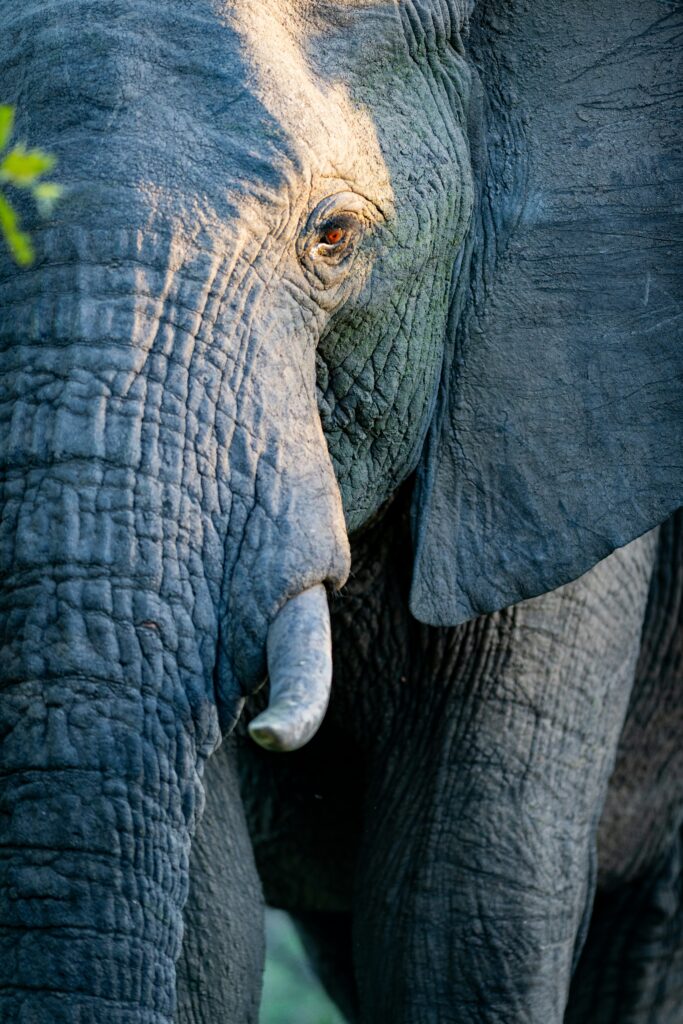
- May to September (dry winter): The best window for game viewing in Kruger, Chobe, and the Okavango Delta. Vegetation thins out and animals cluster around rivers and waterholes, making them far easier to spot. It’s also when Victoria Falls has the most dramatic water flow in the earlier part of this window (peak flow is usually around March–May, tapering through the dry months).
- October to April (wet summer): Hot, occasionally stormy, and full of newborn animals and migratory birds. Cape Town, on the other hand, actually has its best weather during these months — it follows a Mediterranean climate, so summer (November to March) is when you want to be there for beaches, hiking Table Mountain, and wine country day trips.
Notice the contradiction there: winter for safari, summer for Cape Town. If your trip combines both, April/May or September/October often strike a reasonable balance.
North Africa (Egypt, Morocco, Tunisia)
Desert climates dominate here, which flips the usual “dry season is best” logic — dry is the default, and heat becomes the real factor.
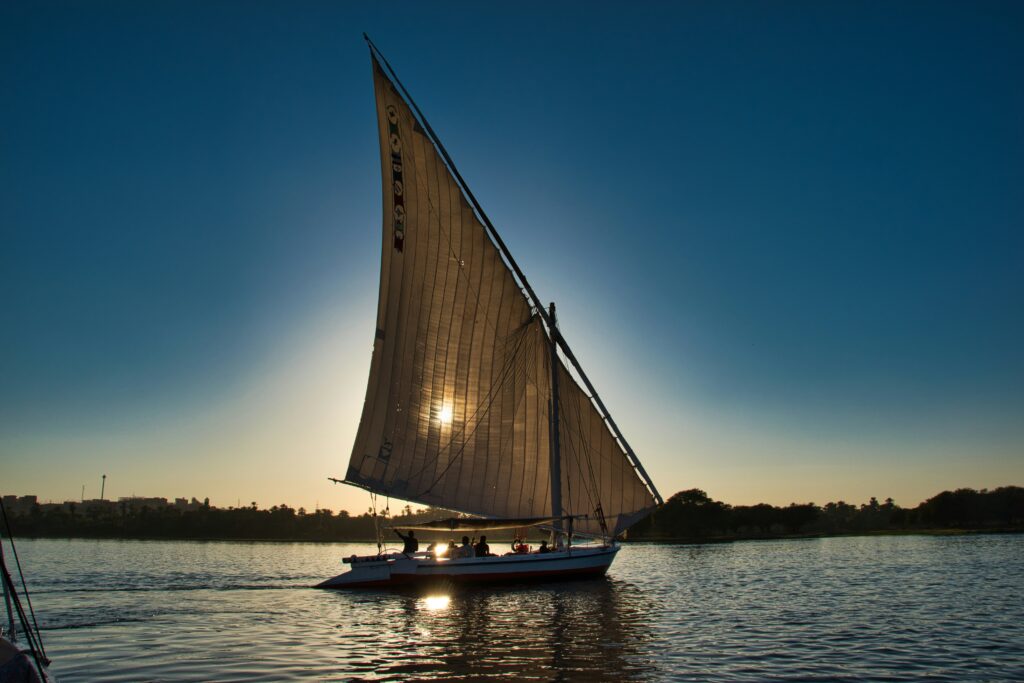
- October to April: The sweet spot for Egypt, especially if you’re visiting Cairo, Luxor, or taking a Nile cruise. Daytime temperatures stay manageable, and evenings in the desert can even get chilly.
- June to August: Genuinely brutal in southern Egypt, with Luxor and Aswan regularly exceeding 40°C (104°F). Coastal areas like Alexandria or the Red Sea resorts are more bearable thanks to sea breezes.
- Morocco follows a similar pattern: spring (March–May) and autumn (September–November) are ideal for exploring Marrakech and the Atlas Mountains, while summer is best spent on the coast in Essaouira or Agadir rather than inland.
West Africa (Ghana, Senegal, Nigeria, Ivory Coast)
Less traveled by international tourists, but increasingly popular — and its climate is tropical, with a clear wet and dry divide.
- November to March (dry season, harmattan): The most comfortable time to visit, with lower humidity, though the harmattan wind can bring a hazy dust from the Sahara.
- April to October: The rainy season, with humidity and downpours that can disrupt travel, particularly in coastal areas.
Beaches and Islands (Zanzibar, Seychelles, Mauritius)
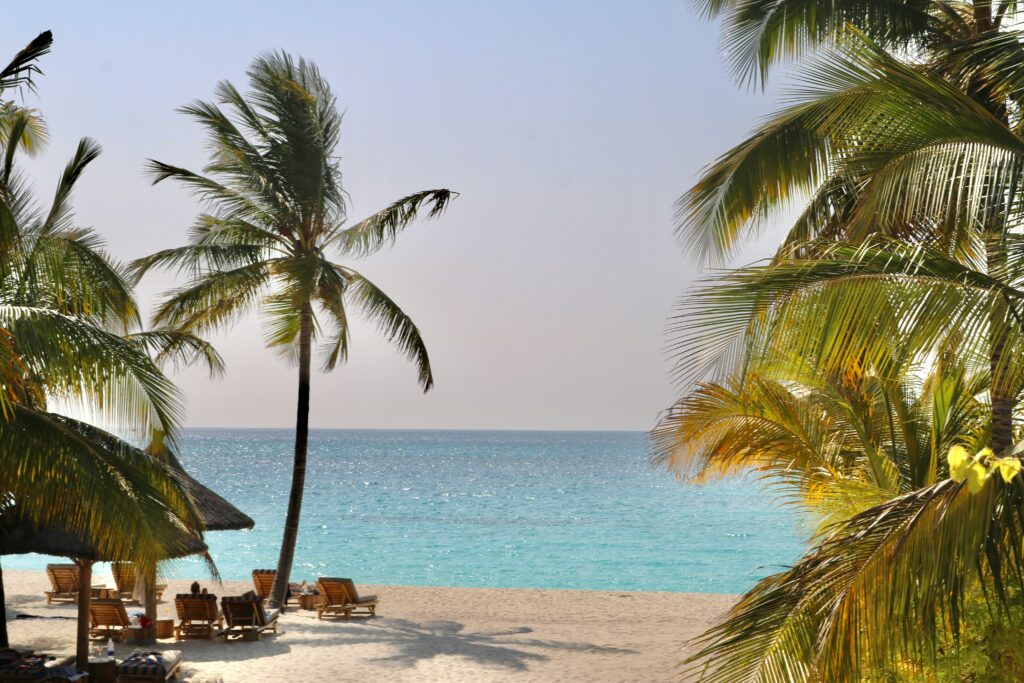
If your Africa trip is really about sand and turquoise water rather than wildlife, the calculus changes again.
- Zanzibar: Best from June to October and again from December to February, avoiding the long rains (March–May).
- Seychelles and Mauritius: Both sit outside the cyclone belt for much of the year, but April–May and October–November tend to offer the calmest seas and most reliable sunshine.
Quick Reference: Best Months by Destination
| Destination | Best Months | What to Avoid |
|---|---|---|
| Masai Mara / Serengeti (migration) | July–September | April–May (heavy rain) |
| Kruger National Park | May–September | December–February (hot, humid) |
| Okavango Delta | May–September | November–March |
| Cape Town | November–March | June–August (cold, wet) |
| Egypt (Luxor, Aswan, Nile) | October–April | June–August (extreme heat) |
| Marrakech & Atlas Mountains | March–May, Sept–Nov | July–August (very hot) |
| Zanzibar | June–October, Dec–Feb | March–May |
| Victoria Falls (peak water) | March–May | September–November (low flow) |
| Rwanda/Uganda gorilla trekking | June–Sept, Dec–Feb | March–May (muddiest trails) |
A Few Practical Tips Regardless of When You Go
- Book safari lodges early for peak months. July–September in East Africa and June–September in Southern Africa fill up six to twelve months in advance for the well-known camps.
- Consider shoulder seasons on purpose. Late October, November, and April often offer a genuine middle ground — lower prices, fewer crowds, and weather that’s still perfectly workable.
- Pack for temperature swings, not just rain. Desert and savanna regions can go from hot afternoons to surprisingly cold nights, especially at higher elevations like the Ngorongoro Crater rim.
- Check specific park conditions, not just country-wide seasons. Africa’s countries are enormous, and weather can vary significantly between a coastal city and an inland reserve just a few hundred kilometers away.
Frequently Asked Questions
Is there really a single “worst” time to visit Africa? Not really — even the rainy seasons have upsides, like lower prices and fewer visitors. The closest thing to a “worst” time depends entirely on what you came to do. Heavy rain during the East African long rains (April–May) is the most commonly avoided stretch for first-time safari-goers.
Can I see the Great Migration river crossings any time of year? No — the dramatic Mara River crossings are largely limited to around July through October, when the herds move from the Serengeti into Kenya. Outside that window, you’ll still see huge numbers of animals, just not the crossings themselves.
Is Africa a good year-round destination? Yes, in the sense that somewhere on the continent is having ideal weather at any given moment. That’s really the takeaway here — it’s less about finding “the” best time for Africa as a whole, and more about matching your destination and interests to the right season.
What’s the cheapest time to visit East Africa? April and May, during the long rains, typically see the lowest prices on lodges and safari packages, sometimes 30–40% below peak season rates.