
Western Europe gets most of the tourist attention, but Eastern Europe’s Budapest, Prague, and Krakow offer some of the continent’s best architecture, history, and value — often at a fraction of the cost of Paris or Rome. This guide covers these three Eastern Europe hidden gems, what makes each one worth the trip, and how to string them together into one well-connected itinerary.
Why These Three Cities Belong Together
Budapest, Prague, and Krakow sit within a fairly compact corner of Central and Eastern Europe, connected by reliable trains and buses, and each offers a genuinely different flavor of the region’s history — Budapest’s grand imperial architecture and thermal bath culture, Prague’s fairy-tale old town, and Krakow’s deep, sometimes sobering historical weight. Together, they make for one of the best-value multi-city trips in Europe.
Budapest: 3-4 Days
Split by the Danube River into hilly Buda and flat, grand Pest, Budapest offers a genuinely striking cityscape along with a bathing culture unlike anywhere else in Europe.
What to see:
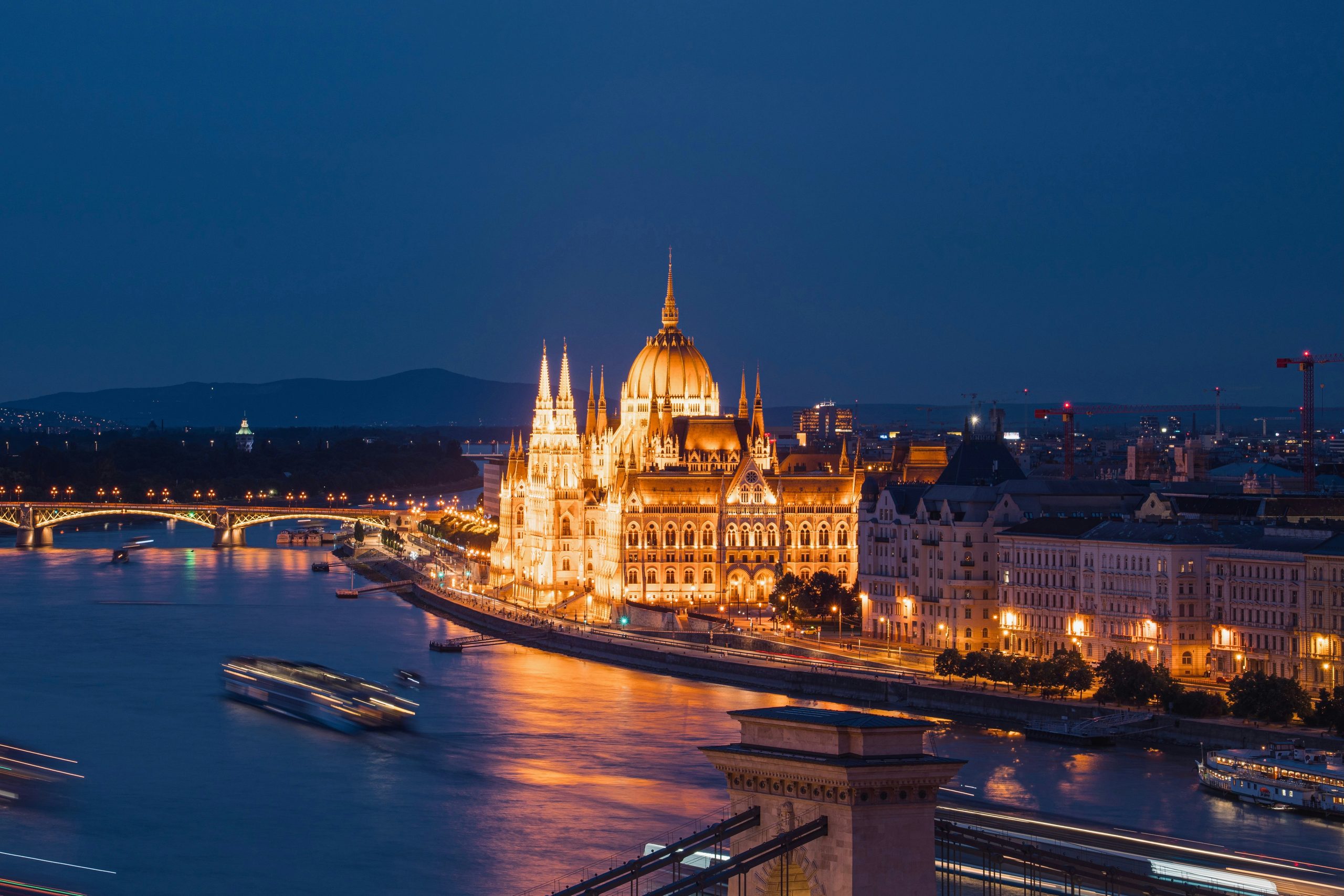
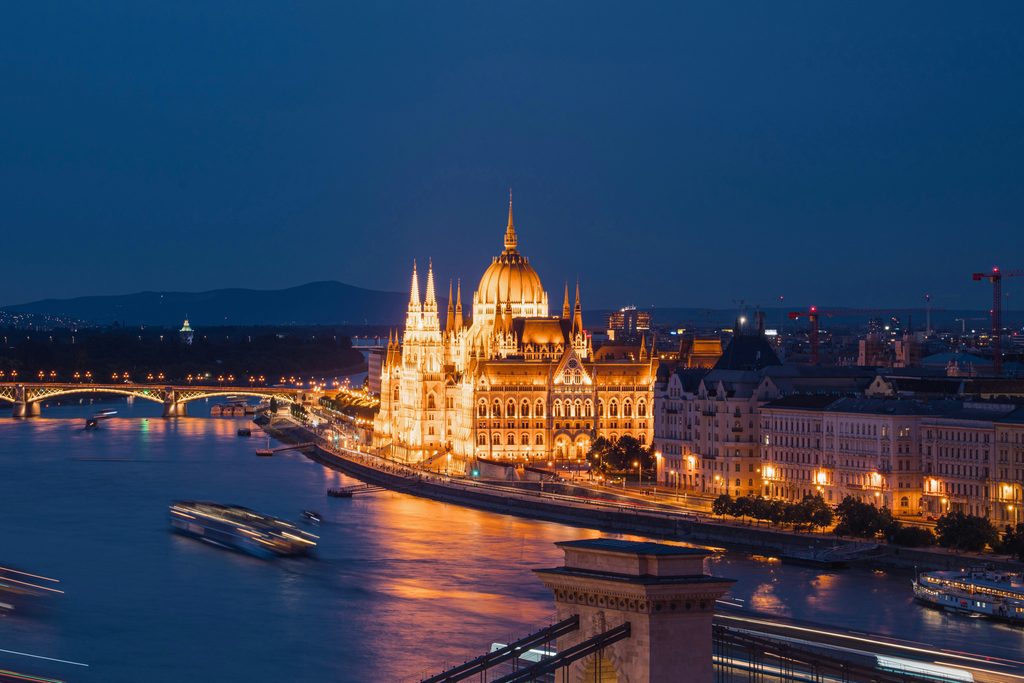
- The Hungarian Parliament Building — one of the most photographed buildings in Europe, especially striking when lit up at night; book an interior tour in advance if you want to see inside
- Buda Castle and Fisherman’s Bastion — offering sweeping views back across the river to Pest
- Széchenyi Thermal Bath — one of the largest thermal bath complexes in Europe, and a genuinely unique way to spend an afternoon
- Ruin bars — Budapest’s distinctive bar scene, built into crumbling old buildings and courtyards, particularly concentrated in the Jewish Quarter
- A Danube river cruise — especially recommended at night, when the Parliament building and Buda Castle are illuminated
Three to four days allows time for both sides of the river along with at least one thermal bath visit.
Prague: 2-3 Days
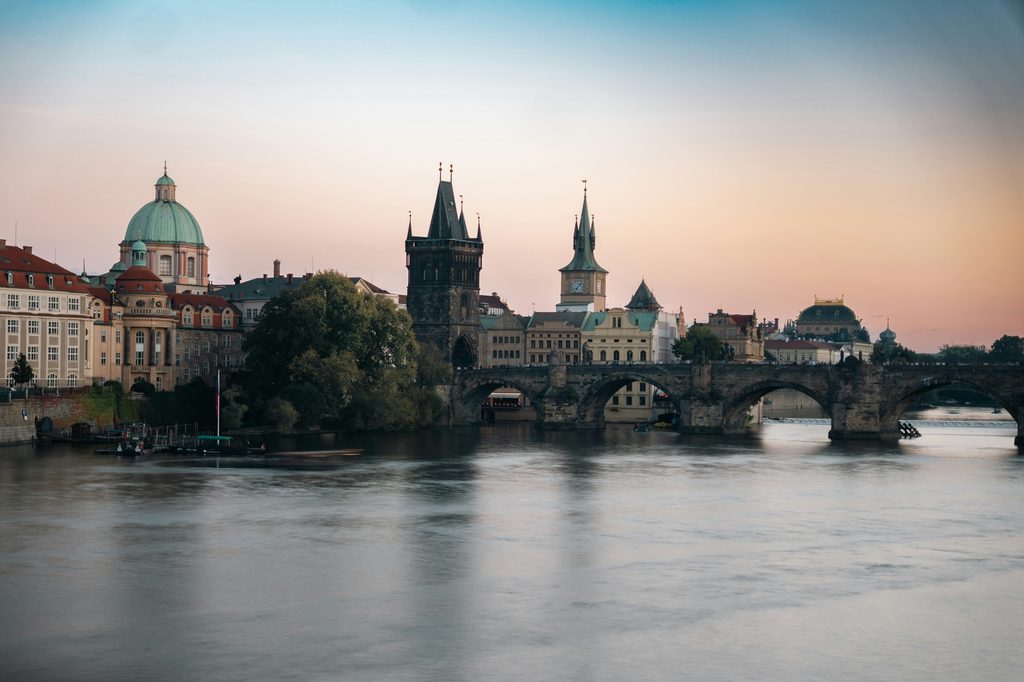
Prague’s compact, remarkably preserved old town has made it one of Europe’s most popular city break destinations, and it lives up to the reputation.
What to see:
- Prague Castle — one of the largest ancient castle complexes in the world, including St. Vitus Cathedral within its grounds
- Charles Bridge — best visited at sunrise to experience it without the daytime crowds that build steadily through the morning
- Old Town Square and the Astronomical Clock — the medieval clock’s hourly show draws crowds, though the square itself is worth lingering in regardless
- Prague’s beer culture — the Czech Republic has one of the highest beer consumption rates in the world, and a traditional pub visit is practically mandatory
- Petřín Hill — a quieter escape from the old town crowds, with a smaller Eiffel Tower-style lookout tower at the summit
Two to three days covers Prague’s compact old town comfortably, since most major sights sit within easy walking distance of each other.
Krakow: 2-3 Days
Poland’s former royal capital combines a beautifully preserved medieval old town with some of the most significant and sobering historical sites in Europe.
What to see:
- Main Market Square (Rynek Główny) — one of the largest medieval town squares in Europe, anchored by the Cloth Hall market building
- Wawel Castle — the former seat of Polish kings, perched above the Vistula River
- The Jewish Quarter (Kazimierz) — a atmospheric district with a complex history, now home to some of the city’s best cafés and bars
- Auschwitz-Birkenau — a profoundly important, sobering day trip about 90 minutes from Krakow; most visitors consider it essential context for understanding the region’s 20th-century history, though it’s worth preparing emotionally for the visit
- Wieliczka Salt Mine — a UNESCO World Heritage site featuring chambers, chapels, and sculptures carved entirely from salt over centuries of mining
Two to three days allows time for both the old town and the Auschwitz-Birkenau day trip, which realistically takes up most of a full day including travel time.
Quick Comparison
| City | Known For | Vibe |
|---|---|---|
| Budapest | Thermal baths, Parliament, ruin bars | Grand, atmospheric |
| Prague | Old town, castle, beer culture | Fairy-tale, romantic |
| Krakow | History, Auschwitz, salt mine | Reflective, historic |
Suggested 9-Day Itinerary
| Days | Location | Focus |
|---|---|---|
| 1-4 | Budapest | Parliament, Buda Castle, thermal baths |
| 5 | Travel to Prague | Train or bus |
| 6-7 | Prague | Old town, castle, Charles Bridge |
| 8 | Travel to Krakow | Train or bus |
| 9 | Krakow | Old town, Wawel Castle |
Travelers with more time often extend Krakow to include the Auschwitz-Birkenau day trip properly, which adds a tenth day to this itinerary rather than compressing it into the same day as old town sightseeing.
Getting Between the Three Cities
- Budapest to Prague: Direct trains run around 7 hours, or a flight covers the route in about 1.5 hours — many travelers choose the overnight train option to save on a hotel night.
- Prague to Krakow: Direct trains and buses both run this route in roughly 7-8 hours; a flight (often via a connecting hub) takes considerably less time but adds airport transfer overhead.
- Within each city: All three have excellent, affordable public transport and highly walkable historic centers, making a rental car entirely unnecessary for this itinerary.
Given the longer overland travel times between these cities compared to, say, the Western Europe capitals, some travelers opt for short regional flights on at least one leg to save time.
When to Go
April to June and September to October are the best windows for this Eastern Europe hidden gems itinerary, offering comfortable weather and thinner crowds than peak summer, particularly noticeable in Prague, which has become significantly busier in recent years. July and August bring warm, reliable weather but also the heaviest tourist numbers, especially in Prague’s Old Town Square and Charles Bridge. December offers a genuinely magical alternative for travelers drawn to Christmas markets, particularly in Prague and Krakow, though it comes with cold temperatures and shorter daylight hours. Winter overall is workable and noticeably cheaper across all three cities, with Budapest’s thermal baths offering a particularly appealing way to warm up between sightseeing.
Practical Tips
- Budget more time than expected for Auschwitz-Birkenau — a full day including travel, and consider booking a guided tour in advance given the site’s popularity and the emotional weight of the visit.
- Bring or rent proper bathing attire for Budapest’s thermal baths — most require a swimsuit rather than allowing casual clothing.
- Both Hungary and the Czech Republic use their own currencies (forint and koruna) rather than the euro, unlike Poland’s złoty — worth planning for three separate currencies across this trip.
- Book Prague Castle and Charles Bridge sightseeing for early morning, since both become significantly more crowded by mid-morning, especially in peak season.
- Consider travel insurance and comfortable footwear — this itinerary involves a fair amount of walking across cobbled historic centers in all three cities.
Frequently Asked Questions
Are Budapest, Prague, and Krakow good value compared to Western Europe? Yes — accommodation, food, and transport all tend to run noticeably cheaper across all three cities compared to equivalent experiences in Paris, London, or Rome, making this itinerary appealing for travelers seeking strong value alongside rich history and architecture.
How many days do you need for this Eastern Europe trip? 9-10 days allows a comfortable pace across Budapest, Prague, and Krakow, including the Auschwitz-Birkenau day trip. A shorter 6-7 day version is workable focusing on just two of the three cities.
Is visiting Auschwitz-Birkenau appropriate for all travelers? It’s a profoundly serious historical site, and most visitors find it an essential, if difficult, part of understanding the region’s history. It’s worth preparing emotionally beforehand, and it may not suit every traveler or every trip, particularly with young children.
Do I need to speak the local languages to travel comfortably? Not really — English is widely spoken in tourist areas across all three cities, particularly in Budapest and Prague’s more visited districts, though a few basic local phrases are always appreciated.
Planning more of your Europe trip? Check out our best time to visit Europe guide, or browse all our Europe travel guides for more.