
Africa has a reputation for being an expensive continent to visit, and for the fly-in luxury safari experience, that reputation is often deserved. But that’s only one version of African travel. Away from the exclusive lodges and private conservancies, there’s an entire budget-friendly circuit of hostels, public transport, self-drive parks, and shared group tours that lets you experience the continent’s highlights without the five-figure price tag. This guide covers how to actually pull off Africa travel on a budget — where the savings are real, where they aren’t, and how to plan a trip that stretches further.
Setting Realistic Expectations
Before getting into specifics, it helps to separate two different things people mean by “budget Africa travel.” One is genuinely low-cost backpacking — hostels, local buses, self-catering, and public transport parks. The other is “affordable relative to a luxury safari” — a mid-range guided tour that’s still a meaningful expense but far less than a private lodge circuit. This guide focuses mainly on the first category, since that’s where the biggest savings are actually available, but it also flags where a modest splurge (like a guided safari day) makes sense even on a tight budget.
The Cheapest Countries to Visit in Africa
Cost varies enormously by country and region. As a rough guide:
- Very budget-friendly: Ethiopia, Uganda, Rwanda (outside gorilla permits), Malawi, Zambia (outside safari lodges), Egypt (outside Nile cruises)
- Moderate: Kenya, Tanzania, Morocco, South Africa
- Consistently expensive: Botswana, Seychelles, most of the exclusive island destinations, and any country’s private safari lodges regardless of location
A useful rule of thumb: North Africa (Egypt, Morocco) tends to be the most budget-friendly overall for a first-timer, thanks to cheap local food, affordable transport, and low-cost accommodation, while East and Southern African safari countries carry higher costs specifically around wildlife viewing, even when day-to-day living costs are reasonable.
Budget Safari Options That Actually Work
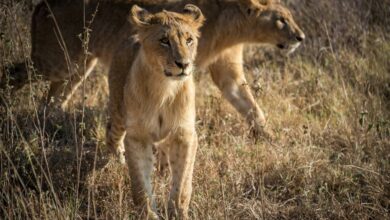
Safari is usually the single biggest line item in any African trip, and it’s also where the most dramatic savings are possible if you know where to look.
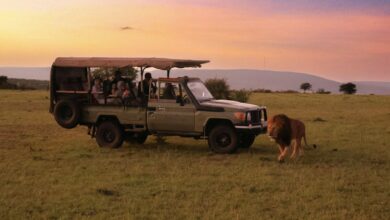
Self-drive parks: Kruger National Park in South Africa and Etosha in Namibia both allow visitors to self-drive in a rental car, staying in public rest camps rather than private lodges. This alone can cut safari costs by 60-80% compared to a fly-in guided experience, while still delivering excellent Big Five sightings.
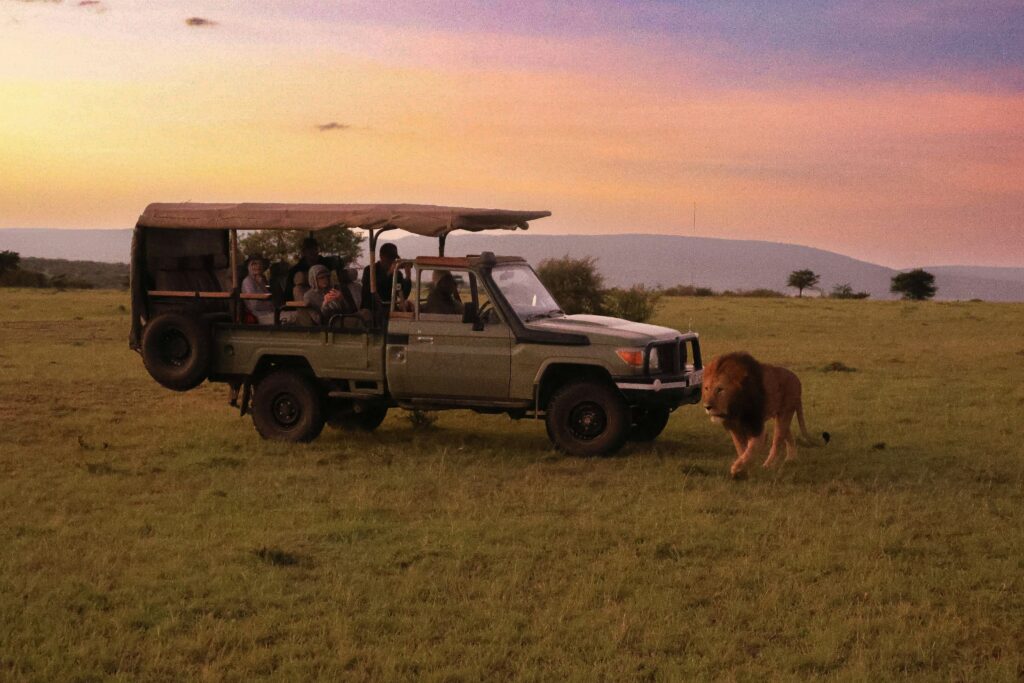
Group camping safaris: In East Africa, overland camping safaris — shared minibus tours with a fixed group, camping instead of lodges — bring the cost of a Serengeti or Masai Mara safari down substantially compared to private guided trips, without sacrificing much in terms of game viewing quality.
Shoulder and low season travel: Visiting during the April-May long rains in East Africa, or the summer months in Southern Africa, can cut lodge and camp prices by 30-50%, though it does mean trading off some wildlife visibility and comfort.
Shorter, focused trips: Rather than trying to cover three countries and five parks, a tighter itinerary focused on one or two well-chosen destinations reduces the number of expensive internal flights, which are one of the most underestimated costs in African trip planning.
Getting Around Without Breaking the Bank
Transport costs can make or break a budget Africa trip, and this is where planning ahead pays off most.
- Buses and shared minibuses (matatus in Kenya, dala-dalas in Tanzania) are the cheapest way to move between cities and towns, often costing a fraction of tourist shuttle services, though they take longer and require more patience.
- Overnight trains and buses double as accommodation for a night, saving on both transport and lodging simultaneously — a genuinely useful trick for long distances in Egypt, Morocco, and parts of East Africa.
- Regional budget airlines exist in some markets (particularly within North Africa and between major Southern African hubs) and can be worth comparing against overland options for longer distances.
- Avoid unnecessary internal flights where a reasonable overland alternative exists — flights between safari regions are often unavoidable, but flights between cities with good road or rail connections usually aren’t.
Accommodation on a Budget
Hostels have expanded significantly across Africa’s major backpacker routes over the past decade, particularly in Cape Town, Nairobi, Zanzibar, Marrakech, and along Morocco’s coast. Dorm beds in these cities are genuinely inexpensive by international standards. Beyond hostels:
- Guesthouses and family-run lodges often undercut international hotel chains significantly while offering a more local experience.
- Camping is a legitimate option in many national parks and along popular routes, particularly in Southern Africa where campsites are well established and safe.
- Homestays and community-based tourism programs, increasingly common in Kenya, Tanzania, and Rwanda, put money directly into local communities while typically costing less than commercial accommodation.
Food and Daily Costs
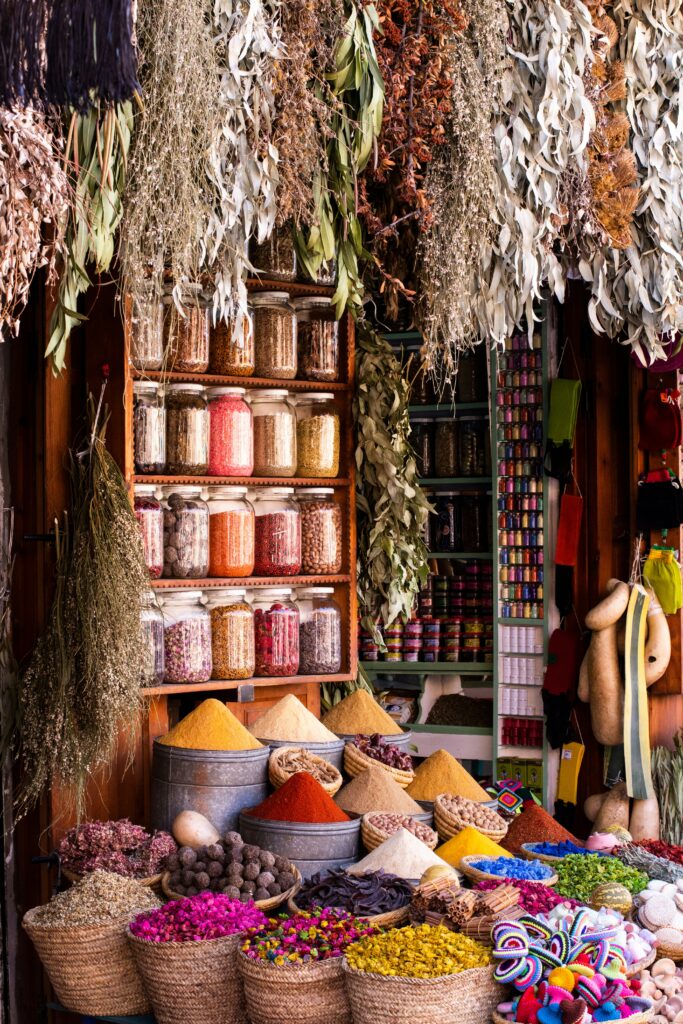
Eating like a local rather than exclusively at tourist-oriented restaurants makes a significant difference to daily spending. Street food and local eateries — from Cairo’s koshary stalls to Nairobi’s nyama choma joints to Marrakech’s food stalls — are both cheaper and, for many travelers, more memorable than resort dining. Self-catering where kitchen access is available (common in hostels and some guesthouses) further reduces costs for longer stays.
A Realistic Budget Breakdown Example
As a rough illustration (actual costs fluctuate with season, exchange rates, and personal spending habits), a backpacker-style trip combining Kenya’s budget safari circuit with a Zanzibar beach stint, staying in hostels and guesthouses, using local transport, and joining one group camping safari, tends to run at a fraction of the cost of an equivalent trip built entirely around private lodges and fly-in transfers — often well under half, depending on how much of the trip leans into the safari component specifically, which remains the hardest cost to compress no matter how it’s approached.
Where NOT to Cut Corners
Budget travel in Africa has real limits, and a few areas are worth spending a bit more on regardless of overall budget:
- Travel insurance — genuinely non-negotiable given the remoteness of some destinations and the cost of medical evacuation if something goes wrong.
- A reputable safari operator, even a budget one — safety standards and vehicle maintenance matter more here than in most travel contexts.
- Malaria prophylaxis and recommended vaccinations — a travel clinic consultation before departure is a cost worth absorbing.
- A guide for at least part of a safari, even if most of the trip is self-driven — local knowledge genuinely changes what you see and understand.
Practical Money-Saving Tips
- Travel in a group where possible — shared transport, accommodation, and safari costs drop significantly per person.
- Book accommodation and transport in advance during peak season, since last-minute options are often the most expensive, not the cheapest.
- Carry a mix of cash and cards — many budget accommodations and local transport options in Africa remain cash-based.
- Negotiate respectfully in markets — bargaining is expected in most African markets, but should be done in good humor rather than aggressively.
- Consider a regional multi-country pass where available, particularly for East African visas, which sometimes offer better value bundled together than purchased individually.
Frequently Asked Questions
Is it possible to do a real African safari on a tight budget? Yes — self-drive options in Kruger and Etosha, or group camping safaris in East Africa, bring safari costs down substantially compared to private guided trips, while still delivering strong wildlife viewing.
What’s the cheapest region of Africa to backpack through? North Africa (Egypt and Morocco) is generally the most budget-friendly for day-to-day costs like food, transport, and accommodation, though it doesn’t include a classic safari experience.
How much should I budget per day for backpacking in Africa? This varies enormously by country and travel style, but a frugal backpacker relying on hostels, local transport, and self-catering can generally travel for meaningfully less per day than a traveler using mid-range hotels and private transfers — the gap widens further once a safari component is factored in.
Are group safaris safe and worth it compared to private tours? Reputable group camping safari operators maintain the same safety and vehicle standards as private operators — the main trade-off is a fixed itinerary and shared group dynamic rather than any meaningful compromise on safety.
Planning more of your Africa trip? Check out our best safari destinations guide or the best time to visit Africa, and browse all our Africa travel guides for more.