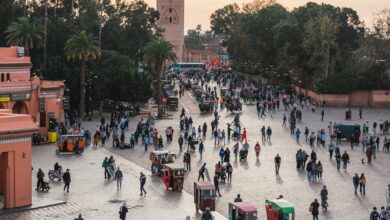

Kenya is where the modern safari industry essentially began, and it remains one of the most reliable places on earth to see Africa’s wildlife up close. This Kenya safari guide covers the country’s core circuit — the Masai Mara, Amboseli, Lake Nakuru, and Tsavo — along with what each park does best, when to visit, and how to put together a realistic itinerary.
Why Kenya Is Still One of Africa’s Best Safari Countries
A good Kenya safari guide has to start with the obvious question: with so many safari countries to choose from, why Kenya specifically? A few reasons keep it at the top of most first-timers’ lists. Nairobi is a major international hub with direct flights from Europe, the Middle East, and increasingly North America, so getting there is straightforward. The parks themselves are relatively close together compared to somewhere like Tanzania or Botswana, meaning you can combine two or three ecosystems without excessive flying. And the wildlife density — particularly in the Mara — is genuinely hard to match anywhere else on the continent.
Masai Mara National Reserve
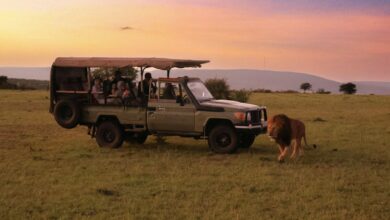
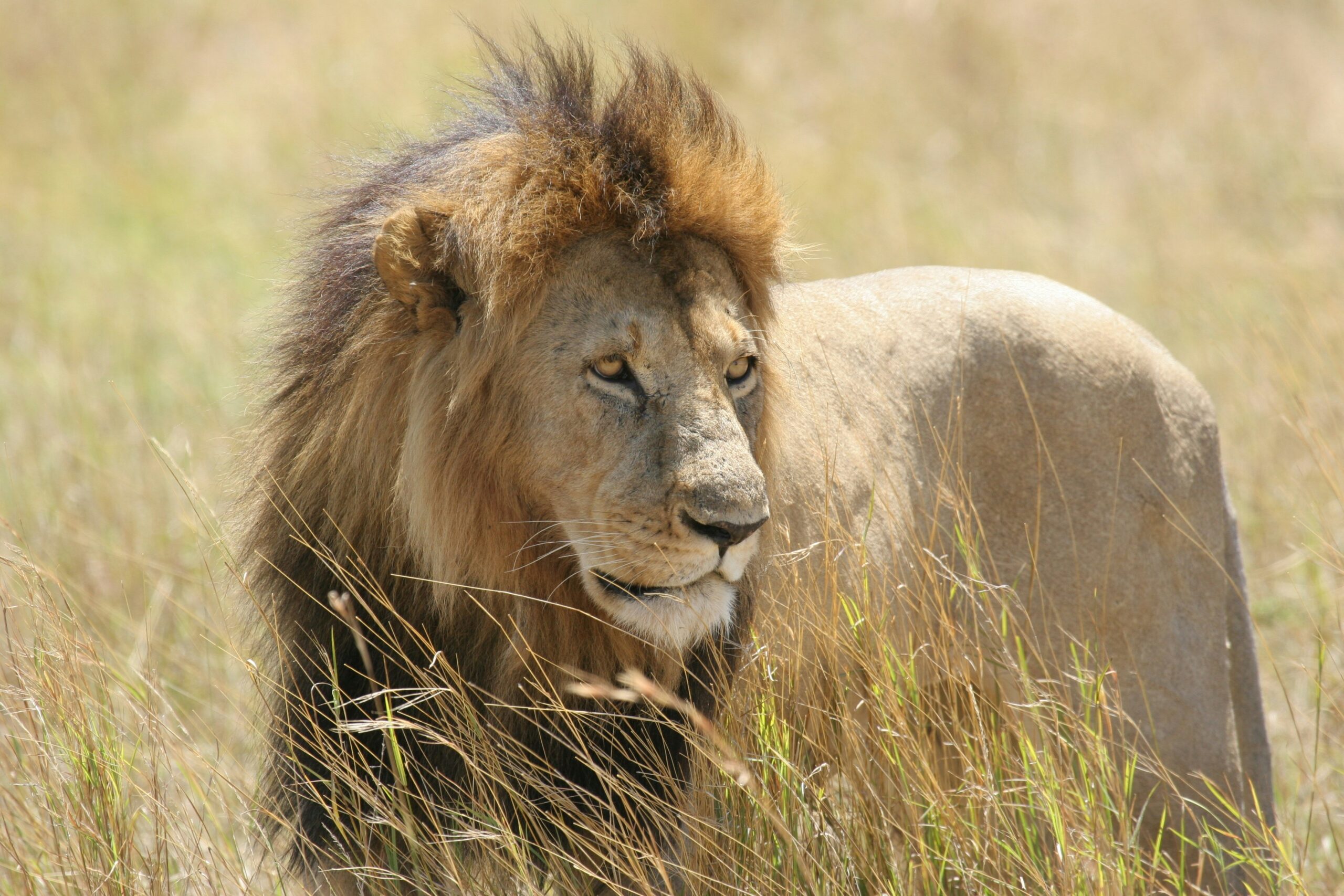
No Kenya safari guide would be complete without starting here. The Masai Mara is the country’s flagship reserve, part of the same ecosystem as Tanzania’s Serengeti, and the stage for the Great Migration’s most dramatic moments.
What makes it worth the trip:
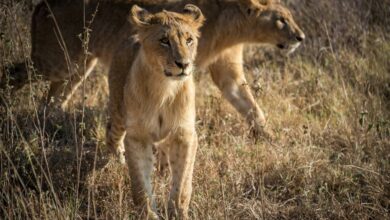
- One of the highest densities of lions in Africa
- The chance to witness Mara River crossings between roughly July and October
- A wide range of camps, from budget tented options to some of the most exclusive lodges on the continent
- Excellent year-round game viewing, migration or not
Most Kenya safari itineraries dedicate at least three nights here, and it’s easy to see why — a shorter stay barely scratches the surface of what the reserve offers.
Amboseli National Park
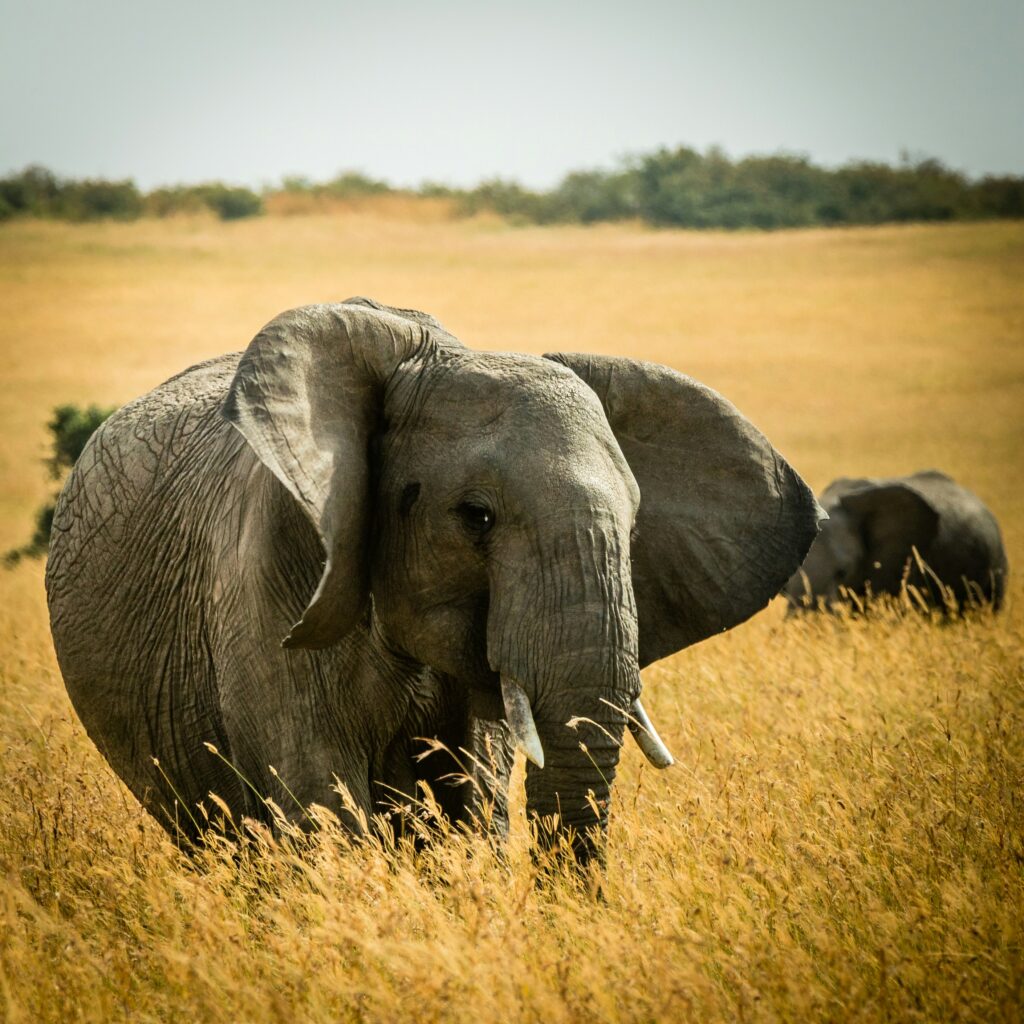
Amboseli is smaller and easier to cover than the Mara, and its signature feature is the view: elephant herds photographed against the towering backdrop of Mount Kilimanjaro across the border in Tanzania. On a clear morning, this is one of the most recognizable safari images in the world.
What makes it worth the trip:
- Consistently excellent elephant sightings, including some of Africa’s largest tuskers
- Close proximity to Nairobi (about a 4-5 hour drive, or a short flight)
- A good pairing with the Mara for travelers who don’t want to spend an entire trip on one reserve
Lake Nakuru National Park
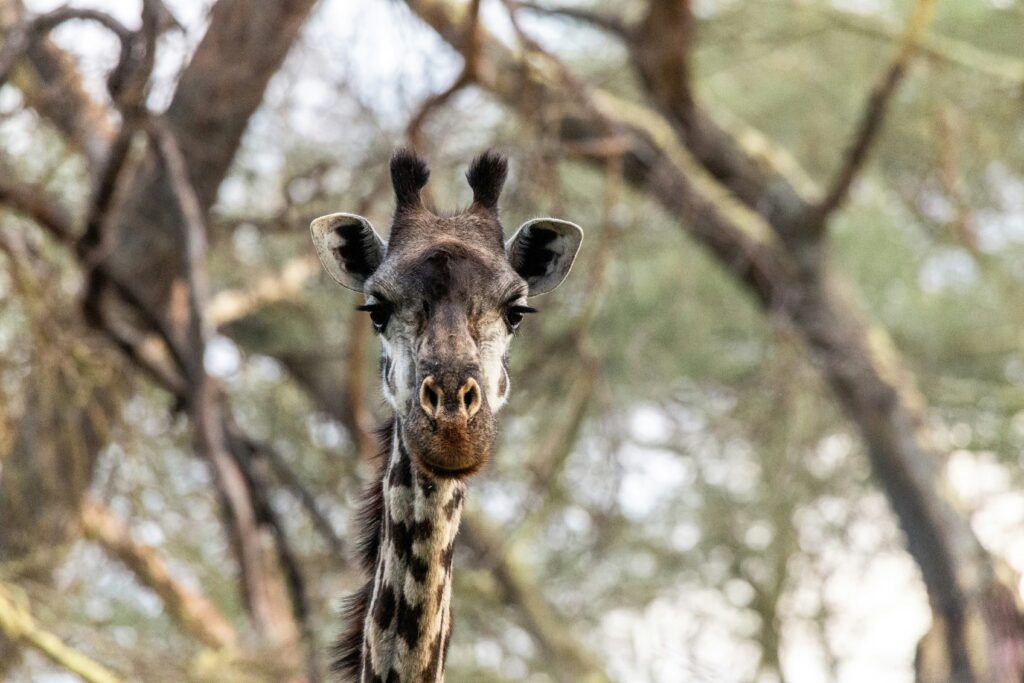
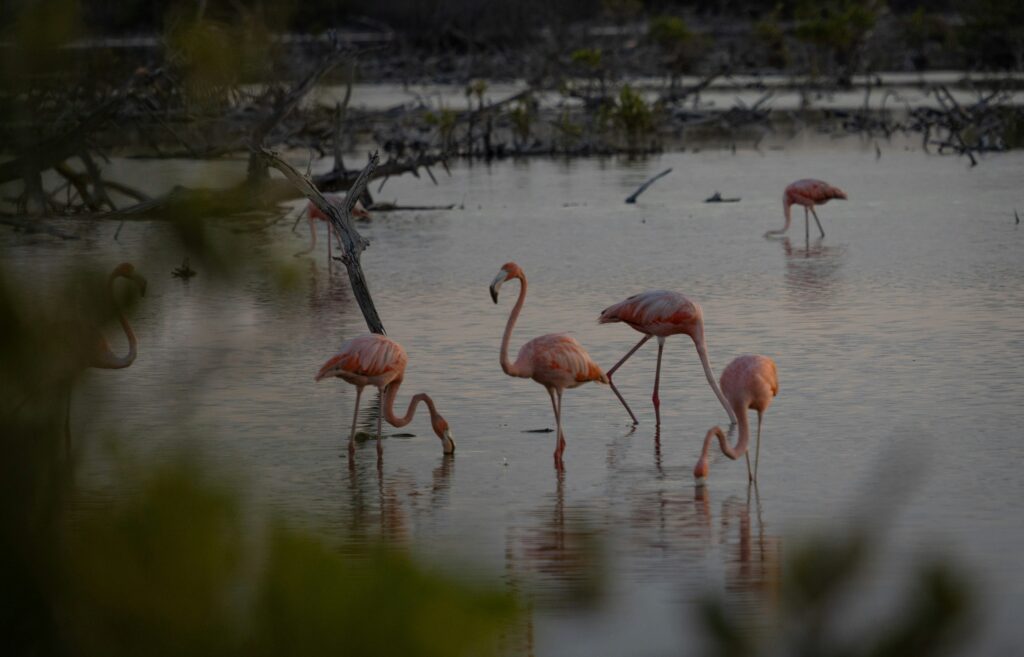
Lake Nakuru is a compact, easily accessible park built around a soda lake historically known for enormous flamingo flocks (numbers fluctuate with water levels year to year). It’s also one of the better places in Kenya to spot both black and white rhino, along with healthy populations of Rothschild’s giraffe.
What makes it worth the trip:
- One of the most reliable rhino-sighting parks in the country
- A manageable size that suits a shorter visit, often as a stop between Nairobi and the Mara
- Good birdlife beyond the flamingos, including several raptor species
Tsavo East and West
Tsavo is Kenya’s largest protected area, split into two sections, and offers a noticeably different landscape from the open grassland of the Mara — expect red dust, volcanic outcrops, and the “red elephants” that get their color from the local soil after dust-bathing.
What makes it worth the trip:
- A wilder, less crowded alternative to the more famous parks
- Strong elephant populations across a genuinely vast area
- Easy combination with a Mombasa or Diani Beach extension on the coast
Suggested 7-Day Kenya Safari Itinerary
| 1 | Arrive Nairobi | Rest, optional Nairobi National Park visit |
| 2-4 | Masai Mara | Game drives, migration (seasonal) |
| 5 | Lake Nakuru | Rhino tracking, flamingos |
| 6-7 | Amboseli | Elephants, Kilimanjaro views |
Travelers with more time often extend this with a few days in Tsavo or a beach stint on the coast around Diani or Watamu.
When to Go
Timing is one of the most important parts of any Kenya safari guide, since it can shape which animals you’re likely to see and how easy the roads are to travel.
- July to October: Peak season, driest conditions, and the best window for migration river crossings in the Mara.
- January to March: A warm, drier stretch with good game viewing and fewer crowds than the July peak — also calving season in parts of the southern Mara ecosystem.
- April and May: The long rains. Some camps close, roads can get muddy, but prices drop substantially and the scenery turns green.
- November: The short rains bring brief afternoon showers but rarely disrupt game drives for long, and this shoulder season often offers good value.
How to Get Around
Most travelers following a Kenya safari guide combine road transfers with short domestic flights. Driving between Nairobi and the Mara takes around 5-6 hours on decent but sometimes bumpy roads, while a small charter flight covers the same distance in about 45 minutes. Many travelers drive one way and fly the other, or fly both ways if time is tight. Within the parks themselves, game drives are done in open-sided 4×4 vehicles, typically with a driver-guide who does the spotting and interpretation.
Practical Tips
- Book camps 6-12 months ahead for the July–October peak season, especially anything close to the Mara River crossing points.
- Bring cash in small denominations (USD or Kenyan shillings) for tips and park fees not already included in your package.
- Pack layers — mornings on game drives can be genuinely cold, even though afternoons warm up quickly.
- Check yellow fever and malaria guidance with a travel clinic well before departure.
- Consider a balloon safari over the Mara — pricier than a standard game drive, but a genuinely different way to see the landscape and wildlife from above.
Frequently Asked Questions
How many days do you need for a good Kenya safari? Most first-time visitors are well served by 6-8 days, enough to properly cover the Masai Mara plus one or two additional parks like Amboseli or Lake Nakuru without feeling rushed.
Is Kenya a good safari destination for families with children? Yes — many camps welcome children and offer family-friendly tents or rooms, and parks like Lake Nakuru and Amboseli have relatively short, manageable game drives that suit younger travelers better than a full-day Mara excursion.
What’s the difference between a Kenya safari and a Tanzania safari? They cover parts of the same ecosystem (the Mara and Serengeti are connected), but Kenya’s parks are generally more compact and closer together, making logistics easier for shorter trips, while Tanzania offers a larger, wilder scale for travelers with more time.
Do I need a visa to visit Kenya? Most visitors need an e-visa, applied for online in advance through Kenya’s official eTA system — check current requirements for your nationality before booking, as visa policies do change.
Planning more of your Africa trip beyond this Kenya safari guide? Check out our safari destinations guide or the best time to visit Africa, and browse all our Africa travel guides for more.