
Lebanon packs an extraordinary amount into a small country — one of the Mediterranean’s most storied cities, a coastal town considered one of the oldest continuously inhabited places on Earth, and mountains that hold both ancient cedar forests and, in winter, genuine ski resorts. This Lebanon travel guide covers Beirut, Byblos, and the Chouf Mountains, along with the practical realities of visiting a country whose tourism infrastructure and situation have both evolved considerably over the past decade.
An Honest Starting Point
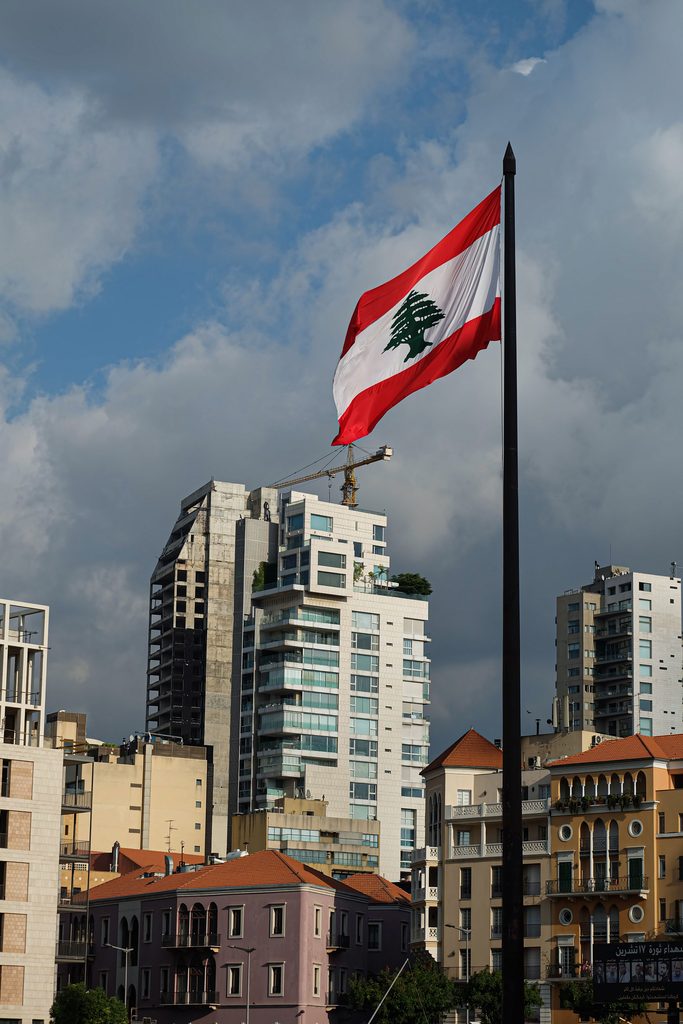
Any responsible Lebanon travel guide needs to acknowledge upfront that the country’s political and economic situation has been genuinely volatile in recent years, and conditions can shift. Checking current travel advisories from your home government immediately before booking, and again shortly before departure, is essential — not a formality. That said, Lebanon continues to welcome international visitors, and its core sights remain among the most rewarding in the Eastern Mediterranean for travelers who plan carefully and stay informed.
Beirut: 2-3 Days
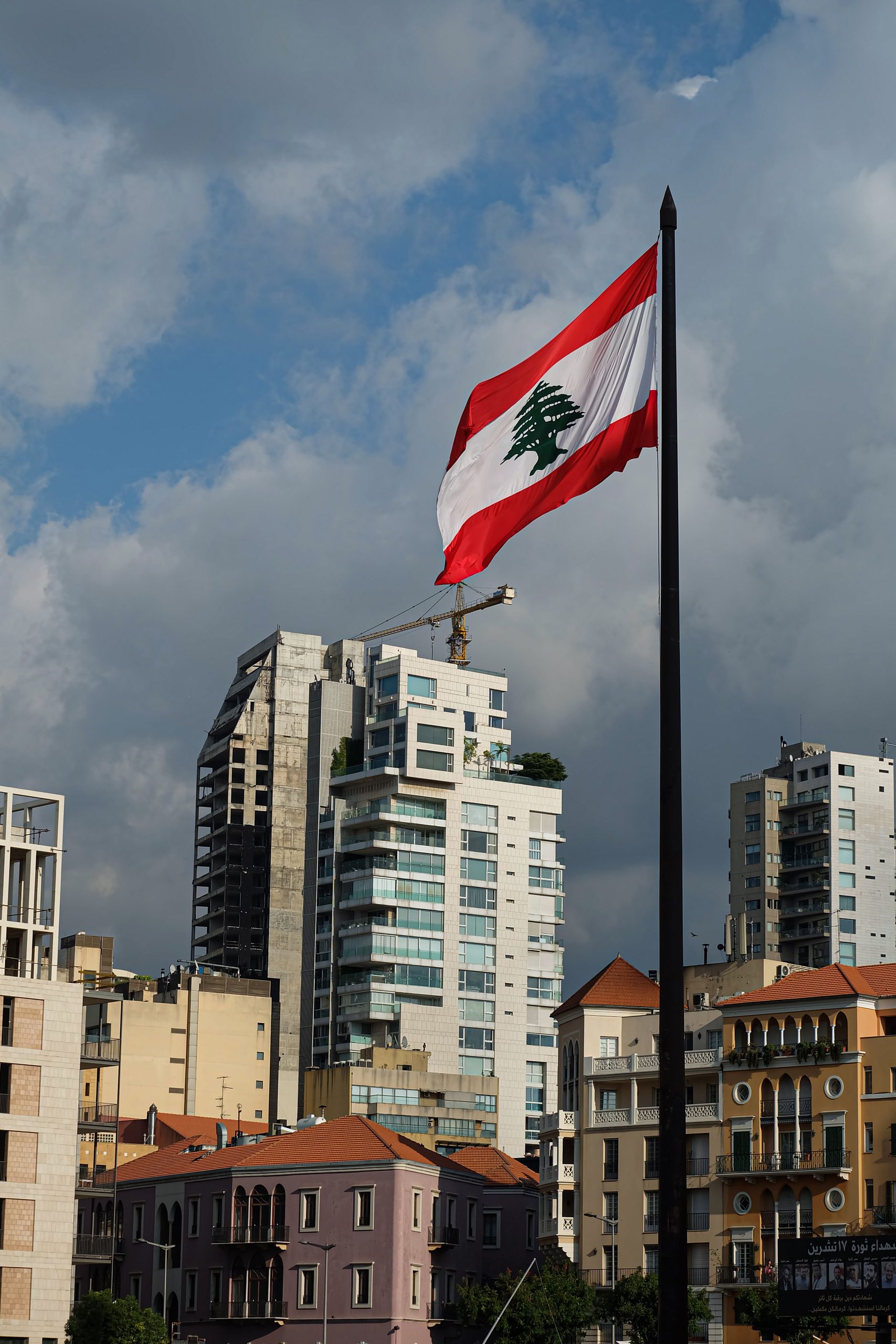
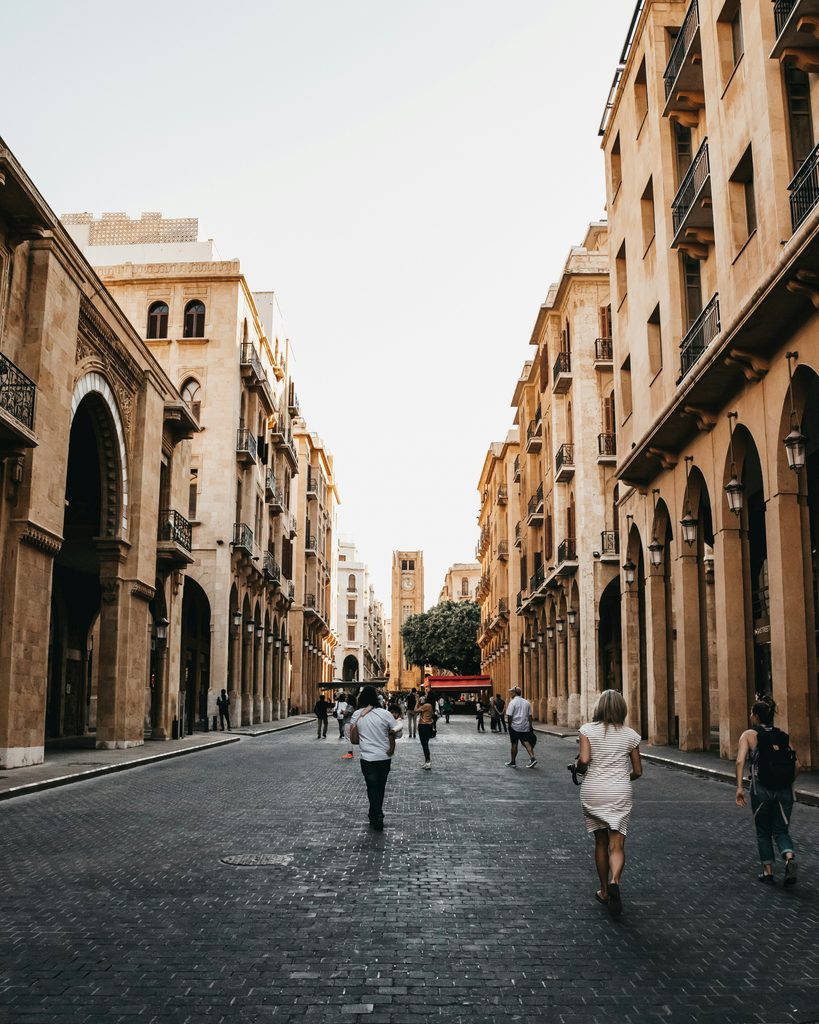
Beirut’s layered history — Phoenician, Roman, Ottoman, French Mandate, and a rebuilt post-civil war downtown — makes it one of the most architecturally varied capitals in the region.
What to see:
- Downtown Beirut (Solidere) — extensively rebuilt after the civil war, blending restored Ottoman and French colonial buildings with modern development
- The National Museum of Beirut — home to an exceptional collection of Phoenician and Roman artifacts, offering context for the rest of the trip
- Pigeon Rocks (Raouché) — dramatic sea rock formations just off the Corniche, particularly striking at sunset
- Mar Mikhael and Gemmayzeh — Beirut’s most vibrant neighborhoods for dining, bars, and street art, reflecting the city’s resilient social and cultural energy
- Beirut’s food scene — genuinely one of the best reasons to visit, from mezze spreads to Armenian and Levantine specialties found throughout the city
Two to three days allows a comfortable pace through Beirut’s mix of historical sites, museums, and neighborhood exploration.
Byblos (Jbeil): 1 Day
A short drive north of Beirut, Byblos is frequently cited as one of the oldest continuously inhabited cities in the world, with archaeological layers spanning thousands of years.
What to see:
- The Byblos archaeological site — Phoenician, Roman, and Crusader-era ruins layered within a single compact site, including a well-preserved Crusader castle
- Byblos Souks and the old harbor — a charming, walkable old town with restaurants overlooking the small fishing harbor
- The Fossil Museum — a quirky but genuinely interesting private collection of fossils found in the surrounding region
A day trip from Beirut covers Byblos comfortably, or it can be combined with a broader coastal day including Jeita Grotto.
Jeita Grotto: Half Day
A short drive from Beirut, Jeita Grotto is a massive karstic limestone cave system, and one of Lebanon’s most visited natural attractions, sometimes considered as a former finalist for the New7Wonders of Nature.
What to expect: The cave system splits into an upper gallery (explored on foot) and a lower gallery (explored partly by boat along an underground river), together forming one of the most impressive cave systems in the Middle East.
The Chouf Mountains and Cedar Forests: 1-2 Days
Lebanon’s mountainous interior offers a genuinely different landscape from the coast, including some of the last remaining ancient cedar groves — the tree that gives Lebanon’s flag its emblem.
What to see:
- The Cedars of God (Bsharri) — a UNESCO World Heritage Site protecting some of the last old-growth cedar forest in the country, some trees estimated at over a thousand years old
- Beiteddine Palace — a 19th-century Emir’s palace in the Chouf region, known for its Ottoman-era architecture and gardens
- Skiing (in winter) — Lebanon’s mountain resorts, including Faraya, offer a genuinely unusual combination for the region: skiing in the mountains and Mediterranean beach weather on the coast, sometimes on the very same day.
One to two days allows time for either the Cedars and Beiteddine, or a winter ski day, depending on season and interest.
Suggested 6-Day Itinerary
| Days | Location | Focus |
|---|---|---|
| 1-3 | Beirut | Downtown, museum, Pigeon Rocks, neighborhoods |
| 4 | Byblos and Jeita Grotto | Day trip north |
| 5-6 | Chouf Mountains | Cedars, Beiteddine Palace (or skiing in winter) |
Travelers with more time often add Baalbek, home to some of the best-preserved Roman temple ruins anywhere in the world, located in the Bekaa Valley — though checking current regional travel advisories for this specific area before including it is particularly important.
Getting Around
- Renting a car or hiring a driver is the most practical way to cover Beirut, Byblos, Jeita Grotto, and the Chouf Mountains, given Lebanon’s compact size and mountainous terrain.
- Taxis and ride-hailing apps cover Beirut itself comfortably, without needing a rental car for the city portion of the trip.
- Distances are genuinely short — Byblos is under an hour from Beirut, and even the Cedars in the north are a manageable half-day round trip.
When to Go
April to June and September to October are the most comfortable windows for this Lebanon travel guide, offering pleasant temperatures for exploring Beirut, Byblos, and the coast without summer’s heat or winter’s mountain cold. July and August bring warm, dry weather ideal for the coast, though Beirut can feel humid and crowded. Winter (December-March) is genuinely two-season in Lebanon — cold and often snowy in the mountains (ideal for skiing) while the coast stays comparatively mild.
Practical Tips
- Check current travel advisories closely before and during planning — this is more important for Lebanon than for most destinations in this guide, given the country’s evolving situation.
- Carry both US dollars and Lebanese lira — dollars are widely accepted and often preferred for larger transactions, given the lira’s historical volatility.
- Lebanon’s food is a genuine highlight — budgeting time (and appetite) for extended mezze meals is worthwhile, rather than treating dining as a quick stop between sights.
- Dress is generally more relaxed than some neighboring countries, particularly in Beirut, though modest dress remains appropriate at religious sites and in more conservative areas.
- Cash withdrawal and card acceptance can be inconsistent depending on the current economic situation — carrying more cash than you might elsewhere in the region is a sensible precaution.
Frequently Asked Questions
Is Lebanon safe to visit right now? This genuinely depends on current conditions, which have shifted meaningfully in recent years — checking official travel advisories from your home government immediately before booking and again before departure is essential, more so than for most destinations covered in this guide.
How many days do you need for Lebanon? 5-7 days allows a comfortable pace covering Beirut, Byblos, Jeita Grotto, and the Chouf Mountains. A shorter 3-4 day trip is workable focusing on Beirut and one coastal or mountain day trip.
Is Lebanese food really that good? Yes — Lebanon’s cuisine is widely considered one of the best in the Eastern Mediterranean, and it’s a genuine highlight of any visit, from mezze spreads to manakish and Lebanese wine from the Bekaa Valley.
Can you ski and visit the beach in Lebanon on the same day? In winter, yes — this is a genuinely distinctive feature of Lebanon’s geography, with mountain resorts like Faraya close enough to the coast that both experiences are feasible within the same day for travelers who plan the logistics carefully.
Planning more of your Middle East trip? Check out our best time to visit the Middle East guide, or browse all our Middle East travel guides for more.