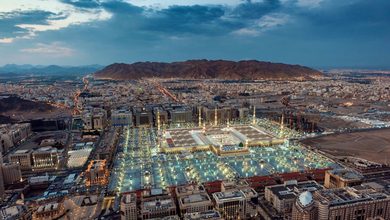
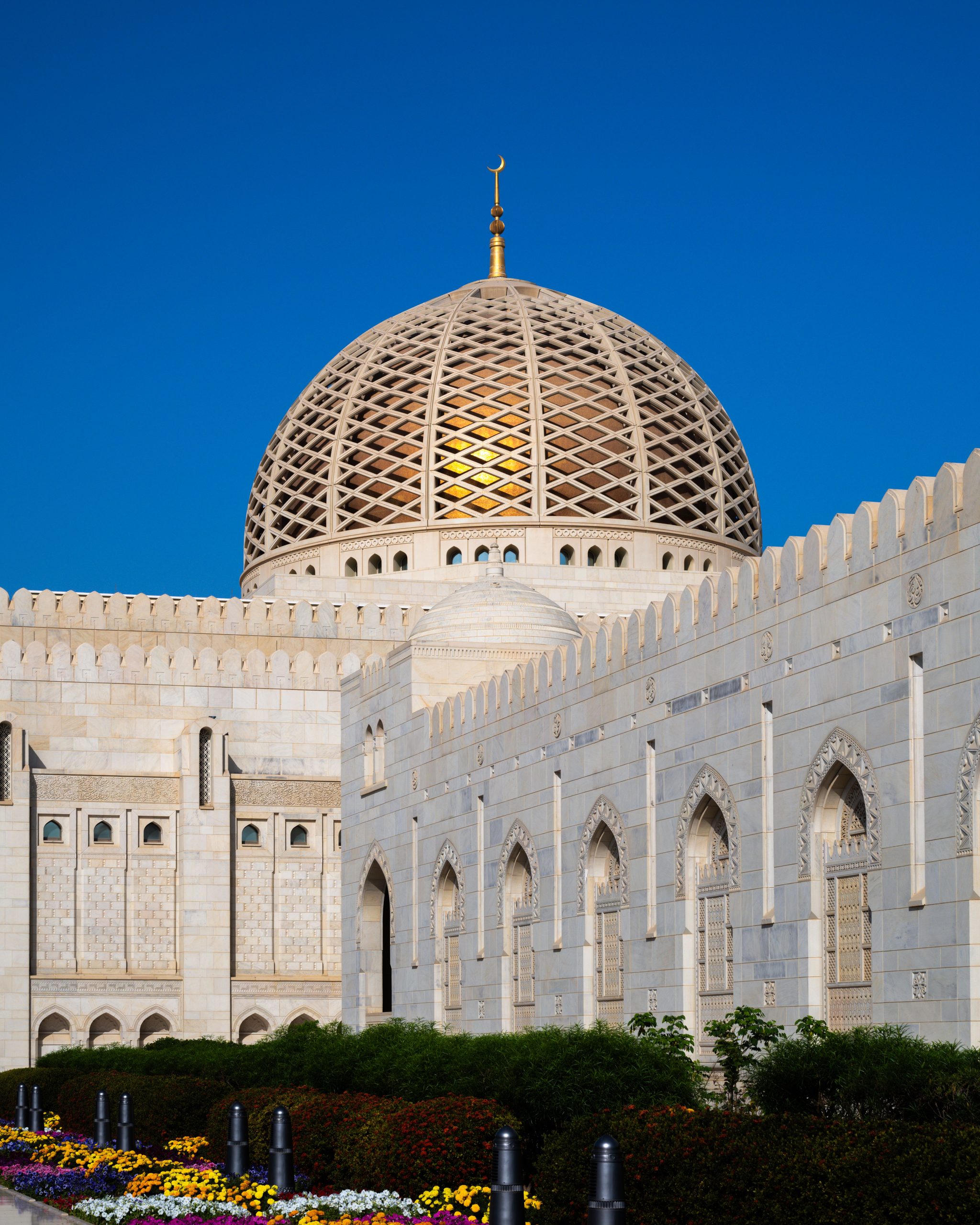

Oman offers a quieter, less commercialized alternative to its Gulf neighbors — dramatic mountain wadis, a genuinely traditional old capital, and a southern region that turns lush and green exactly when the rest of the Gulf is at its hottest. This Oman travel guide covers Muscat, the Wahiba Sands desert, and Salalah’s unique monsoon season, along with how to structure a trip across all three.
Why Oman Feels Different From the Rest of the Gulf
Unlike Dubai or Doha’s rapid, ultra-modern development, Oman has deliberately pursued a slower, more traditional approach to tourism, preserving its old forts, souks, and mountain villages rather than building around them. This Oman travel guide reflects that pace — a trip here rewards travelers looking for authenticity and dramatic natural scenery over resort-style luxury and shopping malls, though comfortable, high-quality hotels are still very much part of the picture.
Muscat: 2-3 Days
Oman’s capital blends traditional Omani architecture with a genuinely walkable, low-rise cityscape, unusual for a Gulf capital.
What to see:
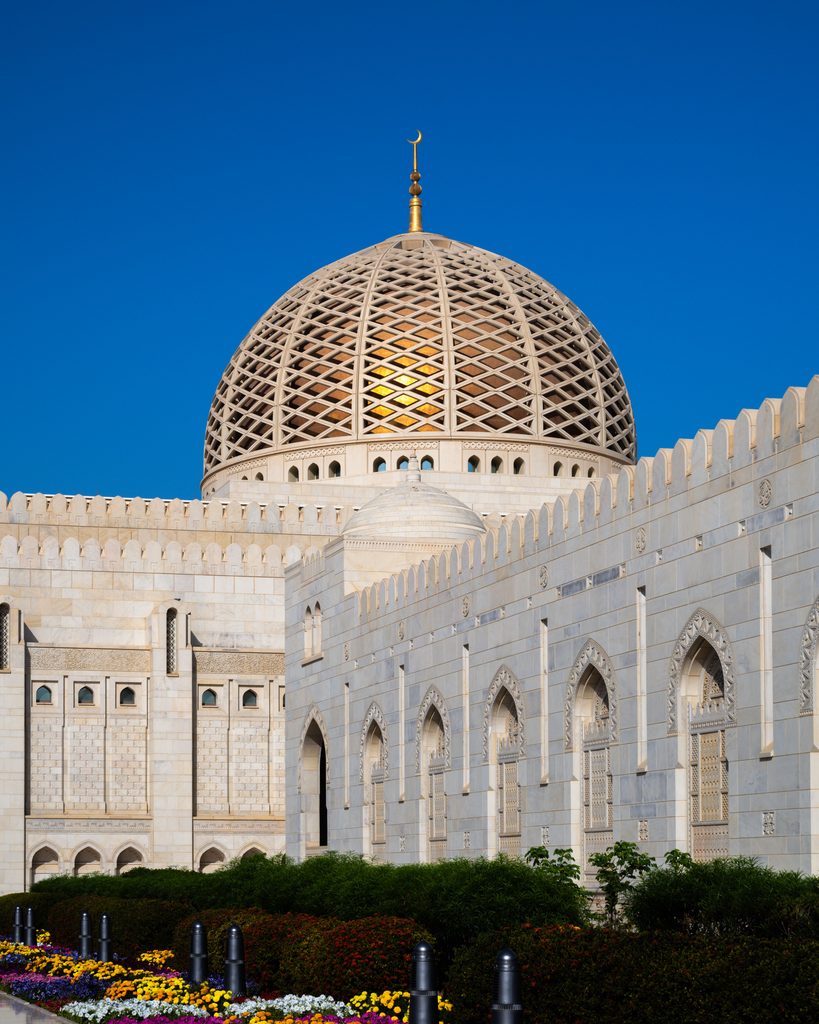
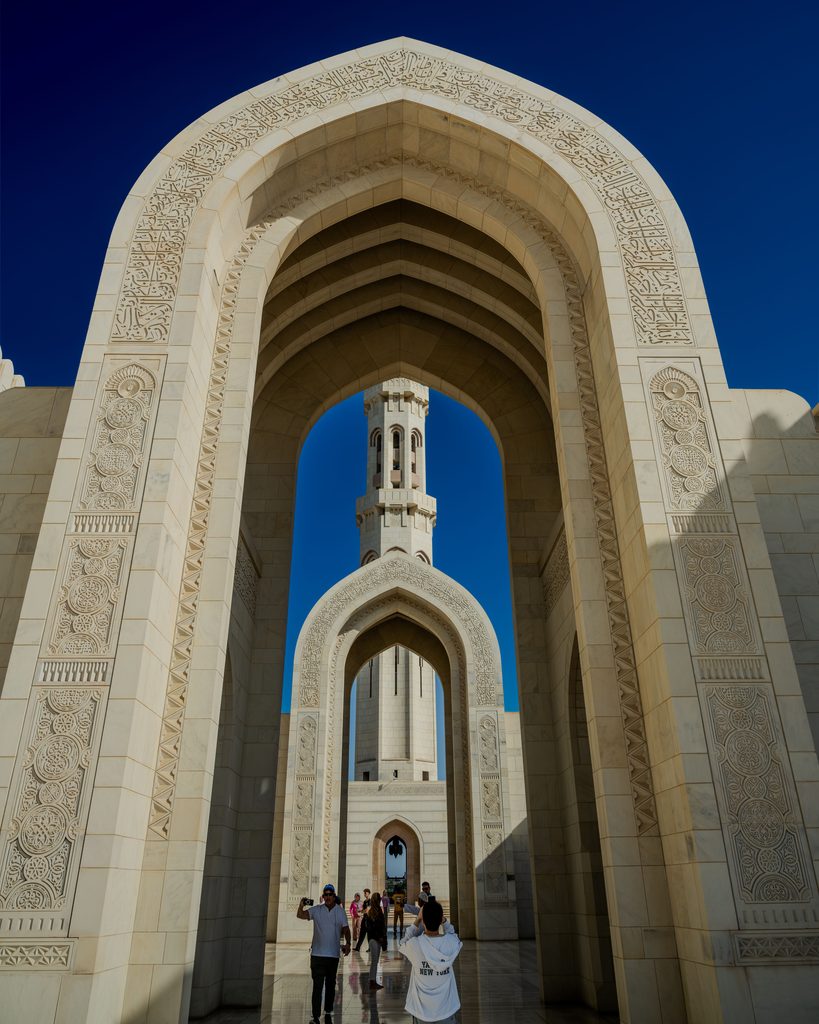
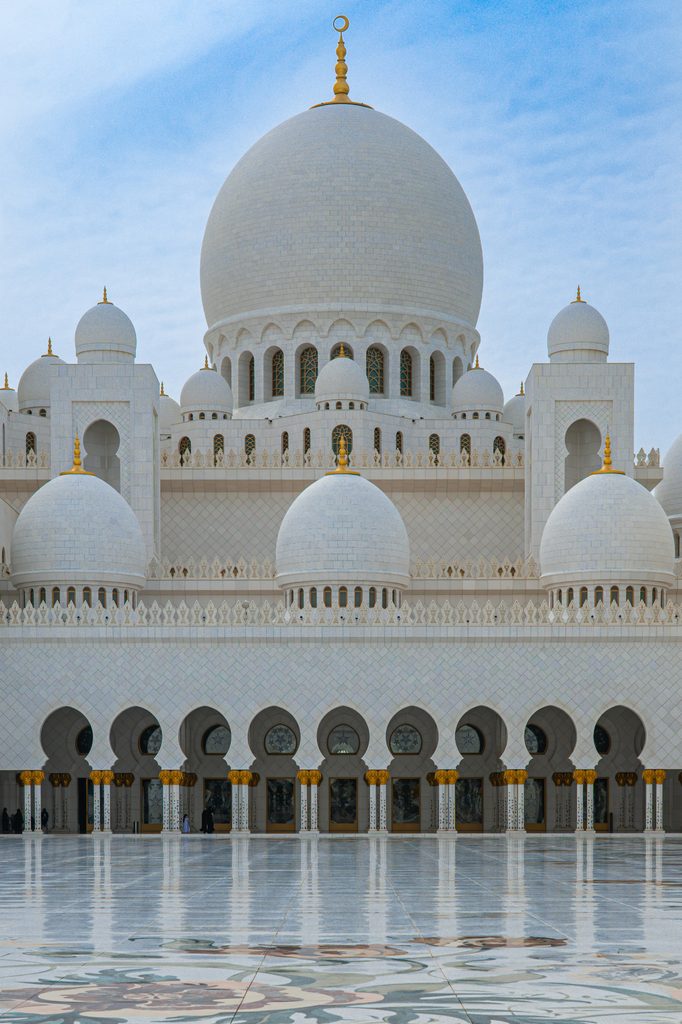
- Sultan Qaboos Grand Mosque — one of the few mosques in the region open to non-Muslim visitors outside prayer times, with an enormous hand-woven carpet and chandelier in its main prayer hall
- Mutrah Souq — one of the oldest marketplaces in the Arab world, known for frankincense, textiles, and silver
- Mutrah Corniche — a scenic waterfront promenade backed by the old town’s traditional buildings
- Royal Opera House Muscat — a striking piece of contemporary Omani architecture, hosting international performances
- Al Jalali and Al Mirani Forts — Portuguese-era fortifications guarding the harbor, best appreciated from the Corniche if interior access is restricted
Two to three days allows a comfortable pace through Muscat’s mix of religious, historical, and modern sites.
Wahiba Sands: 1-2 Days
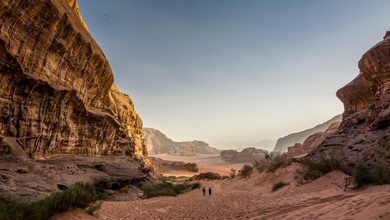
A few hours south of Muscat, the Wahiba Sands (also called Sharqiya Sands) offer classic dune desert scenery and a genuine Bedouin camp experience.
What to do:
- A 4×4 dune drive, typically arranged through a desert camp, covering the dramatic orange-sand dune fields
- An overnight stay in a desert camp, offering stargazing far from city light pollution
- A camel ride or sandboarding, both commonly offered add-ons at most camps
One night is the standard stay, similar to Jordan’s Wadi Rum, and most visitors consider it a highlight of the trip.
Nizwa and the Interior: 1 Day
A worthwhile detour from Muscat, Nizwa was once Oman’s capital and remains a center of traditional craft and history.
What to see:
- Nizwa Fort — one of Oman’s most visited historical sites, with a distinctive circular tower and sweeping views over the surrounding oasis
- Nizwa Souq — particularly lively on Friday mornings, known for its livestock market alongside traditional silver and pottery
- Jebel Akhdar (“Green Mountain”) — a short drive further into the Hajar Mountains, offering cooler temperatures, terraced fruit orchards, and dramatic canyon views
A day trip from Muscat covers Nizwa comfortably, or an overnight stay allows time to also explore Jebel Akhdar.
Salalah: 2-3 Days
Salalah, in Oman’s far south, offers one of the region’s most unusual travel experiences: the khareef (monsoon) season, roughly from June through September, when the area transforms into a lush, misty landscape while the rest of the Gulf bakes in extreme heat.
What to see:
- Al Mughsail Beach — dramatic coastal cliffs and blowholes, particularly striking during khareef season’s rougher seas
- Wadi Darbat — a valley with waterfalls and a lake that swells dramatically during the monsoon season
- The frankincense trees and Al-Baleed Archaeological Park — reflecting Salalah’s historic role in the frankincense trade, a UNESCO World Heritage Site
- Salalah’s souqs — particularly known for frankincense, a product deeply tied to the region’s identity and history
Two to three days allows time to properly experience Salalah’s unique landscape, particularly valuable if timed for khareef season.
Suggested 8-Day Itinerary
| Days | Location | Focus |
|---|---|---|
| 1-3 | Muscat | Grand Mosque, Mutrah Souq, forts |
| 4 | Nizwa | Fort, souq, Jebel Akhdar |
| 5-6 | Wahiba Sands | Desert camp, dune drive |
| 7-8 | Salalah | Flight from Muscat, monsoon scenery or coast |
Salalah sits far enough from Muscat that most itineraries treat it as a separate flight rather than a road connection, given the considerable driving distance between the two.
Getting Around
- Renting a car is a popular and practical way to explore Muscat, Nizwa, and the Wahiba Sands, since Oman’s roads are generally well maintained.
- Domestic flights connect Muscat and Salalah in around 1.5 hours, by far the more practical option than the roughly 10-hour drive between them.
- Desert camps typically arrange transport from Muscat as part of an overnight package, removing the need for independent 4×4 driving experience in the dunes themselves.
When to Go
October to April is the best window for Muscat, Nizwa, and the Wahiba Sands, avoiding the intense summer heat that regularly pushes temperatures above 40°C (104°F) in the interior. Salalah flips this pattern — the khareef season from roughly June to September brings the region’s most distinctive, lush scenery, making this genuinely the best time to visit Salalah specifically, even though it’s the worst time for the rest of the country.
Practical Tips
- Most nationalities can obtain an e-visa in advance, a straightforward process worth completing before arrival.
- Dress modestly throughout Oman, including at the Grand Mosque, where specific dress requirements are enforced for all visitors.
- Pack for both desert heat and cool mountain evenings if visiting Jebel Akhdar, where temperatures drop noticeably compared to the coast.
- Book Wahiba Sands desert camps in advance, particularly during the cooler peak season from October through April.
- Consider timing a Salalah visit specifically around khareef season if the monsoon greenery is a priority, since the experience outside those months is a fairly standard dry coastal climate.
Frequently Asked Questions
How many days do you need for a good Oman trip? 8-10 days allows a comfortable pace covering Muscat, the interior, the Wahiba Sands, and Salalah. A shorter 5-6 day trip is workable focusing on just Muscat and the desert.
Is Oman safe for tourists? Yes — Oman is widely considered one of the more stable and welcoming destinations in the region, with a well-established, if lower-key, tourism industry compared to its Gulf neighbors.
What is khareef season and is it worth planning around? Khareef is Salalah’s monsoon season, roughly June through September, transforming the region into a lush, misty landscape unlike anywhere else in the Gulf. It’s genuinely worth planning a Salalah visit around if that unique scenery is a priority.
Do I need a 4×4 to visit the Wahiba Sands? Most visitors arrange a guided desert camp package that includes 4×4 transport and dune driving, rather than attempting independent driving in the soft sand, which requires specific experience and vehicle preparation.
Planning more of your Middle East trip? Check out our best time to visit the Middle East guide, or browse all our Middle East travel guides for more.