
Thailand has been a gateway into Southeast Asia for travelers for decades, and it’s easy to see why it remains a favorite: a genuinely varied geography (temples, mountains, jungle, beaches), a well-developed tourism infrastructure, and food that’s reason enough on its own to visit. This Thailand itinerary covers the country’s three signature regions — Bangkok, Chiang Mai, and the southern islands — along with how long to spend in each and how to move between them.
Why This Three-Part Structure Works
Thailand splits naturally into a capital city stop, a northern mountain and culture stop, and a southern beach stop, and most first-time visitors build their trip around some version of this loop. It gives a Thailand itinerary genuine variety without requiring the kind of long-haul travel days that a bigger multi-country Southeast Asia trip involves.
Bangkok: 2-3 Days
Bangkok is the natural starting point for most international arrivals, and it rewards even a short stay.
What to see:
- The Grand Palace and Wat Phra Kaew — Thailand’s most important religious site, home to the Emerald Buddha
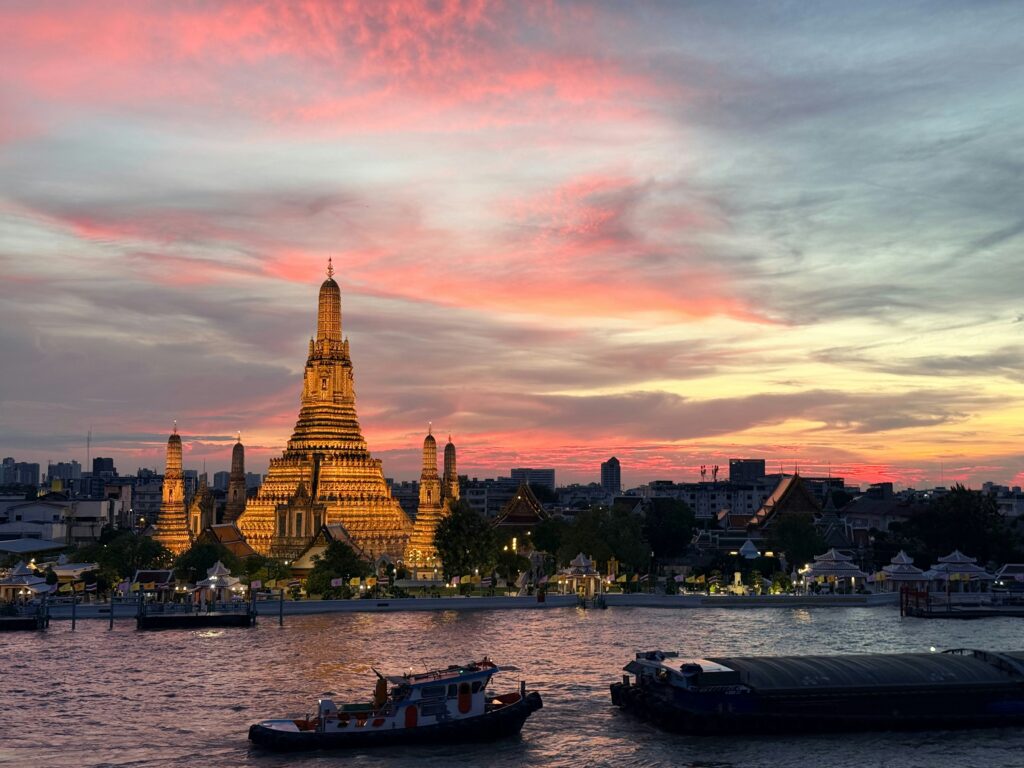
- Wat Arun (Temple of Dawn) — best viewed from across the river at sunset
- Chatuchak Weekend Market — one of the largest markets in the world, worth a half-day if your dates align with a weekend
- Chinatown (Yaowarat) — an excellent street food crawl, especially in the evening
- A river or khlong (canal) boat trip — a different, quieter perspective on the city away from the traffic
Bangkok’s heat and pace can be intense for a first day or two, so many travelers ease into the trip here before heading north or south.
Chiang Mai and the North: 3-4 Days
An overnight train, bus, or short flight brings you north to Chiang Mai, a favorite for its old city temples, cooler climate, and more relaxed pace than Bangkok.
What to see:
- Old City temples — Wat Phra Singh and Wat Chedi Luang are the standouts within the old city walls
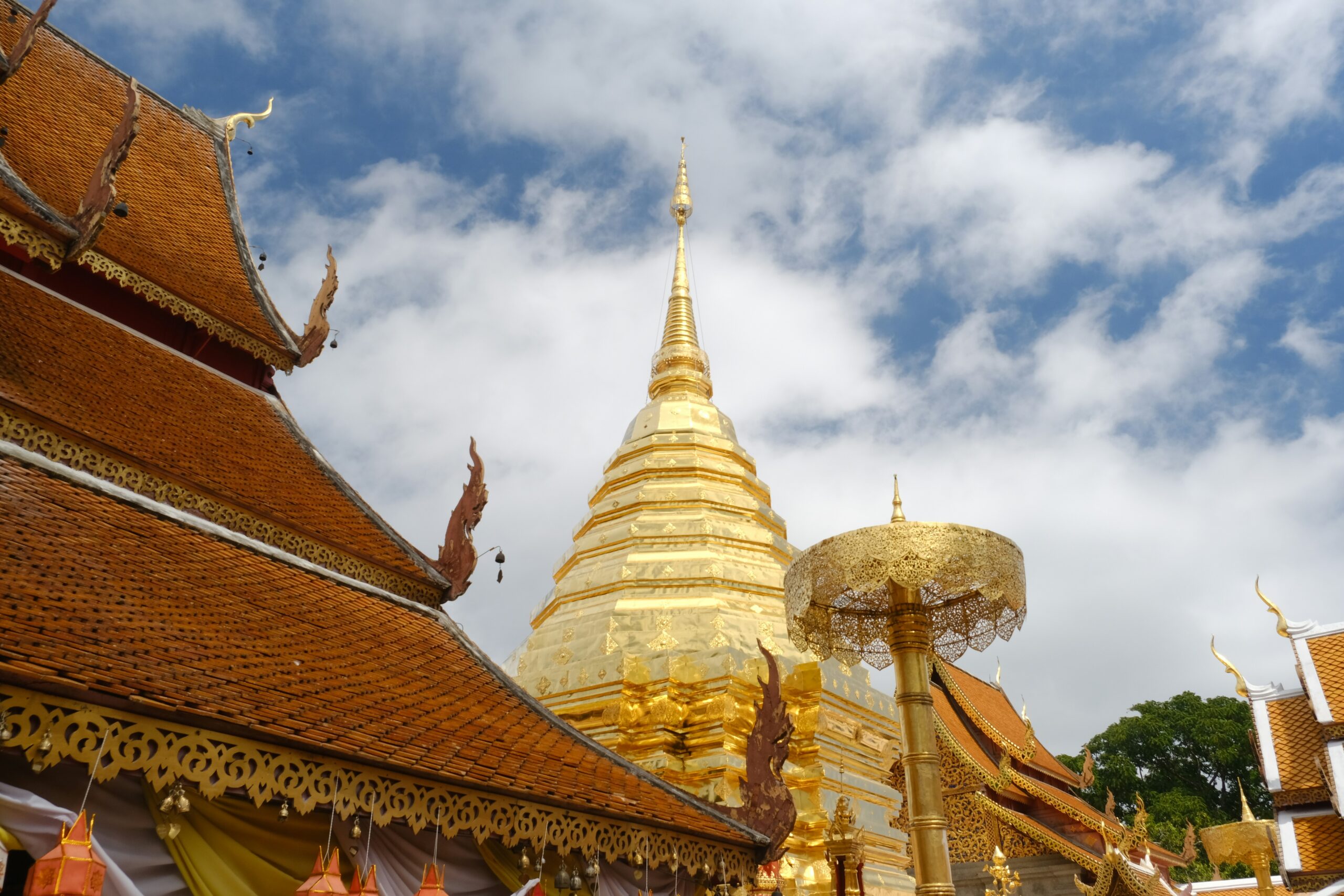
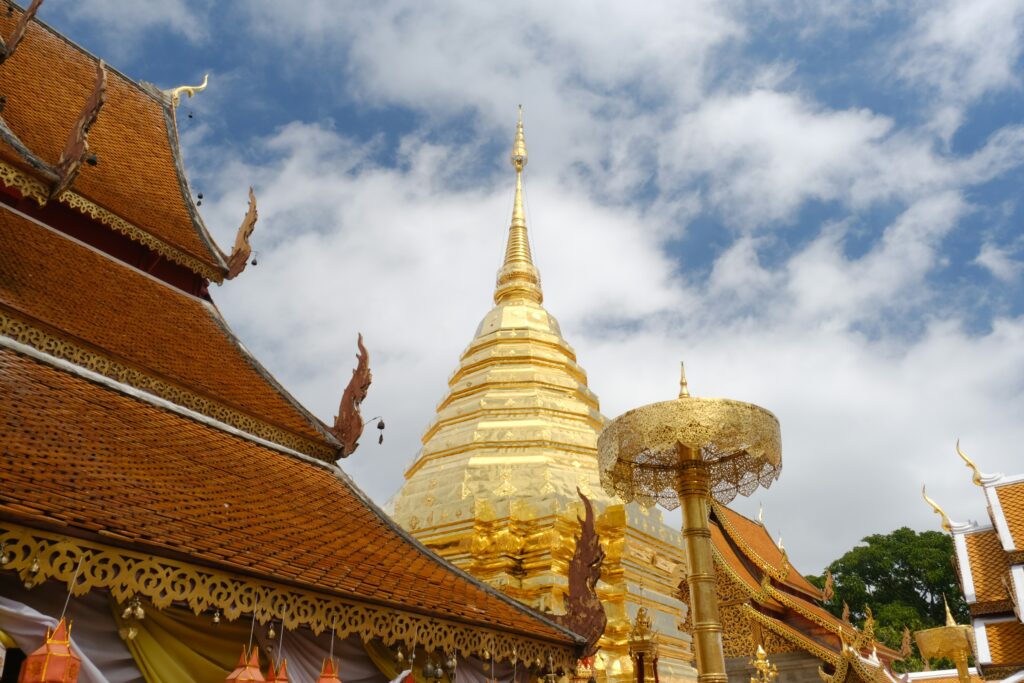
- Doi Suthep — a mountaintop temple with sweeping views over the city, reachable by a short songthaew ride
- Night markets — the Sunday Walking Street and Saturday Night Market both offer excellent food and local crafts
- Ethical elephant sanctuaries — a popular add-on, but worth researching carefully; look for sanctuaries that prohibit riding and focus on observation and feeding rather than performance-based interaction
Chiang Rai (optional day trip): A few hours further north, Chiang Rai’s striking White Temple (Wat Rong Khun) and Blue Temple make for a worthwhile day trip if time allows.
The Southern Islands: 5-7 Days
This is usually the part of a Thailand itinerary travelers most look forward to, and the south offers two distinct coasts worth knowing about before booking.
Andaman Coast (Phuket, Krabi, Koh Phi Phi): Dramatic limestone cliffs, some of the country’s best diving and snorkeling, and a well-developed tourist infrastructure. Krabi’s Railay Beach, accessible only by boat, is a particular highlight for its cliffside setting.
Gulf Coast (Koh Samui, Koh Phangan, Koh Tao): A slightly different vibe — Koh Samui offers more resort-style comfort, Koh Phangan is known for its Full Moon Party scene (and equally for quieter beaches away from it), and Koh Tao is considered one of the best and most affordable places in the world to get PADI diving certified.
Most travelers pick one coast rather than trying to combine both, since ferry connections between the Andaman and Gulf sides are limited and time-consuming.
Suggested 14-Day Itinerary
| Days | Location | Focus |
|---|---|---|
| 1-3 | Bangkok | Temples, markets, food |
| 4 | Travel day | Bangkok → Chiang Mai |
| 5-8 | Chiang Mai | Old city, Doi Suthep, sanctuaries |
| 9 | Travel day | Chiang Mai → islands |
| 10-14 | Islands (Andaman or Gulf) | Beaches, diving, relaxation |
Travelers with more time often extend the island portion or add a stop in Krabi and Koh Phi Phi together, given their proximity.
Getting Around
- Bangkok to Chiang Mai: A one-hour flight is the fastest option; an overnight sleeper train is a genuine experience in itself and popular with backpackers, taking around 12-13 hours.
- Bangkok to the islands: Direct flights connect Bangkok to Phuket, Krabi, and Koh Samui; reaching smaller islands like Koh Phi Phi or Koh Tao typically involves a flight to a nearby hub followed by a ferry.
- Within Chiang Mai and island destinations: Songthaews (shared pickup trucks), tuk-tuks, and scooter rentals are the most common ways to get around locally — scooter rental is popular but comes with real safety considerations worth taking seriously.
When to Go
November to February is the most popular window for this Thailand itinerary — cooler, drier weather across the whole country, and the safest bet for both temple sightseeing and island time. March to May brings intense heat, particularly uncomfortable in Bangkok and the north. June to October is the wet season — rain tends to arrive in short, heavy bursts rather than all-day downpours, and this period offers noticeably lower prices and fewer crowds, particularly appealing for budget-conscious travelers willing to trade some sunshine for savings.
One regional wrinkle worth knowing: the Gulf Coast islands (Koh Samui, Koh Phangan, Koh Tao) see their wettest months around October–December, slightly out of sync with the rest of the country, so checking coast-specific forecasts is worth the extra step if your trip leans heavily toward one side.
Practical Tips
- Thailand is visa-free for many nationalities for tourism stays, though checking current requirements for your specific passport before booking is always worth doing.
- Dress modestly for temples — shoulders and knees covered is the standard expectation, and some sites provide wraps for visitors who arrive underdressed.
- Negotiate tuk-tuk and taxi fares before getting in, or insist on the meter where available, particularly in Bangkok and Phuket.
- Book Full Moon Party accommodation on Koh Phangan well ahead if that’s part of your plan — prices spike and availability disappears fast around the event dates.
- Carry cash for markets and smaller vendors, though cards are increasingly accepted in cities and resort areas.
Frequently Asked Questions
How many days do you need for a good Thailand itinerary? 12-14 days works well for the core Bangkok, Chiang Mai, and islands loop covered here. A shorter 7-10 day trip is workable if you focus on just two of the three regions.
Should I visit the Andaman Coast or the Gulf Coast? The Andaman side (Phuket, Krabi, Koh Phi Phi) tends to have more dramatic scenery and stronger infrastructure; the Gulf side (Koh Samui, Koh Phangan, Koh Tao) is generally better value and popular with divers and backpackers. Neither is a wrong choice — it depends on what you’re looking for.
Is it safe to rent a scooter in Thailand? It’s common and often the most convenient way to get around smaller destinations, but it comes with real risk — road conditions and driving norms differ from many visitors’ home countries, and travel insurance policies sometimes exclude scooter accidents without a proper motorcycle license. Wearing a helmet and driving cautiously matters more here than convenience.
Is Thailand good for a first-time visit to Southeast Asia? Yes — it’s often recommended as an entry point specifically because of its well-developed tourist infrastructure, wide range of budget options, and relatively easy logistics compared to some neighboring countries.
Planning more of your Asia trip? Check out our Southeast Asia backpacking itinerary or best time to visit Asia guide, and browse all our Asia travel guides for more.