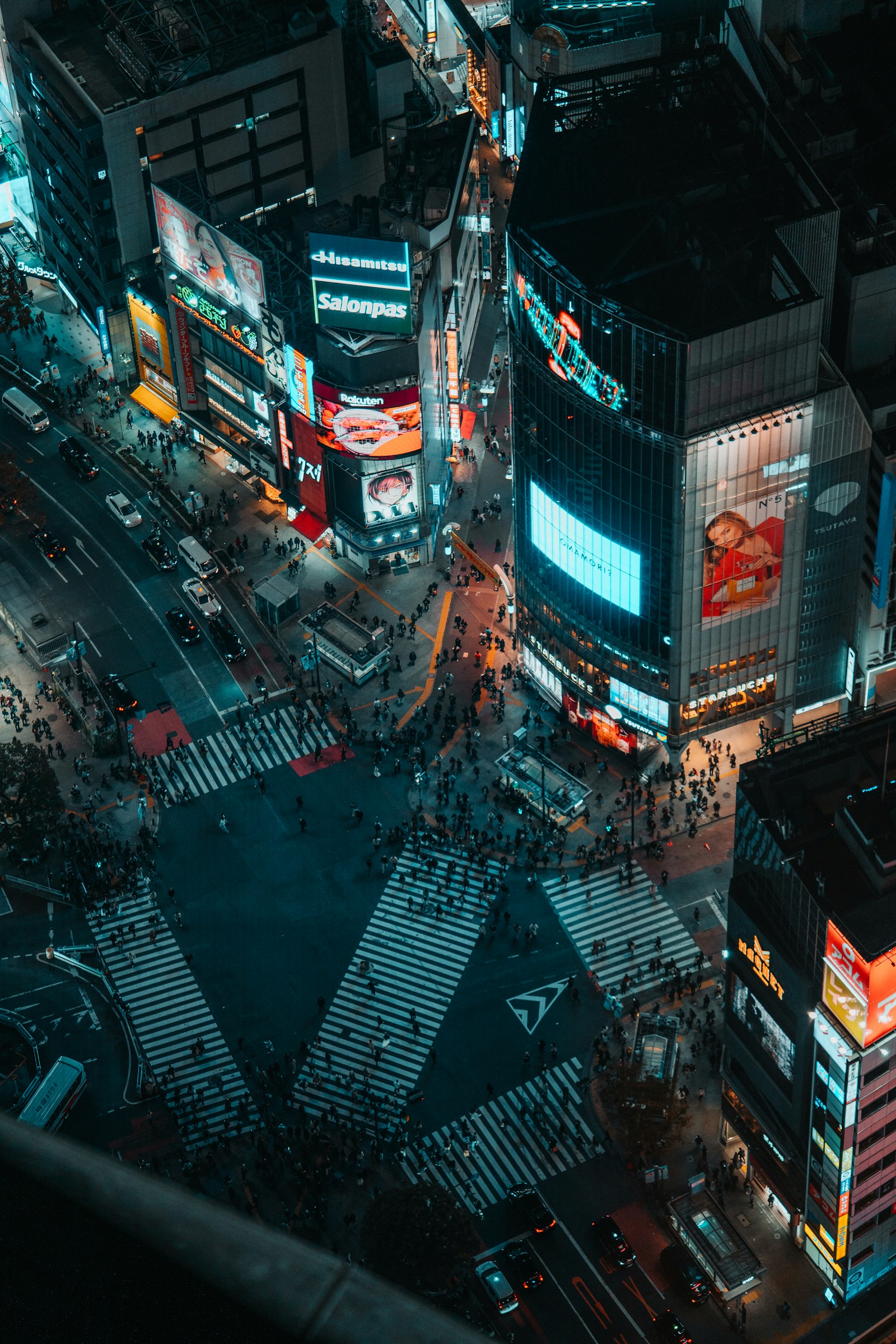


Japan manages a rare balance: it’s one of the most technologically advanced countries on earth and, at the same time, one of the most deeply traditional. A single trip can move from Tokyo’s neon-lit crossings to a centuries-old Kyoto temple garden in under three hours by train. This Japan travel guide covers the country’s essential circuit — Tokyo, Kyoto, and the logistics that tie them together — along with when to go for cherry blossoms, autumn foliage, or simply the best weather.
Why Japan Rewards Careful Planning
Japan isn’t a difficult country to visit — public transport is famously punctual, signage is increasingly bilingual, and the culture of hospitality (omotenashi) means visitors are generally well looked after. But it does reward planning more than some destinations: popular restaurants require reservations, the best cherry blossom viewing spots get crowded fast, and the rail pass system works best when booked with an itinerary already roughly in mind.
Tokyo: Where Most Trips Begin
Tokyo is enormous, but its neighborhoods each have a distinct character, which makes exploring it feel less overwhelming than the raw size suggests.
What to see:
- Shibuya and Shinjuku — the crossing, the neon, and some of the city’s best nightlife and department store shopping
- Asakusa — home to Senso-ji, Tokyo’s oldest temple, and a good dose of old-Tokyo atmosphere
- Akihabara — the center of anime, manga, and electronics culture
- Tsukiji Outer Market — the original fish market area, still packed with excellent seafood breakfast spots even though the wholesale auction moved to Toyosu
- teamLab Planets or teamLab Borderless — immersive digital art installations that have become a modern Tokyo must-see
Three to four days gives a solid first impression of Tokyo without trying to see everything.
A Day Trip from Tokyo: Nikko or Hakone
Most Japan travel guides recommend at least one day trip outside Tokyo, and two options stand out. Nikko, about two hours north, is home to elaborately decorated shrines set among cedar forests. Hakone, roughly ninety minutes southwest, offers hot springs (onsen), a scenic lake, and — on a clear day — views of Mount Fuji.
Kyoto: Japan’s Cultural Heart
Kyoto was Japan’s imperial capital for over a thousand years, and it shows — this is where the country’s temple density and traditional atmosphere are at their strongest.
What to see:
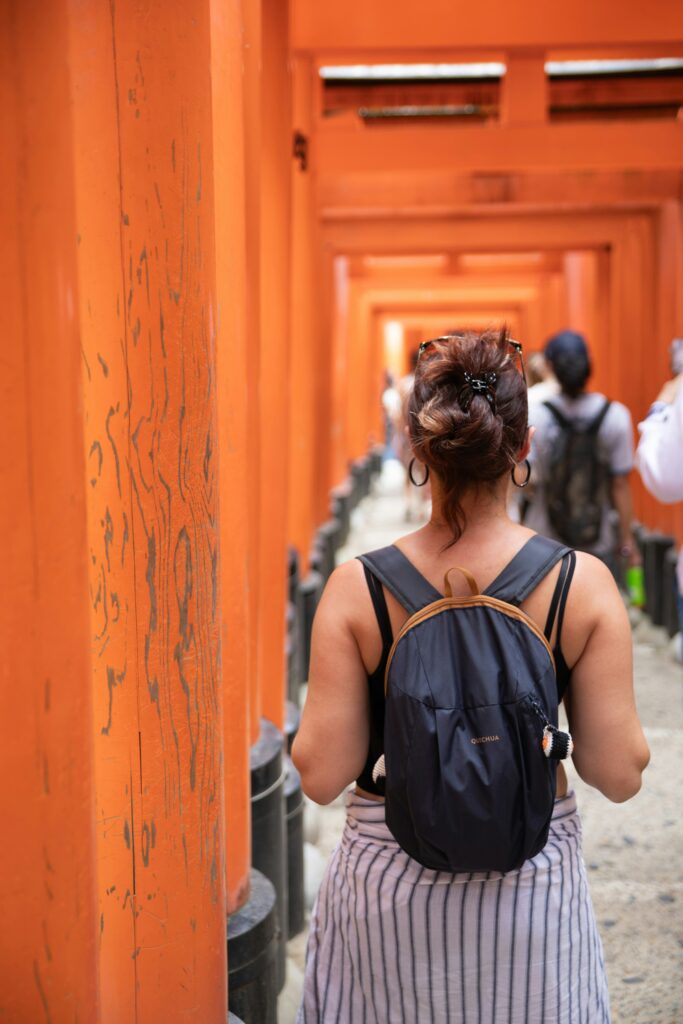
- Fushimi Inari Taisha — the shrine famous for its thousands of vermillion torii gates climbing the mountainside
- Kinkaku-ji (the Golden Pavilion) — one of the most photographed buildings in Japan, especially reflected in its surrounding pond
- Arashiyama Bamboo Grove — a short walk through towering bamboo, best visited early morning before the crowds arrive
- Gion district — Kyoto’s historic geisha quarter, atmospheric for an evening stroll
- Kiyomizu-dera — a wooden temple built on a hillside, with sweeping views over the city
Three to four days is a reasonable amount of time for Kyoto, particularly if you add a short trip to nearby Nara to see its famous free-roaming deer and the Todai-ji temple’s giant bronze Buddha.
Getting Around: The Rail System
Japan’s rail network is one of the best in the world, and the Shinkansen (bullet train) connects Tokyo and Kyoto in about two and a half hours. For visitors covering multiple cities, the Japan Rail Pass can offer significant savings, though it’s worth calculating whether your specific itinerary makes it worthwhile compared to buying individual tickets — the pass works best for itineraries with several long-distance train legs.
Within cities, subway and local rail systems are extensive, punctual, and generally easy to navigate with a rechargeable IC card (Suica or Pasmo), which also works for convenience store purchases and vending machines.
Suggested 10-Day Itinerary
| Days | Location | Focus |
|---|---|---|
| 1-4 | Tokyo | Shibuya, Asakusa, Akihabara, teamLab |
| 5 | Hakone or Nikko | Day trip |
| 6-9 | Kyoto | Temples, Arashiyama, Nara day trip |
| 10 | Osaka (optional) | Food, Osaka Castle, departure |
Travelers with more time often add Osaka (famous for its street food scene) or Hiroshima and Miyajima Island for a deeper historical dimension to the trip.
When to Visit: Cherry Blossoms, Foliage, and Beyond
Timing is one of the most talked-about parts of any Japan travel guide, and for good reason — the country’s seasons genuinely transform the experience.
- Late March to early April (cherry blossoms): The most iconic and most crowded season. Exact bloom dates shift year to year, so checking forecasts a few weeks ahead of travel is worth the effort. Book accommodation well in advance for this window.
- October to November (autumn foliage): A quieter, equally beautiful alternative, particularly in Kyoto, where temple gardens turn brilliant shades of red and gold.
- June to mid-July (tsuyu, the rainy season): Humid with frequent rain, generally the least popular time to visit, though hydrangeas bloom throughout the country.
- August: Hot and humid, but also peak summer festival (matsuri) season, with fireworks displays and street festivals throughout the country.
- December to February: Cold, especially in the north, but also the best window for skiing in Hokkaido and Nagano, and a quieter time to see Kyoto’s temples without the peak-season crowds.
Practical Tips
- Carry cash. Japan is more cash-based than many visitors expect, particularly at smaller restaurants, temples, and rural areas, despite its high-tech reputation.
- Book popular restaurants in advance, especially in Tokyo — some of the best-known spots require reservations weeks ahead.
- Learn a few basic phrases. English signage has expanded significantly, especially around transport, but a little Japanese goes a long way in smaller establishments.
- Respect onsen etiquette — wash thoroughly before entering a hot spring, and check policies on tattoos, which some traditional onsen still restrict.
- Consider a portable Wi-Fi device or SIM card for navigation and translation apps, both of which make independent travel considerably easier.
Frequently Asked Questions
How many days do you need for a good Japan trip? 10-14 days allows a comfortable pace covering Tokyo, Kyoto, and at least one additional stop like Osaka, Hiroshima, or a day trip destination, without feeling rushed.
Is the Japan Rail Pass worth it? It depends on your itinerary — for trips covering multiple distant cities (Tokyo, Kyoto, Hiroshima, for example), it often saves money. For a trip focused mainly on Tokyo and Kyoto with limited additional travel, calculating individual ticket costs first is worth doing before purchasing.
When exactly do cherry blossoms bloom in Japan? Typically late March to early April in Tokyo and Kyoto, though this shifts year to year and varies by region — southern Japan blooms earlier, northern Japan later. Official forecasts are usually published a few weeks in advance.
Is Japan an expensive destination? It can be, particularly accommodation in Tokyo and Kyoto during peak season, but Japan also offers excellent budget options — convenience store food, business hotels, and affordable train travel with advance planning — making it workable across a range of budgets.
Planning more of your Asia trip? Check out our best time to visit Asia guide, or browse all our Asia travel guides for more.